

Table of Contents
Zinc Benefits for Men and Women: The Essential Nutrient You’re Missing
Introduction: The Hidden Power of Zinc
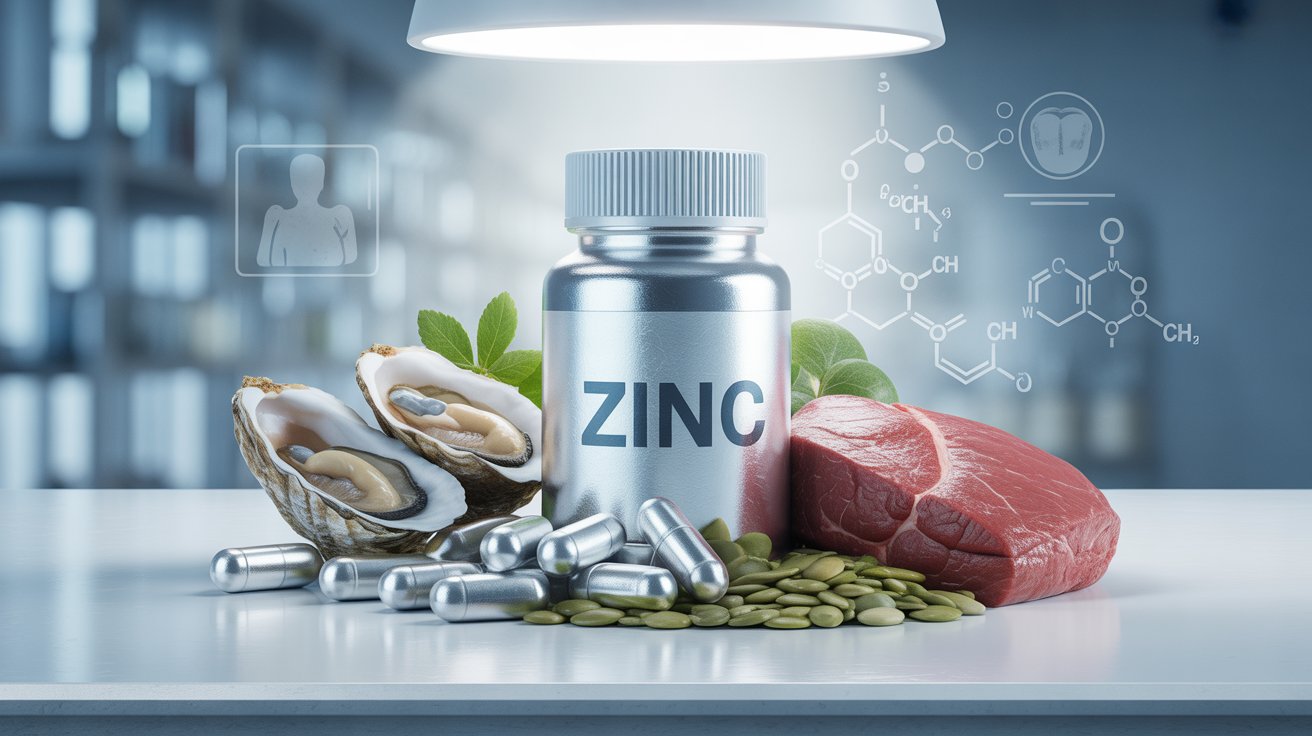
Let’s be honest—zinc doesn’t get the attention it deserves. While we often hear about vitamins like C and D, zinc quietly plays a massive role in nearly every process inside your body. This small but mighty mineral supports your immune system, brain, hormones, and even how your skin looks and feels. Yet, many people around the world are missing out on adequate zinc intake without even realizing it.
Think of zinc as your body’s personal “repair and upkeep team. It’s constantly working behind the scenes—repairing cells, healing wounds, regulating hormones, and keeping your energy levels steady. Whether you’re a man looking to boost testosterone or a woman aiming for radiant skin and hormonal balance, zinc is essential for both.
In this article, we’ll uncover the science-backed benefits of zinc for men and women, how to recognize deficiency signs, the best food sources, and how to ensure you’re getting enough of this crucial nutrient daily. By the end, you’ll know why zinc truly deserves a top spot in your nutritional routine.
What Is Zinc and Why Is It Essential?
Zinc is a trace mineral, meaning your body only needs small amounts—but those tiny quantities have a huge impact. It’s involved in over 300 enzymatic reactions that influence everything from metabolism to immune function. Think of zinc as the spark plug that keeps your body’s engine running smoothly.
Your body doesn’t naturally produce or store zinc, which means you need to get it daily through food or supplements. Without enough zinc, your body struggles with essential functions like DNA synthesis, protein production, and cell division. Simply put, zinc keeps your cells growing, healing, and functioning at their best. These zinc benefits for men and women help improve energy and mood.
From a nutritional standpoint, zinc is classified as an “essential nutrient” because it plays a vital role in development, immunity, reproduction, and wound healing. It’s also a potent antioxidant, helping combat free radicals that contribute to aging and chronic diseases.
Many people assume they’re getting enough zinc from their diet, but due to soil depletion and processed foods, zinc deficiency is more common than you might think—especially in vegetarians, older adults, and those with digestive issues. The good news? With the right foods and habits, you can restore healthy zinc levels naturally.
The Role of Zinc in the Human Body
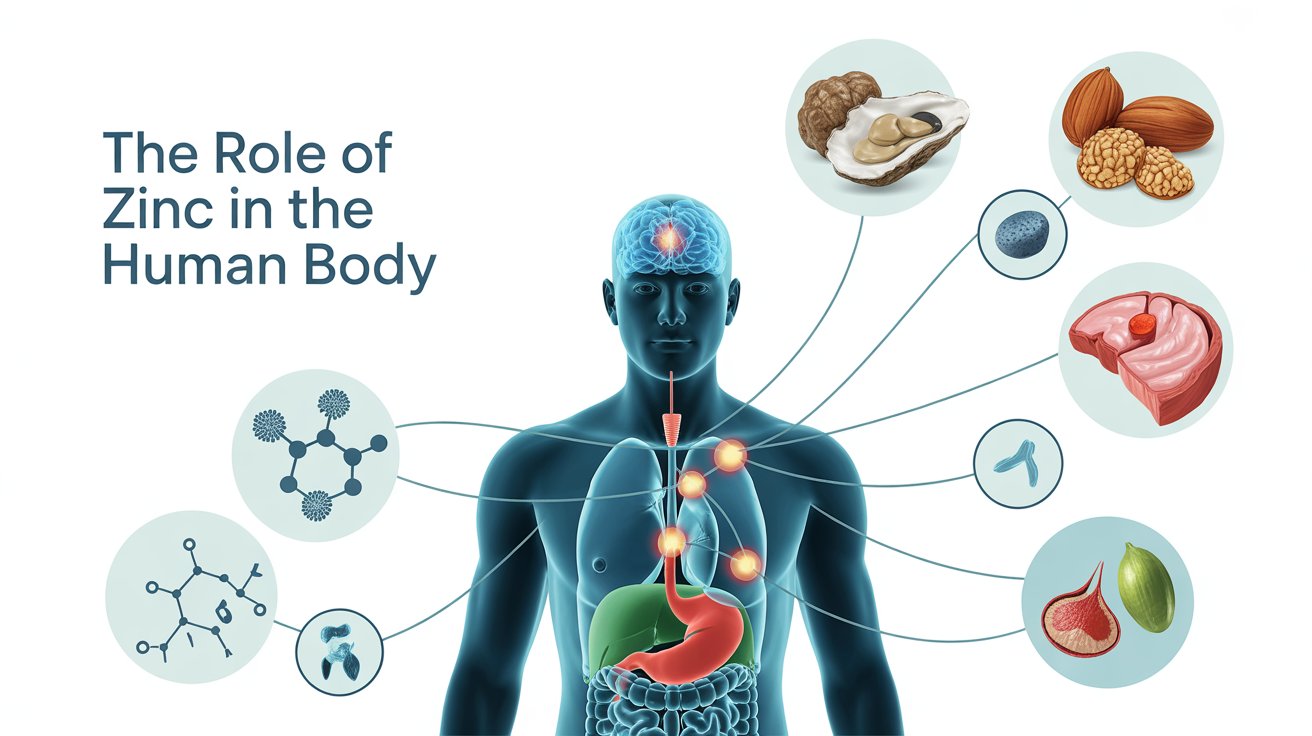
Zinc is like a multitool inside your body—versatile, indispensable, and constantly at work. Every cell depends on it. Here’s a glimpse into the major roles zinc plays:
- Immune Defense: Zinc helps produce and activate T-cells, which are key defenders in your immune system. Without zinc, your ability to fight infections weakens significantly.
- Cell Growth and Repair: It’s essential for tissue development and wound healing. Whether you’ve got a paper cut or a post-workout muscle tear, zinc helps you recover faster.
- Hormonal Regulation: Zinc supports the production of testosterone, estrogen, and progesterone, helping maintain balance and vitality for both men and women.
- Brain and Mood Function: Zinc influences neurotransmitters like dopamine and serotonin—critical for focus, memory, and mood regulation.
- Metabolism and Digestion: It assists in the breakdown of carbohydrates, fats, and proteins, ensuring that you efficiently convert food into usable energy.
Zinc is found in nearly every tissue, but the highest concentrations exist in the muscles, bones, and skin. That’s why its deficiency often shows up as fatigue, poor healing, or skin problems.
Think of zinc as your body’s behind-the-scenes engineer—always fixing, building, and protecting, but rarely getting credit for it.
Zinc Deficiency: A Silent Health Crisis
Zinc deficiency might not make the evening news, but it’s quietly affecting millions worldwide. According to the World Health Organization, about one-third of the global population suffers from inadequate zinc intake. The reasons vary—from poor diet and digestive disorders to lifestyle factors that deplete zinc faster than your body can replace it.
When your body runs low on zinc, it doesn’t scream for help right away. The symptoms can be subtle and easy to overlook. You might feel more tired than usual, catch colds easily, or notice slower wound healing. Over time, though, the impact becomes more pronounced—affecting your immunity, hormones, and even your mood.
People most at risk include vegetarians and vegans, since plant-based zinc is less bioavailable than animal sources. Likewise, pregnant women, athletes, and older adults often need higher zinc intake due to increased physiological demands or reduced absorption. Chronic stress, alcohol use, and certain medications (like diuretics or antacids) can also drain your zinc reserves. That’s why the zinc benefits for men and women are so important for daily health.
Ignoring a zinc deficiency can lead to bigger problems down the line, including infertility, depression, chronic fatigue, and skin conditions like eczema or acne. Thankfully, once identified, zinc deficiency can be corrected quickly through diet and supplementation.
Top Signs You Might Be Zinc Deficient
How do you know if you’re running low on zinc? The symptoms often creep in slowly but can be recognized if you know what to look for. Here are the most common warning signs:
- Frequent colds or infections – If you catch every bug that goes around, your immune system might be struggling due to low zinc.
- Hair loss or thinning – Zinc supports hair follicle health, and a deficiency often results in brittle or falling hair.
- Poor wound healing – Scrapes or cuts that take unusually long to heal can signal a zinc shortage.
- Loss of taste or smell – Zinc is crucial for sensory cells; when it’s low, foods can taste bland or metallic.
- Skin problems – Acne, dermatitis, and dry, flaky patches are telltale signs of low zinc.
- Low libido or fertility issues – Zinc plays a vital role in reproductive health for both men and women.
- Mood swings or brain fog – Zinc is essential for neurotransmitter function, so deficiency can lead to anxiety, depression, or poor concentration.
If several of these sound familiar, it’s worth discussing zinc testing with your healthcare provider. A simple blood test can confirm your levels, and increasing zinc through food or supplements can make a noticeable difference in your energy, immunity, and mood. Many people don’t realize how powerful the zinc benefits for men and women can be for overall wellness.
Zinc Benefits for Men: Boosting Vitality and Strength
When it comes to men’s health, zinc is nothing short of a game changer. It directly impacts strength, stamina, and hormonal balance—three things most men value highly. Let’s dive into why zinc is vital for men’s overall vitality. The zinc benefits for men and women are especially important for those managing stress or frequent fatigue.
Improves Testosterone Levels Naturally
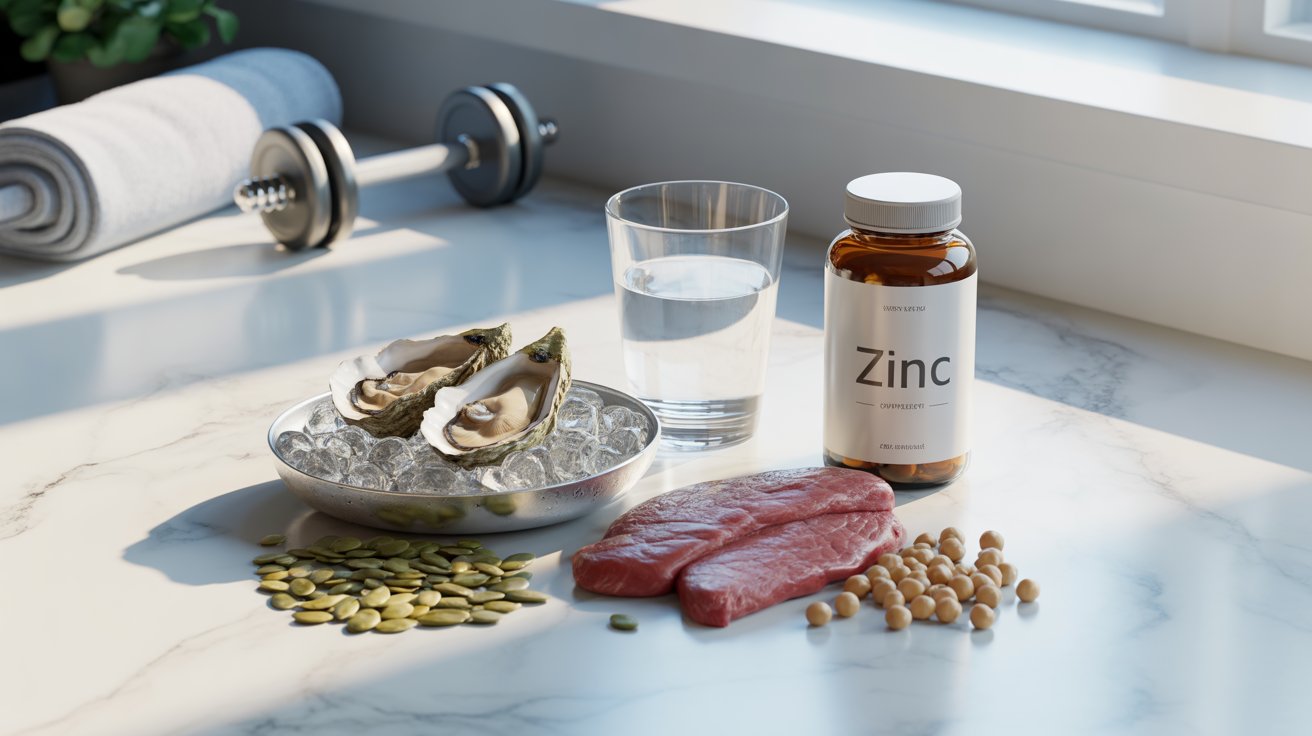
Testosterone isn’t just about muscle—it’s about mood, motivation, and overall well-being. Zinc acts as a natural testosterone booster by supporting the production of luteinizing hormone (LH), which signals the testes to produce testosterone.
Low zinc levels are strongly linked with low testosterone, fatigue, and reduced libido. A study published in Nutrition found that supplementing zinc for six months in zinc-deficient men significantly increased testosterone levels. For men over 40, maintaining optimal zinc intake can help slow age-related testosterone decline naturally. From boosting immunity to improving skin, the zinc benefits for men and women are truly impressive.
Enhances Fertility and Sperm Health
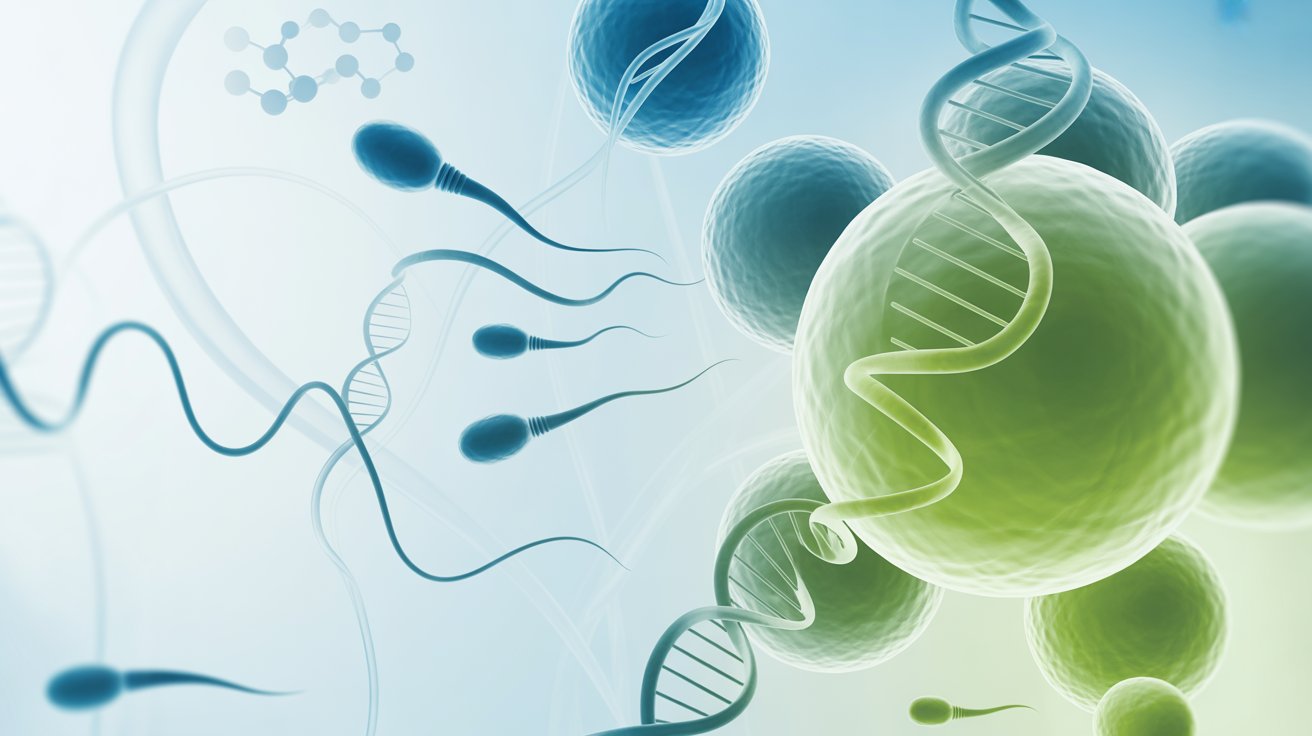
Zinc is a key mineral for male fertility. It not only increases sperm count but also improves sperm motility and morphology—critical factors in conception. Research shows that zinc-deficient men often have lower sperm quality, which can contribute to infertility. Once you understand the zinc benefits for men and women, you’ll start to see why it’s called a ‘super mineral.
Adding zinc-rich foods such as oysters, beef, and pumpkin seeds to your diet can enhance reproductive health and support overall vitality. It’s a simple change that can make a profound difference.
Supports Muscle Growth and Recovery
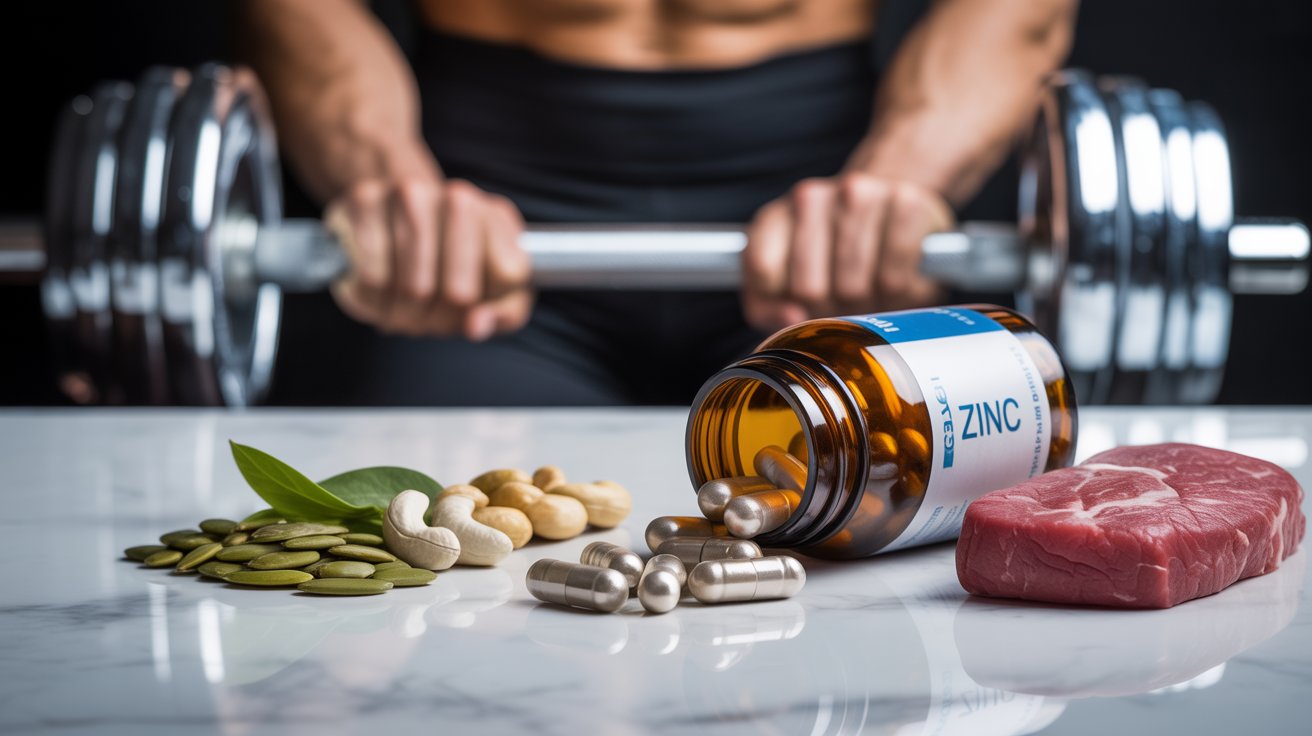
For men who exercise regularly, zinc is a must-have nutrient. It helps repair muscle tissue after workouts, boosts protein synthesis, and improves endurance. Zinc also regulates growth hormone levels, which play a key role in muscle building and fat loss. The zinc benefits for men and women are especially important for those managing stress or frequent fatigue.
In short, whether you’re hitting the gym or simply want to feel stronger and more energetic, zinc can help your body perform at its best—naturally and safely. When it comes to staying healthy, the zinc benefits for men and women simply can’t be ignored.
Zinc Benefits for Women: Hormones, Skin, and More
Supports Hormonal Balance and PMS Relief
Hormonal ups and downs can wreak havoc on mood and energy levels. Zinc helps regulate estrogen and progesterone levels, reducing symptoms of PMS such as cramps, irritability, and bloating. It also supports healthy ovulation and fertility by nourishing the ovaries and reproductive tissues.
Studies show that women who get adequate zinc experience fewer menstrual irregularities and mood swings. Zinc’s anti-inflammatory effects also ease menstrual pain and improve overall comfort during cycles. Many people overlook the zinc benefits for men and women, yet it’s one of the most effective nutrients for overall balance.
Improves Skin Health and Reduces Acne
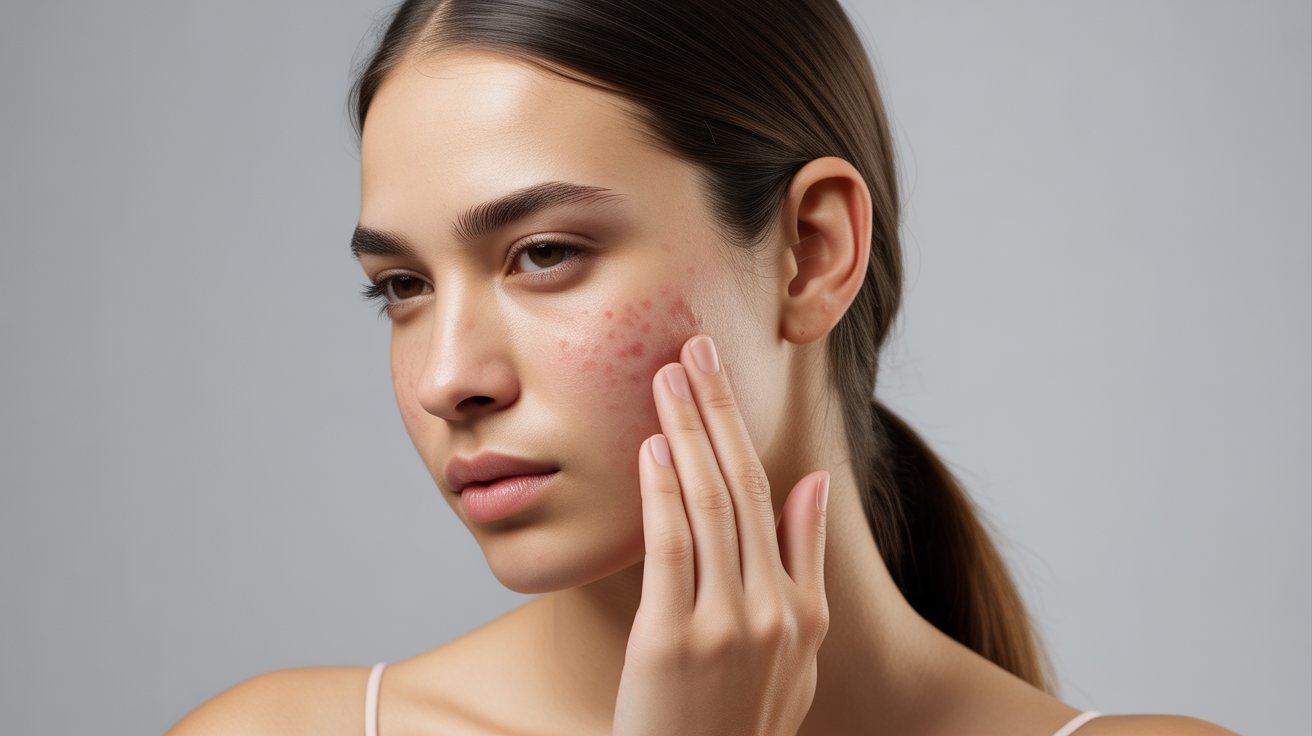
If you’ve tried every skincare product under the sun but still struggle with breakouts, zinc might be the missing ingredient. It helps control oil production, fights acne-causing bacteria, and reduces inflammation. When discussing essential nutrients, the zinc benefits for men and women deserve a top spot on the list.
Zinc is also involved in collagen synthesis, which keeps your skin firm, smooth, and youthful. That’s why many dermatologists recommend zinc supplements or topical zinc for acne-prone or sensitive skin.
Promotes Strong Hair and Nails
Brittle nails and thinning hair are often early signs of zinc deficiency. This mineral strengthens keratin, the protein that forms your hair and nails, promoting faster growth and less breakage. Healthy aging is one of the lesser-known zinc benefits for men and women, helping maintain skin and cell health.
Whether you want longer hair, clearer skin, or more balanced hormones, zinc is a quiet hero that delivers visible, long-term benefits.
When it comes to immunity, zinc is like your body’s personal security system—detecting threats, neutralizing invaders, and speeding up recovery when you’re sick. Without enough zinc, your immune cells simply can’t perform their jobs effectively. Health experts continue to emphasize the zinc benefits for men and women because of its vital role in energy and immunity.
Zinc helps activate T-lymphocytes, the white blood cells that recognize and attack pathogens like bacteria and viruses. It also supports the production of antibodies, ensuring your body remembers how to fight off infections it’s encountered before. In other words, zinc helps you build immunity, not just temporarily defend against illnesses.
People with zinc deficiency are more prone to frequent colds, flu, and infections. Studies show that zinc lozenges can shorten the duration of colds by up to 33%, proving just how vital this mineral is in the body’s first line of defense.
Beyond cold prevention, zinc also plays a role in reducing inflammation and promoting faster recovery from wounds or infections. Whether it’s a mild sore throat or a more serious illness, zinc steps up as your immune system’s secret weapon.
How Zinc Supports Brain Health and Mood
Ever felt mentally foggy or emotionally drained without a clear reason? Zinc could be the missing link. This mineral is essential for brain function, mood stability, and cognitive performance.
Zinc influences neurotransmitters such as serotonin, dopamine, and GABA, all of which regulate mood, motivation, and concentration. Deficiency in zinc has been linked to symptoms of depression, anxiety, and irritability. In fact, several studies have shown that individuals with depression often have lower zinc levels compared to those without mood disorders.
Moreover, zinc helps protect the brain from oxidative stress and inflammation—two major contributors to cognitive decline and neurological diseases like Alzheimer’s. It supports the growth of new neurons and strengthens synaptic connections, improving memory and learning. From hormone balance to mental focus, the zinc benefits for men and women make a lasting impact.
If you’ve been struggling with focus, mood swings, or mental fatigue, incorporating zinc-rich foods or supplements could help clear the mental fog and elevate your emotional well-being.
Zinc’s Role in Wound Healing and Skin Repair

Zinc isn’t just good for your immune system—it’s also your skin’s best friend. It plays a vital role in collagen synthesis, tissue repair, and inflammation control, all of which are critical for wound healing.
When you cut yourself, zinc rushes to the injury site to support cell regeneration and form new tissue. That’s why zinc deficiency often results in slow healing wounds, persistent skin infections, or chronic dryness. The zinc benefits for men and women make it one of the best nutrients for overall vitality and long-term wellness.
Zinc also helps reduce acne inflammation and soothes irritated skin. Topical creams with zinc oxide are commonly used to treat diaper rash, burns, and sun damage because of their calming and protective properties.
Think of zinc as your skin’s internal repair team—working quietly behind the scenes to keep your complexion smooth, even, and resilient. Whether applied topically or consumed through food, zinc is indispensable for clear, youthful skin.
Best Dietary Sources of Zinc
You can get zinc from a wide variety of foods, but not all sources are created equal. Animal-based foods tend to offer more bioavailable zinc, meaning your body can absorb it more easily than plant-based sources. Here’s how to get your daily dose:
Animal-Based Zinc Sources
- Oysters – The ultimate zinc powerhouse. Just six medium oysters can provide up to 500% of your daily zinc benefits.
- Beef and Lamb – Excellent sources of highly absorbable zinc that also provide protein and iron.
- Chicken and Turkey – Lean sources of zinc perfect for everyday meals.
- Eggs and Dairy Products – Offer moderate amounts of zinc while supporting bone and muscle health.
Plant-Based Zinc Sources
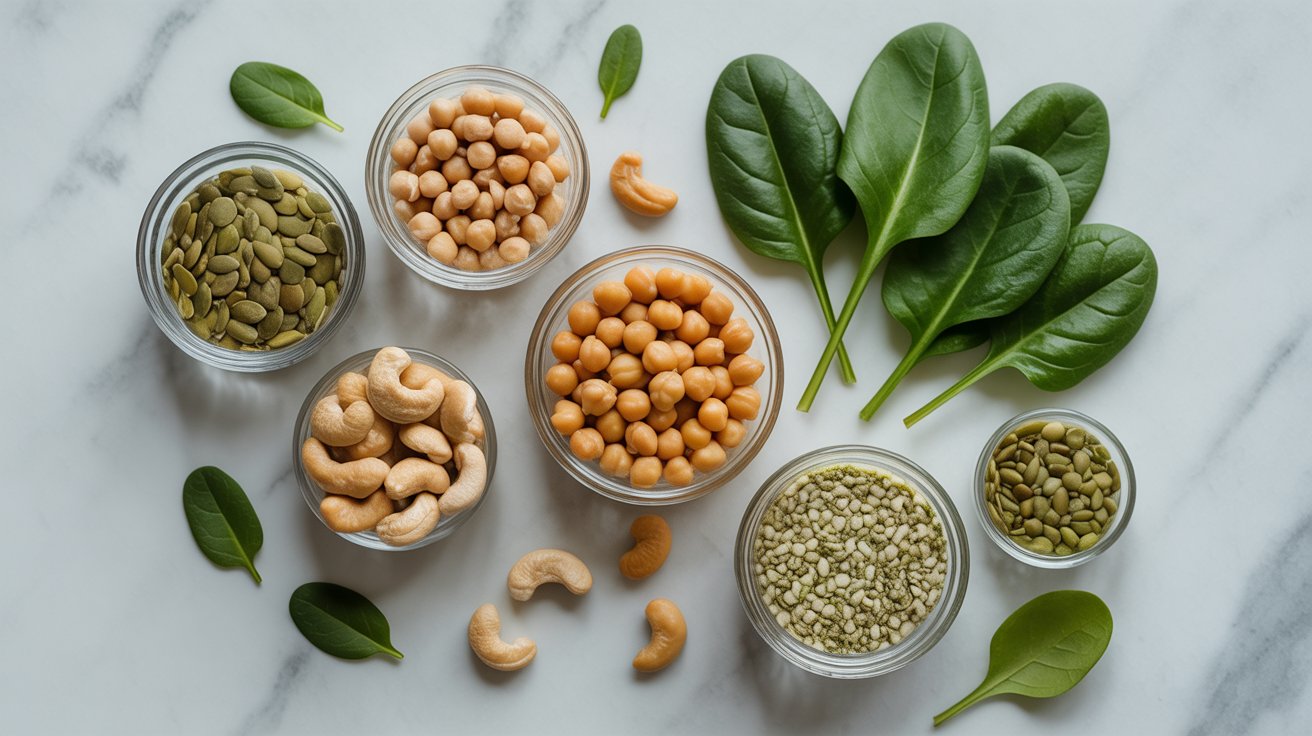
For vegetarians and vegans, getting enough zinc takes a bit more planning because plant compounds called phytates can inhibit absorption. However, there are plenty of excellent options:
- Pumpkin seeds – One of the richest plant-based sources of zinc.
- Lentils and Chickpeas – Great for soups, salads, and stews.
- Cashews and Almonds – Nutritious snacks loaded with zinc and healthy fats.
- Quinoa and Oats – Provide a solid zinc boost when consumed regularly.
Soaking, sprouting, or fermenting plant-based foods can help reduce phytates and improve zinc absorption, especially for those following a vegan diet.
How Much Zinc Do You Need Daily?
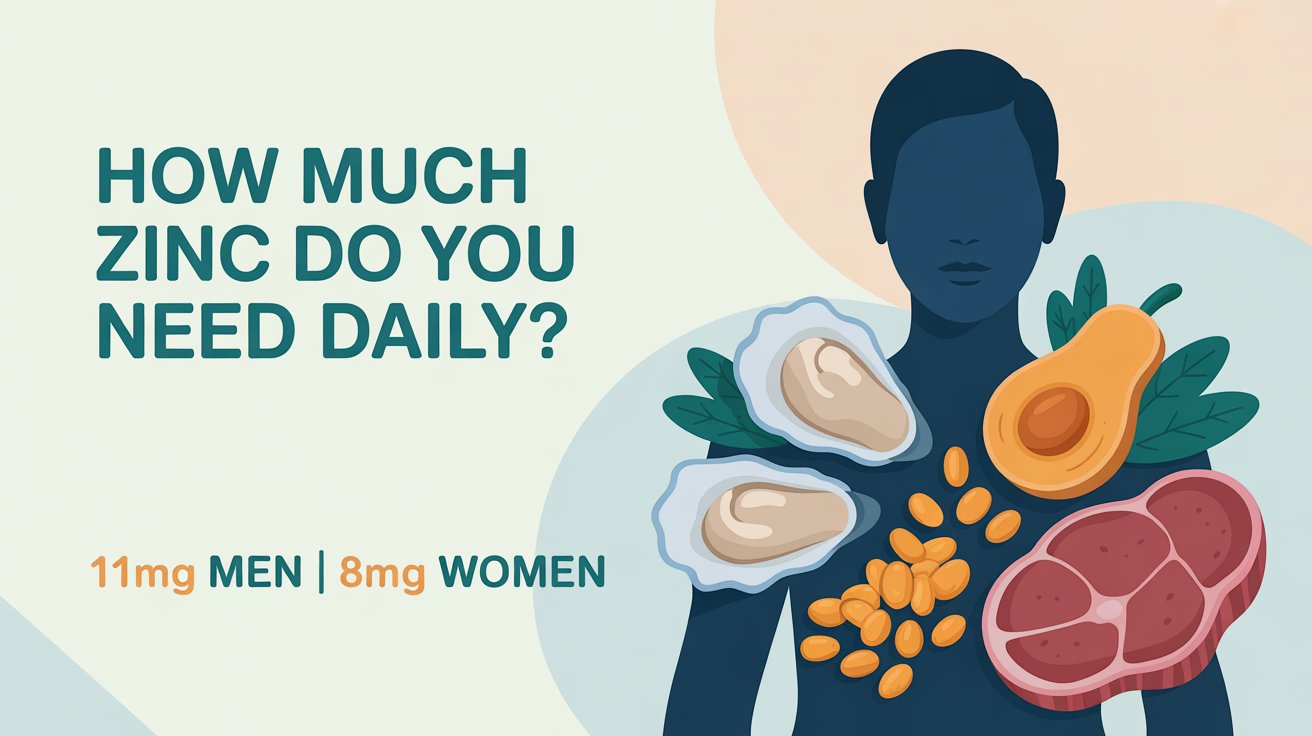
Your zinc needs depend on your age, gender, and lifestyle. The Recommended Dietary Allowance (RDA) for zinc is:
| Group | Daily Zinc Requirement |
|---|---|
| Adult Men | 11 mg |
| Adult Women | 8 mg |
| Pregnant Women | 11 mg |
| Breastfeeding Women | 12 mg |
| Children (1–8 years) | 3–5 mg |
| Teens (9–18 years) | 8–11 mg |
While these amounts seem small, meeting them consistently can make a huge difference in your energy, immunity, and mood. For couples trying to stay healthy together, learning about the zinc benefits for men and women can be a game changer.
If you’re an athlete, pregnant, or recovering from illness, your zinc needs may be higher due to increased losses through sweat or higher metabolic demands. In such cases, supplementation can help fill the gap. Regularly including zinc-rich foods in your diet allows you to enjoy the zinc benefits for men and women naturally.
Zinc Supplements: What You Should Know Before Taking Them
Zinc supplements can be an effective way to boost your intake—especially if your diet is limited or you’re experiencing deficiency symptoms. However, it’s important to choose wisely and avoid overdoing it.
There are several forms of zinc supplements, including zinc gluconate, zinc citrate, and zinc picolinate. Among them, zinc picolinate is known for superior absorption.
When taking supplements, aim for 15–30 mg per day, unless otherwise directed by a healthcare professional. Taking too much zinc can lead to nausea, headaches, or even copper deficiency, since zinc competes with copper for absorption. Even a small increase in your daily intake can help you experience major zinc benefits for men and women.
For best results, take zinc with food and avoid pairing it with calcium or iron supplements, which can hinder its absorption. Like all supplements, the secret lies in using it with balance and moderation.
Possible Side Effects and Zinc Toxicity
While zinc is crucial for good health, it’s possible to have too much of a good thing. Over-supplementation can lead to zinc toxicity, which causes nausea, vomiting, abdominal cramps, and headaches. In severe cases, excessive zinc intake can interfere with the absorption of other minerals, especially copper and iron, leading to deficiencies that affect blood health and immunity.
The tolerable upper intake level (UL) for adults is 40 mg per day. Going above this for extended periods can weaken immune function—the very thing zinc is meant to support. Ironically, too much zinc can suppress the body’s natural immune response and disrupt the balance of gut bacteria.
Symptoms of zinc toxicity may include:
- Metallic taste in the mouth
- Stomach pain and diarrhea
- Loss of appetite
- Fatigue or dizziness
- Low copper levels (leading to anemia over time)
To stay safe, always check supplement labels carefully and avoid combining multiple products containing zinc unless prescribed by a doctor. For most people, getting zinc from whole foods remains the safest and most effective approach. The zinc benefits for men and women make it an irreplaceable part of any balanced diet.
Tips for Improving Zinc Absorption Naturally
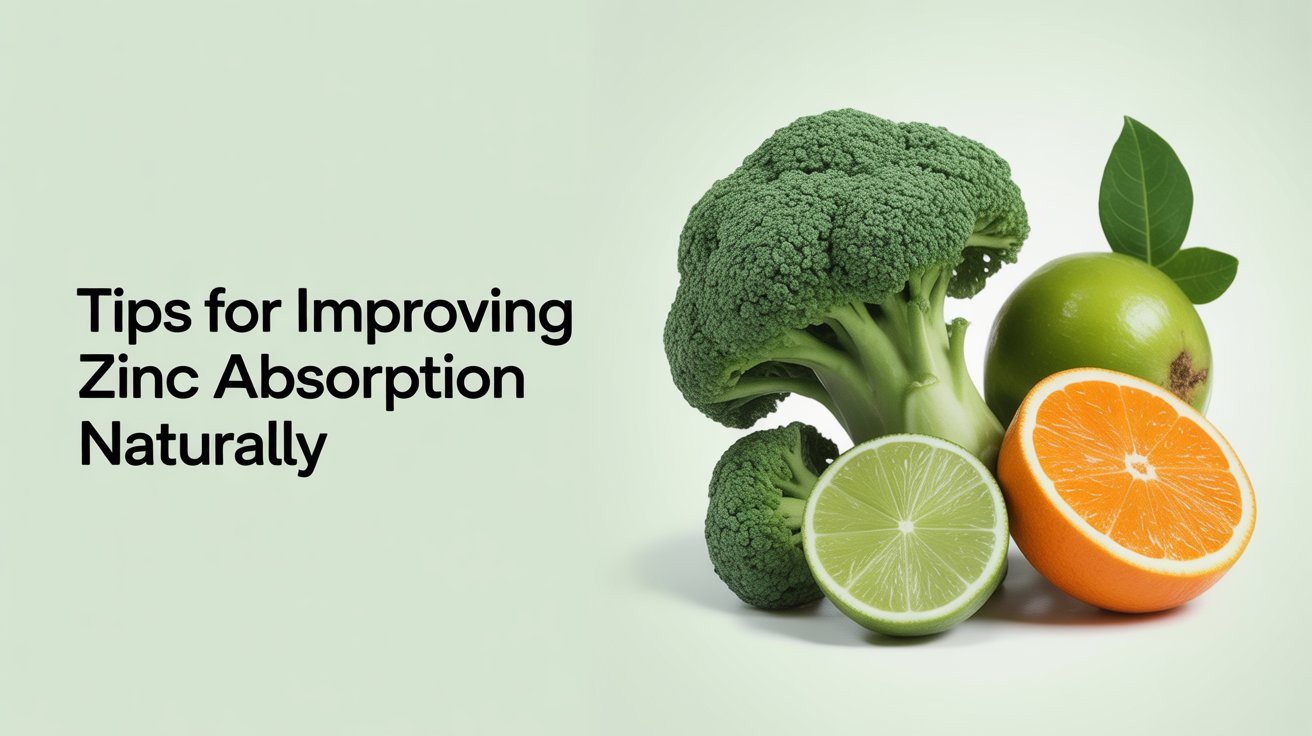
Even if you’re eating zinc-rich foods, your body might not be absorbing enough. Several factors influence zinc bioavailability, but the good news is—you can easily improve absorption with a few smart tweaks:
- Pair zinc with protein – Animal proteins enhance zinc absorption. Try eating zinc sources like meat, eggs, or dairy alongside grains or legumes.
- Reduce phytate intake – Phytates found in whole grains and legumes can bind to zinc, reducing absorption. Soaking, sprouting, or fermenting these foods helps unlock their nutrients.
- Add vitamin C-rich foods – Vitamin C improves mineral absorption and boosts overall immune health. Combine zinc sources with citrus fruits, bell peppers, or tomatoes.
- Avoid excessive iron or calcium at the same meal – Both minerals compete with zinc for absorption. Space out supplements if you take them.
- Watch alcohol intake – Alcohol depletes zinc and reduces the body’s ability to absorb it effectively.
Small lifestyle adjustments can make a big difference. By improving how your body absorbs zinc, you ensure every milligram counts.
Zinc-Rich Foods Table (Comparison of Zinc Content)
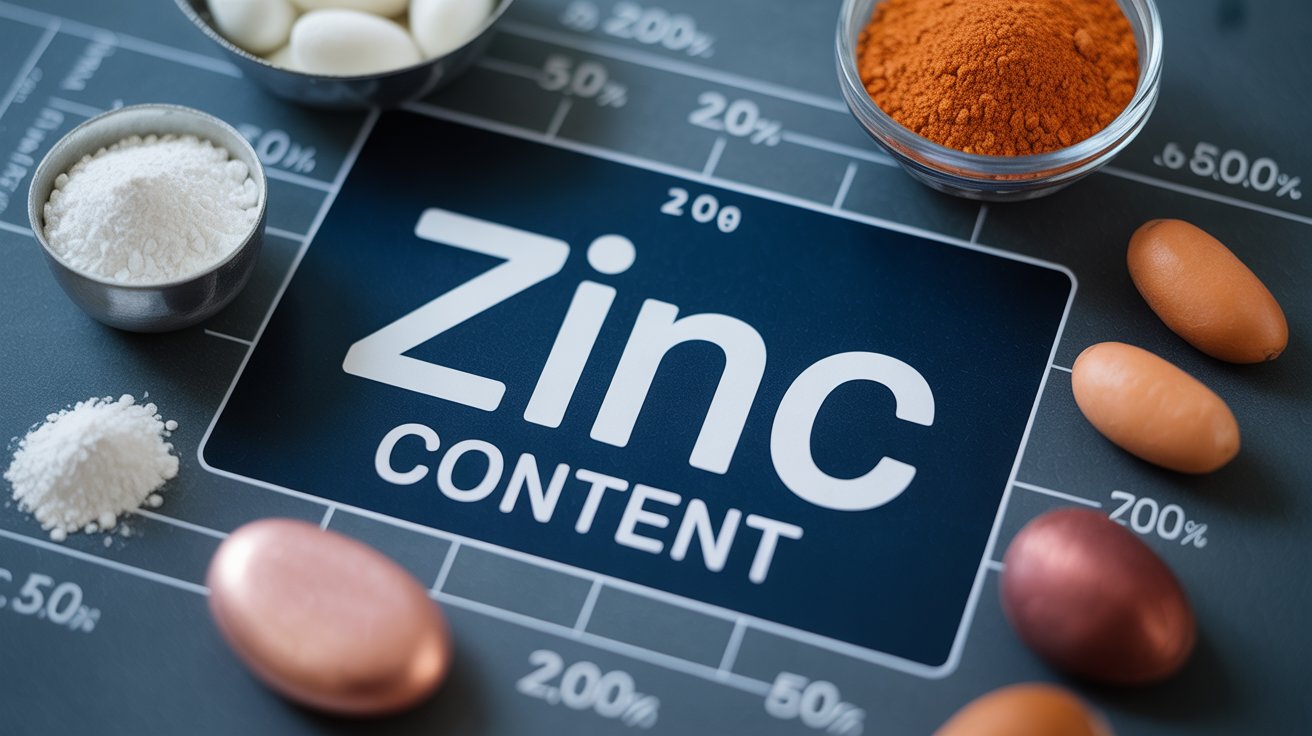
To help you visualize where zinc hides in your diet, here’s a quick table of common foods and their approximate zinc content per serving:
| Food Item | Serving Size | Zinc Content (mg) | % Daily Value (Men) | % Daily Value (Women) |
|---|---|---|---|---|
| Oysters | 6 medium | 33 mg | 300% | 400% |
| Beef (cooked) | 3 oz | 7 mg | 64% | 87% |
| Chicken (dark meat) | 3 oz | 2.7 mg | 25% | 34% |
| Pumpkin seeds | 1 oz | 2.2 mg | 20% | 28% |
| Lentils (cooked) | 1 cup | 2.5 mg | 23% | 31% |
| Cashews | 1 oz | 1.6 mg | 15% | 20% |
| Yogurt | 1 cup | 1.3 mg | 12% | 16% |
| Eggs | 2 large | 1.1 mg | 10% | 14% |
| Quinoa (cooked) | 1 cup | 1.0 mg | 9% | 12% |
| Spinach (cooked) | 1 cup | 0.8 mg | 7% | 10% |
Including a variety of these foods in your weekly meal plan can easily help you reach your recommended intake without relying heavily on supplements.
The Link Between Zinc and Overall Longevity
Here’s where it gets truly fascinating—zinc doesn’t just support your daily health; it may also influence how long and how well you live. Studies suggest that optimal zinc levels are linked to better aging outcomes, including improved immunity, reduced inflammation, and lower risk of chronic diseases.
Zinc helps neutralize free radicals that cause cellular damage—a major contributor to aging and disease. It also supports DNA repair, ensuring your cells function efficiently even as you age. People with sufficient zinc levels tend to have fewer infections, better mental clarity, and stronger bones in later years.
Moreover, zinc’s impact on mood and brain health can improve emotional resilience, which is just as important for longevity as physical wellness. In short, zinc might not be the fountain of youth—but it certainly helps keep the water flowing longer.
By consistently including zinc-rich foods in your diet, you’re not just fueling your present—you’re investing in your future health and vitality.
“The Harvard School of Public Health outlines dietary sources and recommended daily intakes of zinc.”
Conclusion: Why Zinc benefits Deserves a Place in Your Daily Diet
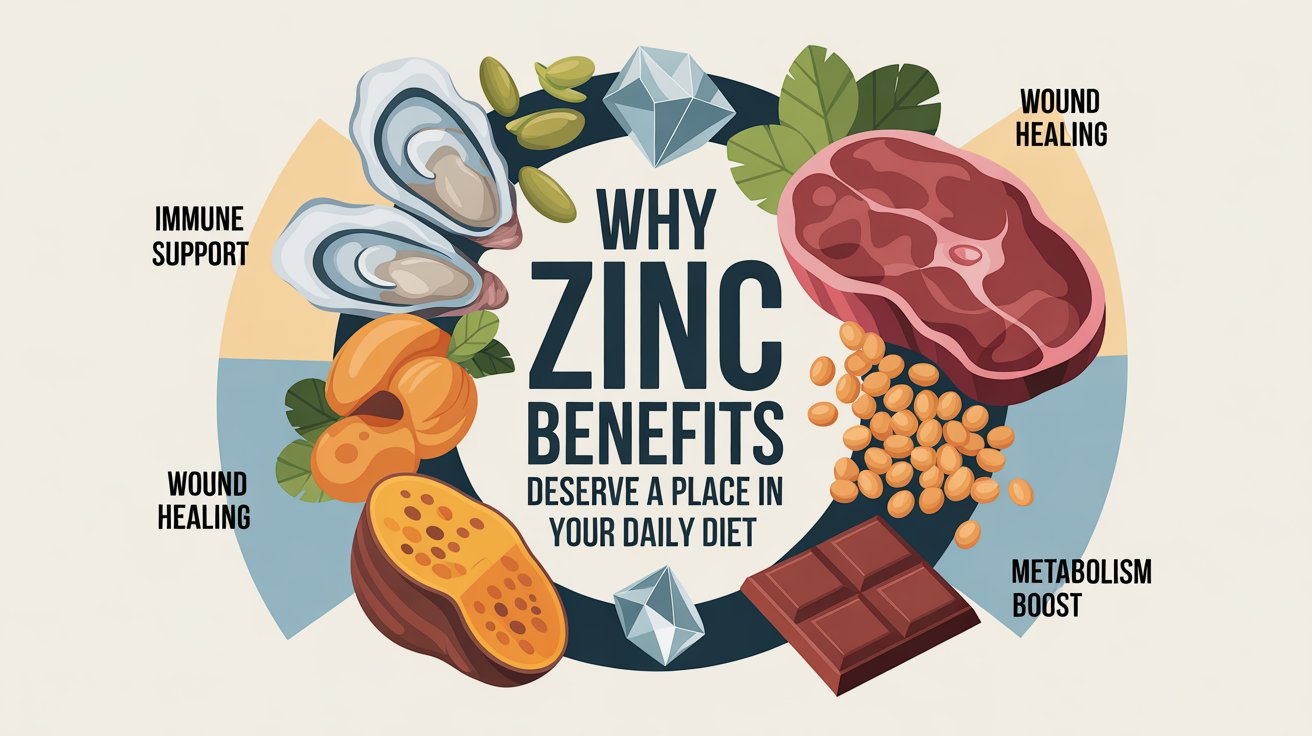
In today’s fast-paced world, we often focus on flashy superfoods and trendy supplements, but zinc quietly remains one of the most essential and underestimated nutrients of all. It fuels your immune system, powers your hormones, sharpens your mind, and rejuvenates your skin—yet many of us don’t get enough of it daily. The body depends on minerals like zinc, and the zinc benefits for men and women prove just how vital it is.
For men, zinc means higher energy, better performance, and stronger fertility. For women, it’s the key to hormonal balance, glowing skin, and stable moods. Whether through a plate of oysters, a handful of pumpkin seeds, or a quality supplement, making zinc a part of your routine can transform your overall well-being. Whether young or old, everyone can gain from the zinc benefits for men and women in their daily diet.
Think of zinc as the “unsung hero” of nutrition—a small mineral with massive influence. By giving your body the zinc it needs, you’re supporting more than just your immunity; you’re strengthening every system from head to toe. The zinc benefits for men and women include improved metabolism, better mood, and faster recovery.
So, the next time you plan your meals, remember this: zinc isn’t optional—it’s essential.
For more on overall wellness, explore minerals benefits.
FAQs About Zinc and Zinc Benefits
1. Can I take zinc every day?
Yes, zinc can be taken daily within safe limits (8–11 mg for adults). However, long-term use of high doses should be avoided unless prescribed by a healthcare provider.
2. What happens if I take too much zinc?
Excessive zinc intake can cause nausea, stomach pain, headaches, and copper deficiency. Stick to under 40 mg per day unless advised otherwise.
3. What are the best natural sources of zinc?
Oysters, beef, chicken, pumpkin seeds, lentils, and cashews are some of the richest sources of zinc.
4. Is zinc good for hair and skin?
Absolutely. Zinc supports collagen formation, reduces acne, and strengthens hair and nails.
5. Should I take zinc with food or on an empty stomach?
It’s best to take zinc with a meal to prevent nausea and improve absorption. Avoid taking it with calcium or iron supplements simultaneously.