


Table of Contents
10 Sodium Benefits for Athletes: The Secret to Peak Performance
Introduction: Sodium – The Unsung Hero of Athletic Performance
When it comes to sports nutrition, understanding sodium benefits for athletes can be the difference between average performance and peak results. But there’s a quiet hero working behind the scenes—sodium. Often misunderstood and sometimes even vilified for its link to high blood pressure, sodium actually plays a vital role in keeping athletes performing at their peak.
It’s not just about sprinkling some salt on your meal; it’s about understanding how this mineral fuels endurance, maintains balance, and helps your muscles fire efficiently.
For athletes who sweat heavily or train in hot conditions, sodium is indispensable. It keeps the body’s water levels balanced, prevents cramps, and ensures your nervous system fires on all cylinders. Without enough sodium, your muscles tire faster, coordination slips, and performance plummets.
Many sports experts now highlight the sodium benefits for athletes as one of the most overlooked keys to peak fitness. In short, sodium isn’t just another nutrient—it’s your body’s command center for power, endurance, and recovery.
In this article, we’ll break down 10 scientifically backed sodium benefits for athletes, exploring why this often-overlooked mineral could be the key to unlocking your full athletic potential.
Understanding Sodium: What It Is and Why It Matters for Athletes
Sodium is a mineral and an essential electrolyte that your body needs to function properly. It regulates fluid balance, supports nerve transmission, and plays a major role in muscle contraction.
When dissolved in body fluids, sodium becomes charged particles (ions), which help send electrical impulses throughout your body—essentially acting as the spark plugs for your nerves and muscles. When it comes to endurance, recovery, and hydration, understanding the sodium benefits for athletes can completely change performance outcomes.
Top Sodium Benefits for Athletes You Should Know
For athletes, sodium isn’t optional—it’s fundamental. Every time you sweat, you lose not just water but also electrolytes, especially sodium. This loss can quickly lead to dehydration, cramps, and fatigue if not replenished.
Think of sodium as your internal hydration regulator—it keeps your cells hydrated and ensures your heart, brain, and muscles communicate effectively during strenuous activity.
Common Misconceptions About Sodium
Many athletes misunderstand sodium as something to avoid. However, the body’s sodium needs increase significantly during intense training sessions, especially in hot environments.
Understanding its function allows you to use sodium strategically—not just to stay hydrated, but also to maximize energy, focus, and recovery.
The Relationship Between Sodium and Hydration
Why Water Alone Isn’t Enough
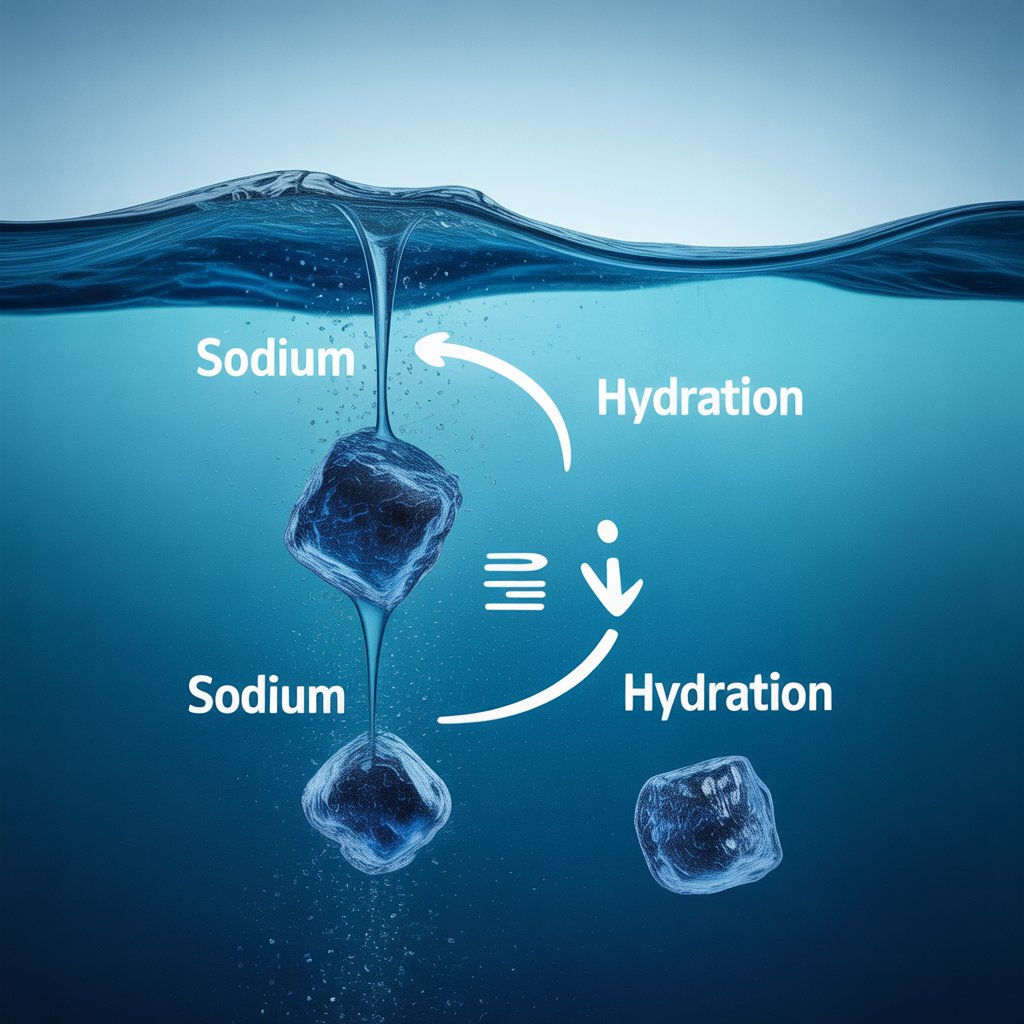
Ever wonder why simply drinking water isn’t always enough to stay hydrated? The answer lies in sodium. Sodium helps your body retain and utilize the water you consume, preventing excessive fluid loss.
Staying hydrated is one of the biggest sodium benefits for athletes, particularly in endurance sports.
Without sufficient sodium, drinking too much plain water can dilute sodium levels in your blood, leading to a dangerous condition called hyponatremia—a common risk among endurance athletes.
Coaches often remind players that the sodium benefits for athletes go beyond hydration—they’re essential for preventing dangerous imbalances.
How Sodium Supports Fluid Balance
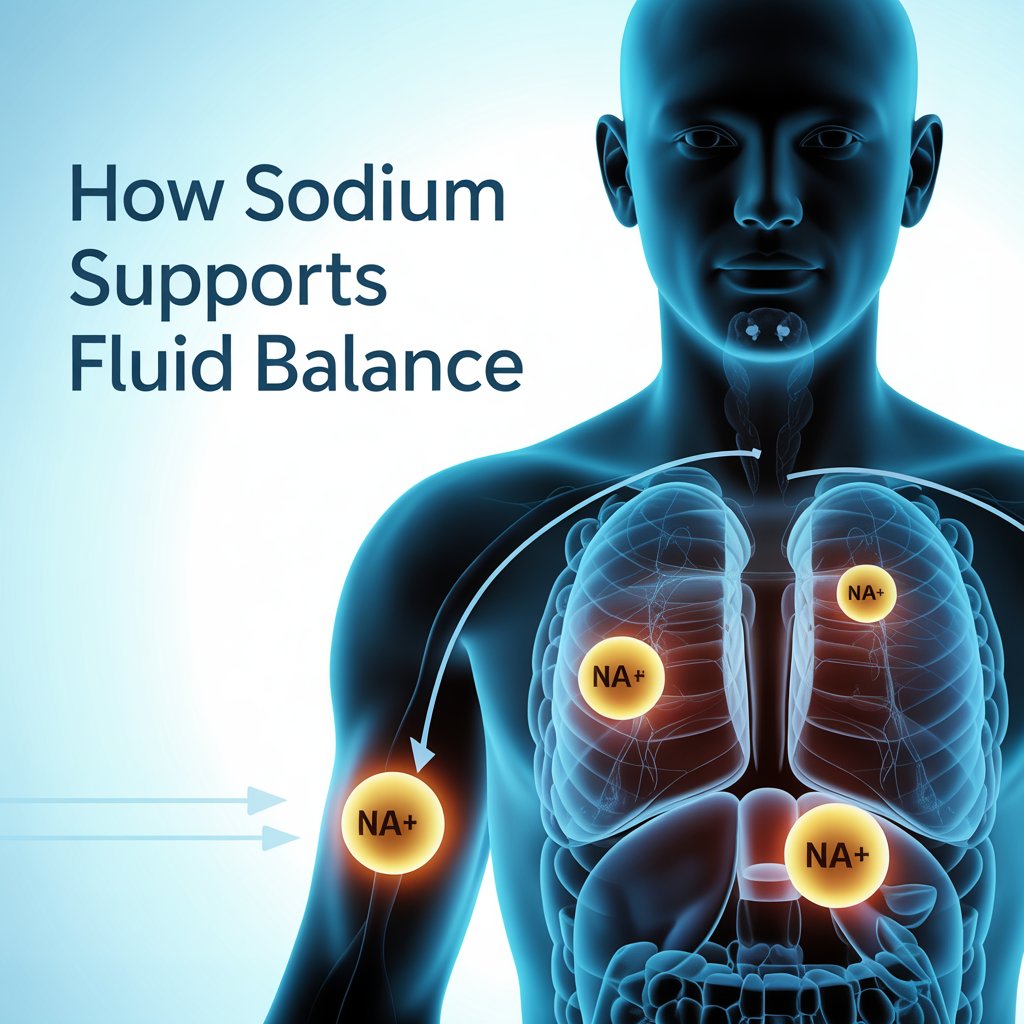
When you sweat, sodium exits the body along with water. If you only replace the water, your body’s fluid balance becomes unstable, which can cause dizziness, nausea, and muscle weakness. Sodium ensures that the fluids you drink are properly absorbed and distributed throughout your body’s tissues.
In essence, sodium acts like a gatekeeper for hydration. It maintains the balance between fluid intake and excretion, supporting optimal blood volume and pressure. Once you realize the sodium benefits for athletes, you’ll understand why avoiding salt altogether can be counterproductive for performance.
That’s why smart athletes don’t just hydrate—they replenish sodium alongside water to sustain energy and prevent dehydration during long or high-intensity workouts. Every athlete should understand how the sodium benefits for athletes support hydration efficiency during intense sessions.
Research from the Gatorade Sports Science Institute highlights how sodium replacement improves hydration efficiency in endurance athletes.
Sodium’s Role in Muscle Function
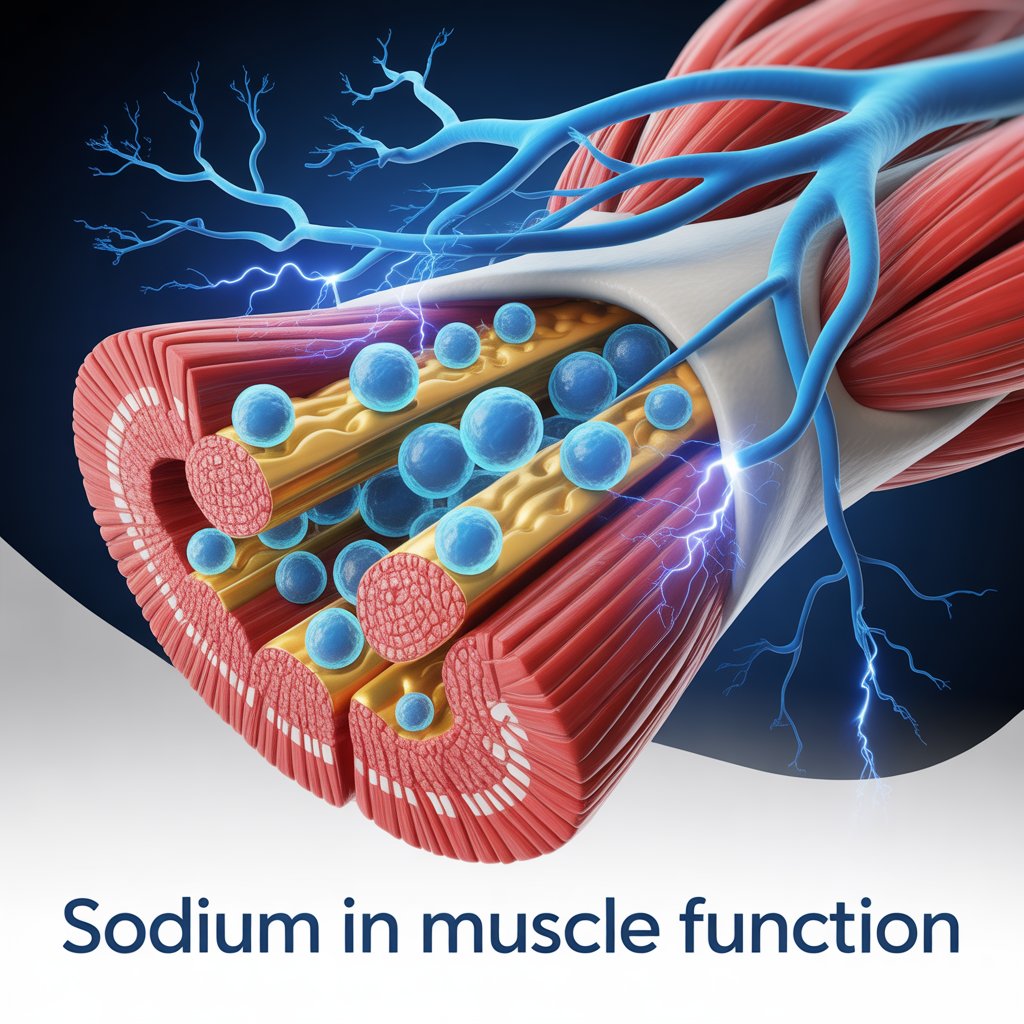
When it comes to muscle performance, sodium is a game-changer. Every time you lift, sprint, or jump, your muscles rely on a delicate balance of sodium and potassium to contract and relax properly. One of the main sodium benefits for athletes is improved muscle function. Among all electrolytes, the sodium benefits for athletes are especially vital for keeping muscles and nerves functioning smoothly.
Strong and responsive muscles are one of the core sodium benefits for athletes, especially during repeated high-intensity movements.
Sodium helps transmit electrical signals from your nerves to your muscles, triggering the contractions that power your movement. Without enough sodium, these signals weaken, leading to slower reactions, cramping, or even muscle failure. Recognizing the sodium benefits for athletes can help reduce cramps and improve muscle coordination.
Recognizing Sodium Deficiency During Training
Have you ever felt your legs seize up during a long run or an intense gym session? That’s often your body crying out for more sodium. Muscle cramps are one of the earliest signs that your sodium levels have dipped too low. When sodium levels fall, the communication between your nerves and muscles gets disrupted, causing uncontrolled contractions.
Why Heavy Sweaters Need More Sodium
Athletes who sweat heavily—especially in hot and humid conditions—are particularly vulnerable. You might lose anywhere from 500 to 2,000 milligrams of sodium per liter of sweat. Replenishing that loss isn’t just important—it’s vital.
Sodium keeps your muscles responsive and strong, allowing you to train longer and recover faster.
Smart Sodium Strategies
So, the next time you plan your pre-workout or intra-workout nutrition, think beyond protein shakes and energy gels. A bit of sodium—whether through an electrolyte drink, a salty snack, or a dedicated sports supplement—could mean the difference between powering through your session and hitting an early wall.
No other electrolyte matches the overall sodium benefits for athletes when it comes to muscle responsiveness and endurance.
Boosting Endurance: How Sodium Supports Long-Distance Performance
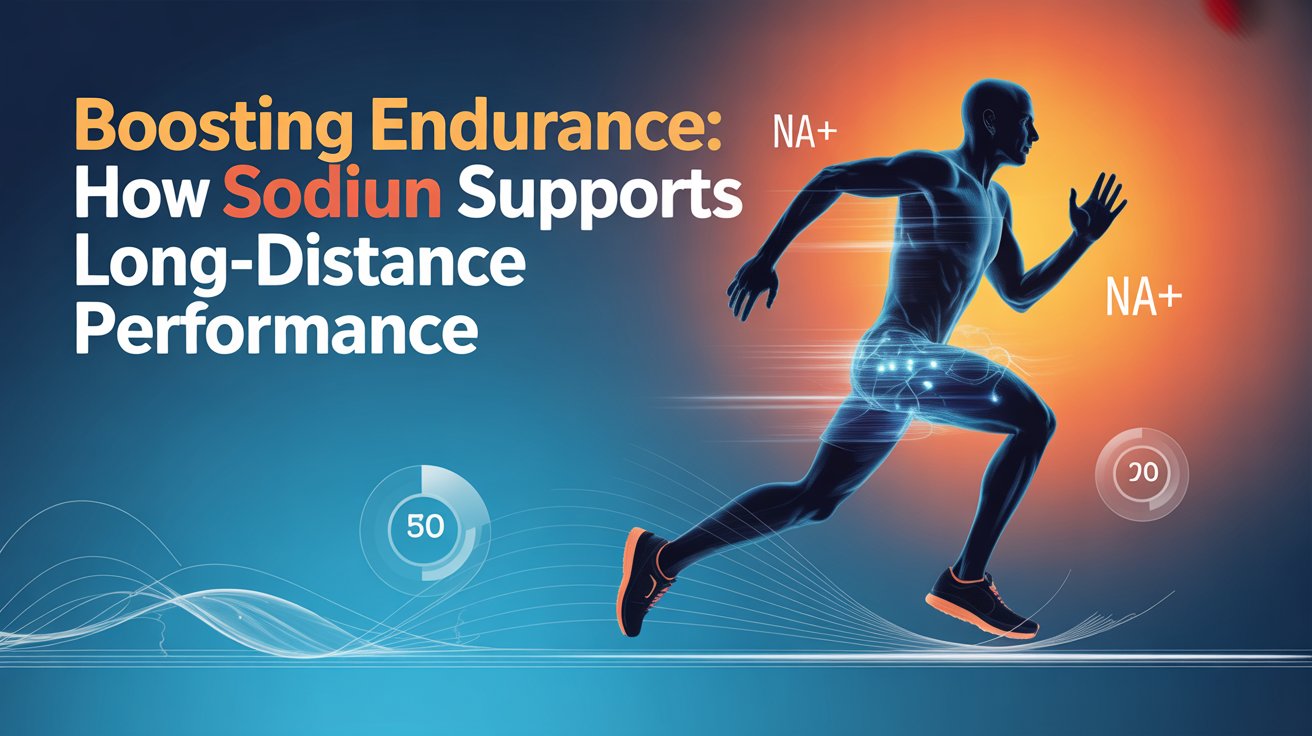
Long-distance athletes such as marathon runners, cyclists, and triathletes know that endurance isn’t just about mental toughness—it’s also about smart nutrition.
Sodium’s Role in Sustaining Stamina
One of sodium’s most underrated benefits is its ability to sustain endurance. During prolonged exercise, the body’s sodium stores gradually deplete through sweat. If not replenished, dehydration and muscle fatigue set in.
Endurance runners, cyclists, and triathletes rely heavily on the sodium benefits for athletes to sustain performance over long distances.
Sodium plays a vital role in maintaining the blood’s plasma volume, ensuring that oxygen and nutrients continue to reach your muscles efficiently. This constant delivery system keeps your body running smoothly, even when you’re miles into a race.
Delaying Fatigue and Enhancing Performance
Moreover, sodium helps delay the onset of fatigue by stabilizing your electrolyte balance. When sodium levels drop, your muscles and nerves can’t fire properly, leading to slower performance.
That’s why seasoned endurance athletes strategically consume sodium-rich sports drinks or electrolyte capsules during events—it helps sustain performance, sharpness, and hydration.
Scientific Backing
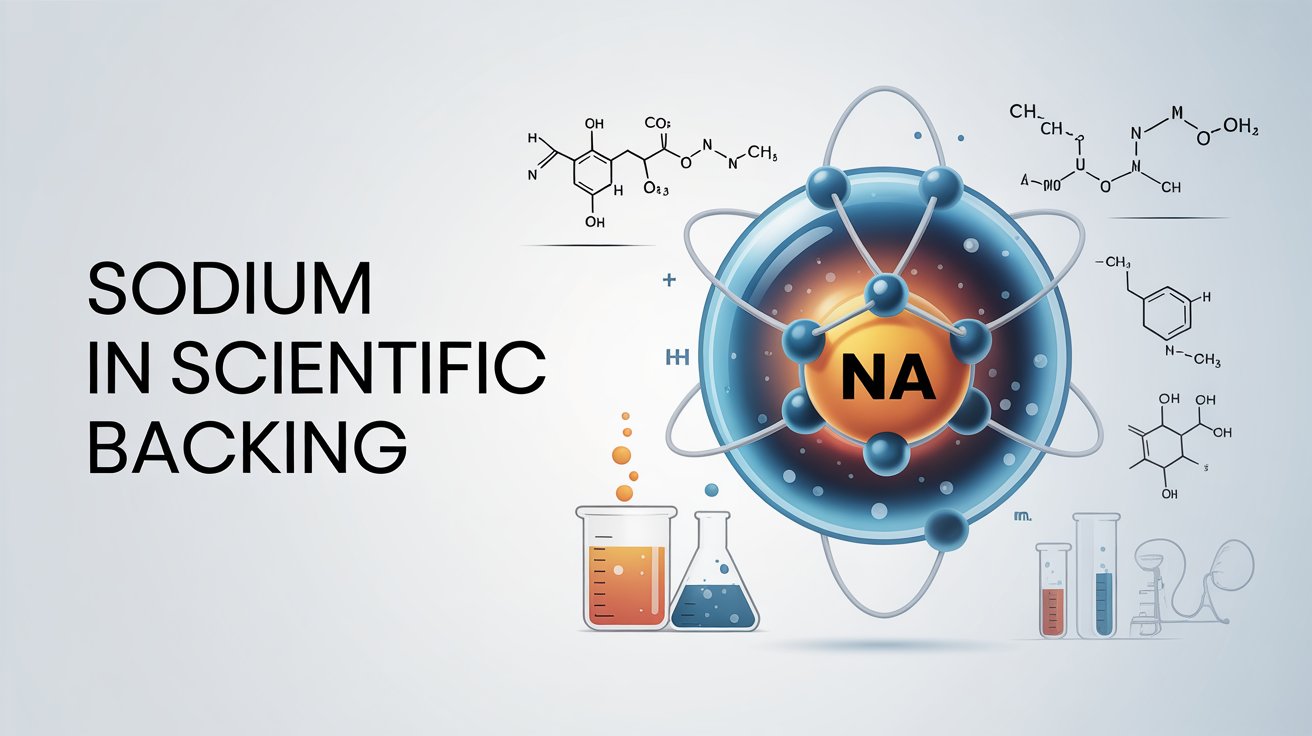
Studies have shown that athletes who maintain sodium balance during endurance activities can perform up to 20% longer before experiencing exhaustion compared to those who don’t.
These findings make it clear that the sodium benefits for athletes are essential for going the extra mile—literally.
In other words, sodium isn’t just keeping you hydrated—it’s helping you go the extra mile, literally.
Regulating Nerve Function for Faster Reflexes
Speed, agility, and coordination all start in your nervous system—and sodium is at the heart of how your nerves communicate.
Each nerve impulse—every flicker of movement, every reaction time—is powered by sodium ions moving in and out of nerve cells.
Sharper Reactions and Better Coordination
When sodium levels are optimal, your brain and body communicate almost instantly. You react faster, move smoother, and maintain better control over your movements. Faster reflexes and smoother coordination are key sodium benefits for athletes in high-speed sports like soccer and basketball.
But when sodium drops too low, electrical activity in your nerves slows down, leading to delayed reactions, slower reflexes, and coordination issues—definitely not something any athlete wants mid-game.
Why Sodium Matters in High-Speed Sports
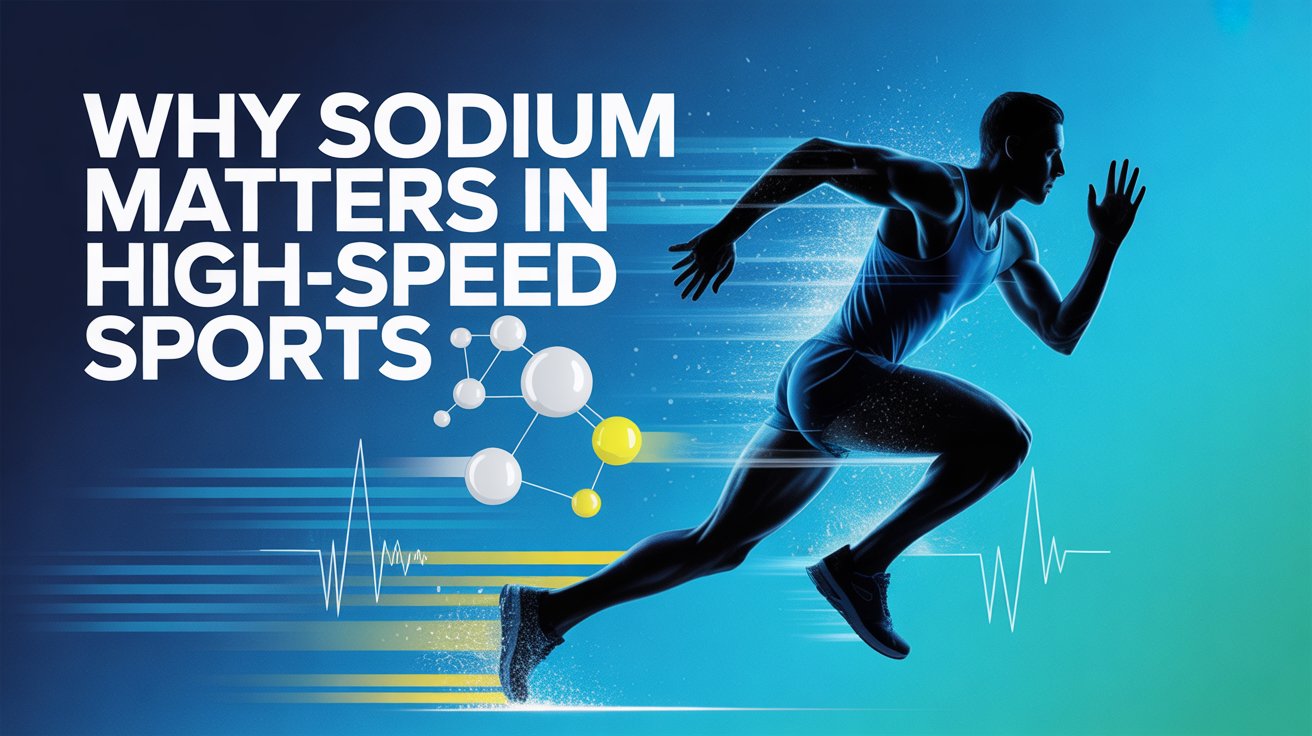
In high-speed sports like tennis, soccer, or basketball, milliseconds matter. Sodium ensures your reaction time stays sharp by keeping the nervous system firing efficiently.
Think of it as the conductor of your body’s electrical orchestra—without it, things go offbeat quickly.
Ensuring consistent sodium intake before and during activity can mean the difference between a sluggish response and a game-changing play. Maintaining optimal sodium levels enhances nerve efficiency, reinforcing the overall sodium benefits for athletes.
It’s one of those behind-the-scenes nutrients that keeps athletes sharp, agile, and ready for anything.
Preventing Heat Exhaustion and Dehydration
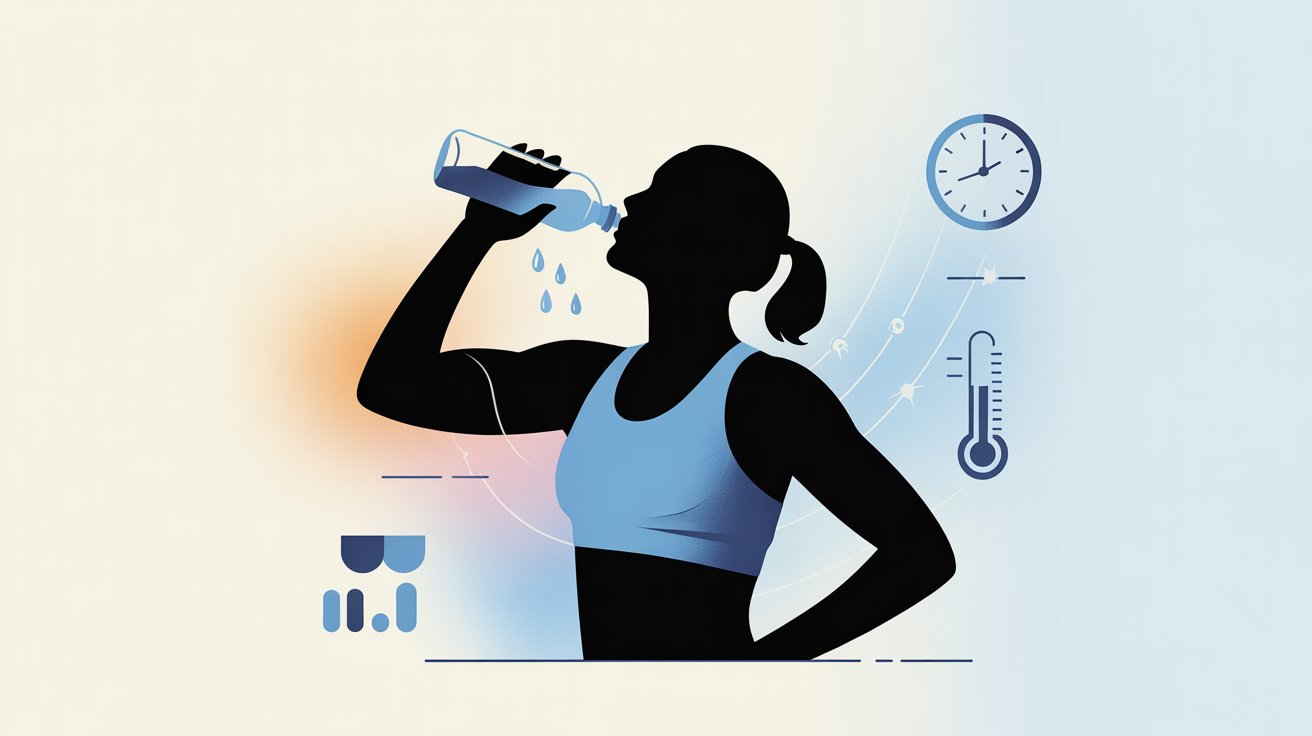
The Heat Challenge
Training or competing in hot environments challenges even the fittest athletes. When your body temperature rises, you sweat more to cool down—and with that sweat, you lose precious sodium.
When training in hot climates, the sodium benefits for athletes become even more apparent through better temperature regulation.
If you fail to replace both water and sodium, your body’s cooling mechanism starts to fail, leading to heat exhaustion or even heatstroke. Proper hydration is another key part of the sodium benefits for athletes.
How Sodium Regulates Body Temperature
Sodium helps retain the water your body needs to regulate temperature. It ensures your blood volume stays steady, allowing sweat to evaporate efficiently and cool your body naturally.
Without enough sodium, your sweat mechanism becomes less effective, and your body overheats faster.
Recognizing and Preventing Sodium Depletion
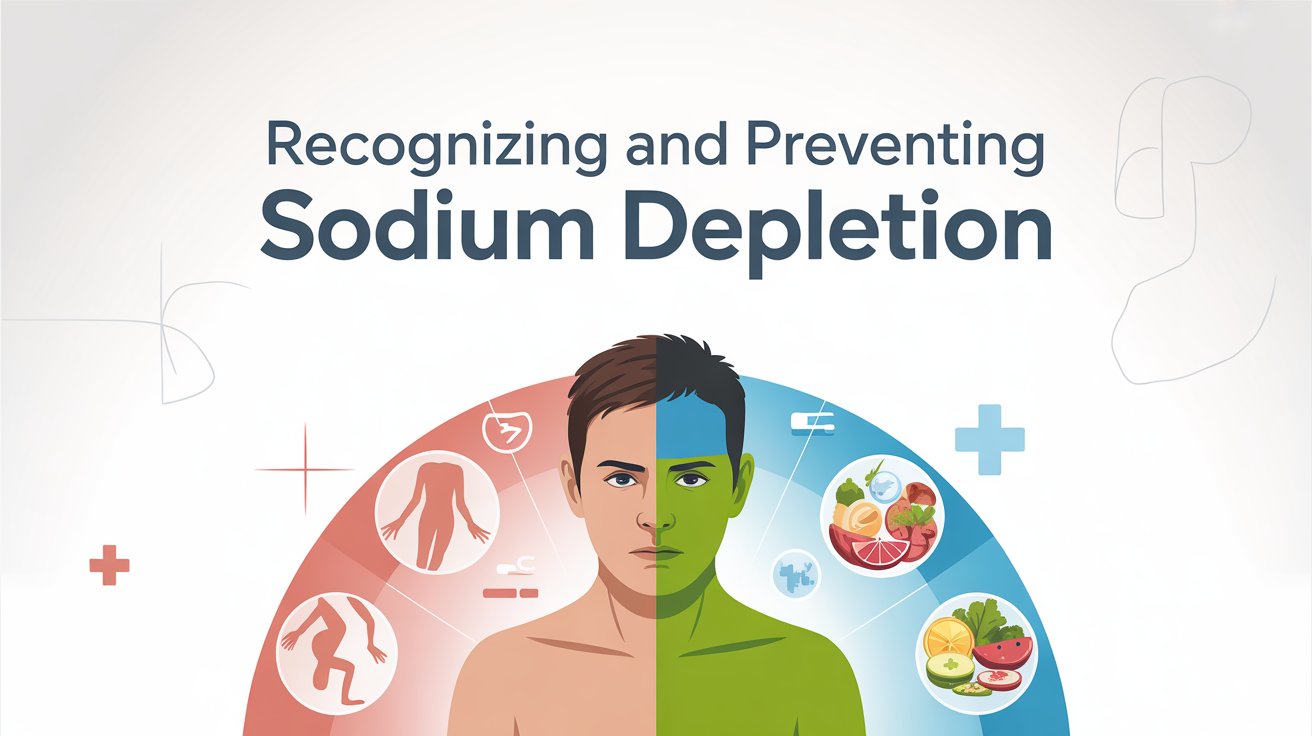
Athletes performing in hot climates or indoor arenas should be especially aware of this. Symptoms like dizziness, confusion, or heavy fatigue might not just be signs of exhaustion—they could signal sodium depletion.
By maintaining sodium balance, you’re not only preventing dehydration but also protecting your body’s ability to manage heat. By understanding the sodium benefits for athletes, you can perform safely and effectively even in extreme heat.
It’s a small nutrient with a massive impact on your comfort, safety, and overall performance when the temperatures soar.
Balancing Electrolytes for Optimal Recovery
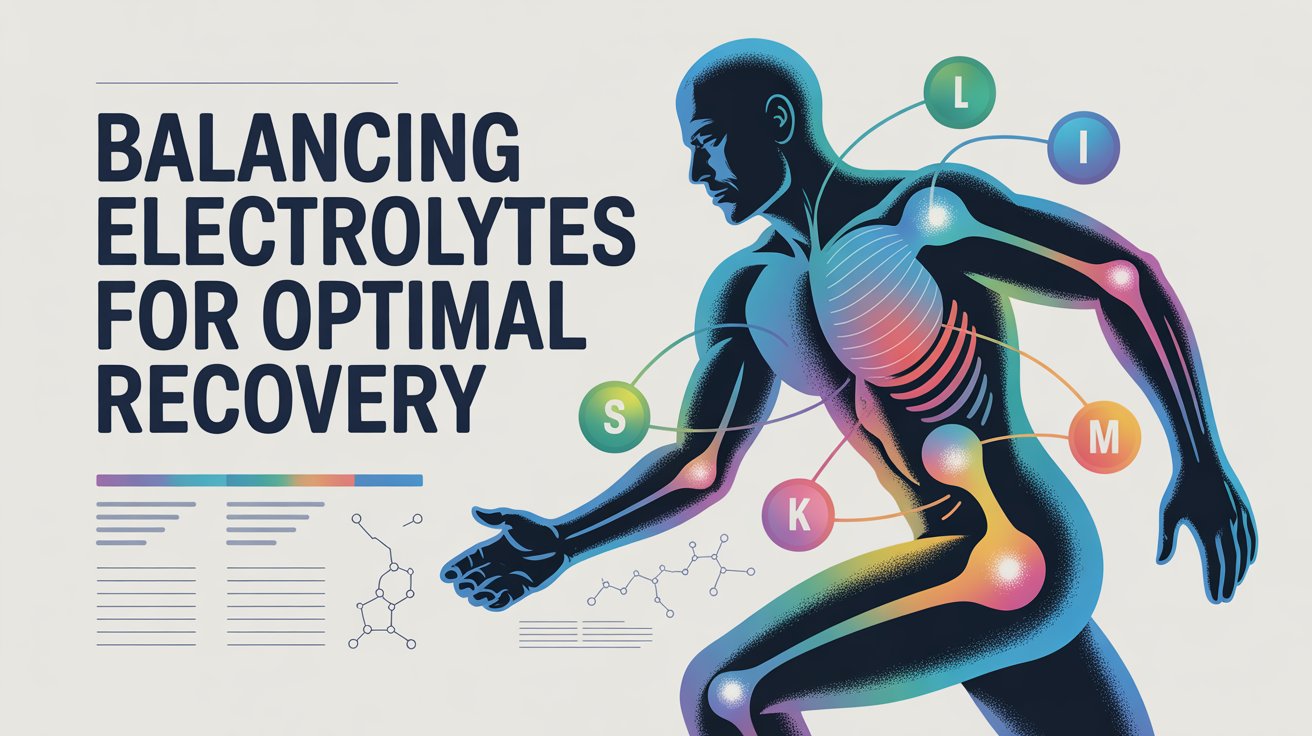
After an intense workout or competition, your body is like a drained battery—it needs to recharge. Rehydrating with plain water is good, but replenishing sodium is what truly restores balance. During recovery, the sodium benefits for athletes become even more noticeable.
The sodium benefits for athletes also include reduced soreness and improved rehydration efficiency.
Sodium’s Partnership with Other Electrolytes
Sodium works hand in hand with other electrolytes like potassium, magnesium, and calcium to bring your body back to equilibrium. These minerals help your cells reabsorb fluid, repair muscle tissue, and restore energy levels.
During exercise, sodium leaves the body through sweat, taking water and other electrolytes with it. If you don’t replace what’s lost, you risk dehydration, muscle soreness, and prolonged fatigue.
How Sodium Accelerates Recovery
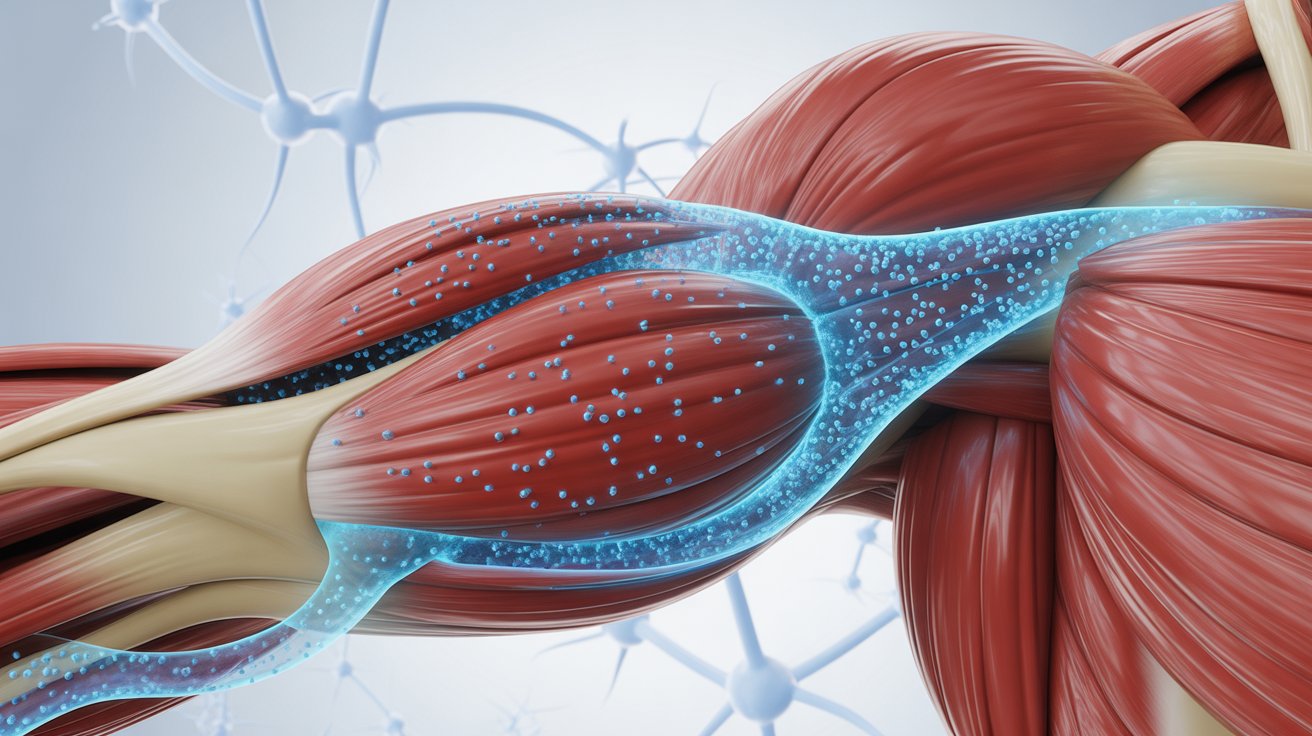
Post-workout sodium intake helps prevent these issues by drawing water back into the cells and improving rehydration efficiency. It’s like refilling the engine oil after a long drive—it ensures everything continues to run smoothly.
One of the most powerful sodium benefits for athletes is faster muscle recovery after strenuous sessions.
Moreover, sodium helps reduce muscle cramping and soreness during recovery. It maintains normal fluid levels inside your muscles, preventing them from tightening up or becoming overly fatigued.
Athletes who regularly restore sodium levels post-exercise often experience less stiffness and recover faster between sessions.
Best Post-Workout Sodium Strategies
The best approach? Combine sodium-rich foods or drinks with carbohydrates and proteins. This not only replaces lost electrolytes but also accelerates glycogen recovery, fueling your muscles for the next round.
For example, pairing a banana with a lightly salted smoothie or a recovery drink containing electrolytes can be a simple yet powerful post-training combo.
So remember—recovery doesn’t stop when your workout ends. Sodium is your secret ally in bouncing back stronger, faster, and ready for your next challenge.
Adding sodium-rich foods to recovery meals ensures you’re maximizing all the sodium benefits for athletes.
Sodium and Energy Metabolism
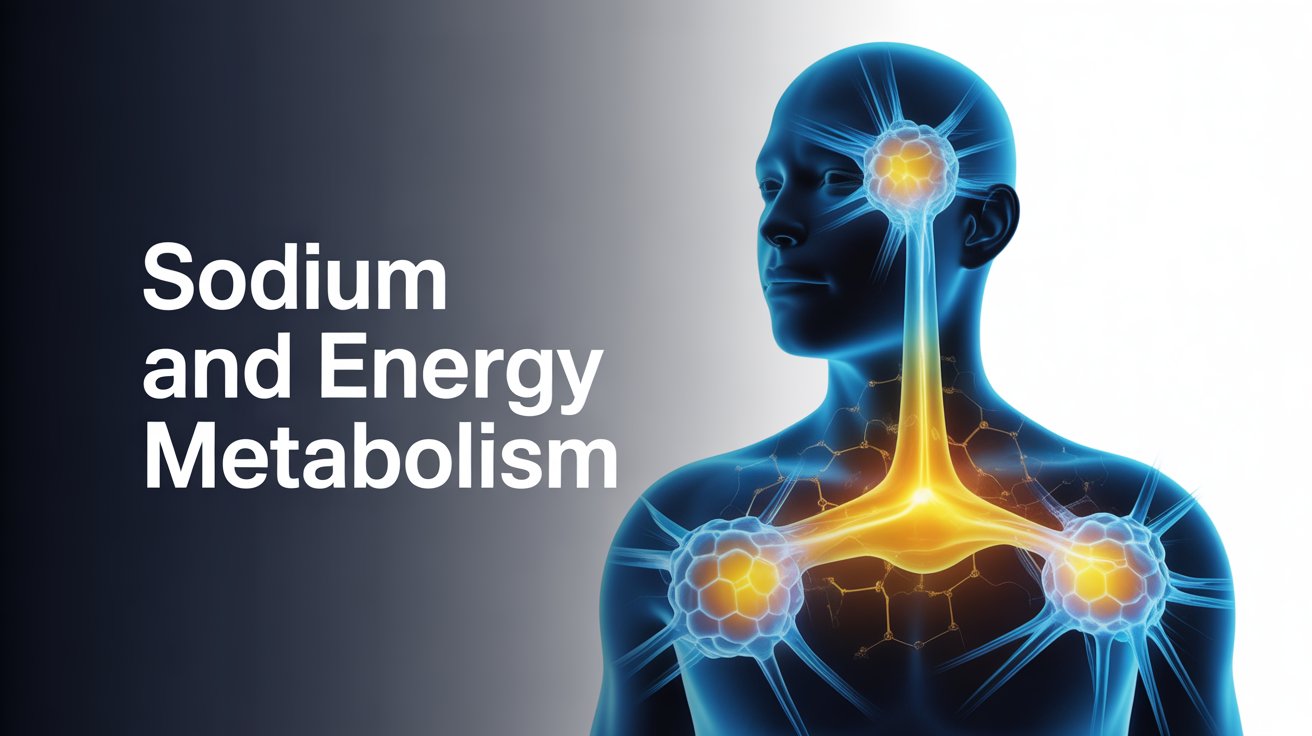
Energy is the lifeblood of every athlete, and sodium plays an unexpected yet vital role in how your body produces and uses it.
Fuel Transport and Energy Efficiency
Sodium helps transport nutrients, especially glucose, across cell membranes. This means it directly influences how efficiently your muscles receive and utilize energy during physical exertion.
Energy delivery is among the most critical sodium benefits for athletes, especially during high-intensity workouts.
When sodium levels are balanced, your cells absorb glucose faster, translating to sustained energy during workouts.
On the flip side, when sodium is low, glucose transport becomes sluggish, leading to early fatigue, slower performance, and reduced endurance. It’s like running a car engine with a clogged fuel line—energy is available but can’t reach where it’s needed.
Sodium’s Role in Glycogen Storage and Recovery
Sodium also affects how your body handles glycogen storage, your primary energy reserve. By maintaining the right sodium concentration in your blood and muscles, you ensure that glycogen is replenished efficiently after exercise.
This not only boosts short-term recovery but also prepares your body for future training sessions.
Balancing Acidity for Better Endurance
In addition, sodium supports energy metabolism by helping maintain your body’s acid-base balance. When your muscles produce lactic acid during intense activity, sodium helps buffer this acid, delaying fatigue and improving endurance.
This allows athletes to push harder and longer without hitting the wall too soon.
The Bottom Line
To sum it up, sodium is much more than a hydration aid—it’s an energy enabler. Whether you’re sprinting, cycling, or lifting, adequate sodium keeps your fuel system firing on all cylinders, ensuring that every ounce of effort translates into peak performance.
Without proper sodium levels, you lose one of the greatest sodium benefits for athletes—steady energy and endurance.
Enhancing Mental Focus and Cognitive Performance

While physical performance often gets all the attention, an athlete’s mental sharpness is equally crucial. Sodium doesn’t just influence muscles—it also plays a key role in brain function and focus.
How Sodium Powers the Brain
Your brain cells rely on sodium to send and receive electrical signals. When sodium levels drop, mental clarity suffers, reaction times slow, and concentration fades.
Have you ever felt foggy or lightheaded during a long training session or competition? That’s often a sign of sodium depletion. Low sodium can reduce blood flow to the brain, leading to mental fatigue, confusion, or poor decision-making—none of which are ideal in high-pressure scenarios.
Maintaining Mental Edge During Performance
Keeping sodium levels balanced ensures your brain fires efficiently, especially during endurance events or prolonged workouts where focus can waver. It supports neurotransmission—the communication between brain cells—helping you stay alert, make quick decisions, and maintain strategy under stress.
Athletes in fast-paced sports like basketball, soccer, and tennis benefit immensely from consistent sodium intake because it keeps both the body and mind synchronized.
When your brain and body operate in harmony, performance naturally improves.
Sodium: Fuel for the Mind

So, the next time you hydrate before or during a game, remember—it’s not just about quenching thirst. You’re also fueling your brain to stay sharp, calm, and laser-focused.
Sodium isn’t just physical fuel—it’s mental ammunition for peak performance.
Sodium in Sports Drinks: Are They Really Effective?
Walk into any gym or sports store, and you’ll see a wall of brightly colored bottles claiming to boost performance. But are sports drinks actually effective, or just marketing hype?
The Key Ingredient: Sodium
The answer depends on one key ingredient—sodium.
Sports drinks are designed to replace fluids and electrolytes lost during exercise, and sodium is their primary functional component. Unlike plain water, which can dilute sodium levels in the blood if consumed excessively, sports drinks restore balance by delivering both water and electrolytes simultaneously.
This makes them ideal for long-duration workouts, endurance races, or high-sweat environments.
Optimal Sodium Concentration in Sports Drinks
A good sports drink should contain between 300–700 mg of sodium per liter, according to sports nutrition experts. This concentration closely matches what’s lost in sweat, allowing your body to rehydrate efficiently.
Additionally, the presence of sodium enhances thirst, encouraging you to drink more and stay hydrated naturally.
Choosing the Right Option

However, not all sports drinks are created equal. Some are loaded with sugar, artificial flavors, or unnecessary additives. The best choice for athletes is a low-sugar, electrolyte-rich drink that focuses on replenishing sodium, potassium, and magnesium rather than adding calories.
Alternatively, many athletes make their own electrolyte drinks using natural ingredients like sea salt, lemon juice, and a bit of honey. These homemade options provide clean sodium sources without the artificial extras.
The Final Verdict
In short, yes—sports drinks work, but sodium is the real star of the show.
Without it, you’re just drinking flavored water.
Natural Sources of Sodium for Athletes
While sports drinks and supplements are convenient, getting sodium from natural food sources is often a healthier and more sustainable approach. Sodium is abundant in many everyday foods, and with smart choices, athletes can easily maintain optimal sodium levels without overdoing it.
Best Natural Sodium Sources
One of the best natural sources of sodium is sea salt, which also contains trace minerals like magnesium and calcium. Unlike heavily processed table salt, sea salt or Himalayan pink salt provides a more balanced nutrient profile. Using these in moderation to season meals can effectively maintain sodium levels for active individuals.
Other sodium-rich foods include pickles, olives, cottage cheese, smoked salmon, and broth-based soups. These not only deliver sodium, but also supply protein, calcium, and omega-3s that aid recovery and boost performance.
For athletes on plant-based diets, foods like celery, beets, and seaweed are excellent natural sources of sodium.
Adjusting Sodium to Training Needs
It’s important to note that sodium intake should align with your training intensity and sweat rate. For example, endurance athletes training in hot weather will need more sodium than those doing short indoor workouts.
A simple way to gauge your sodium needs is to check for white streaks on your workout clothes—these are salt residues from sweat, a clear indicator that your body is losing significant sodium.
Smart Sodium and Hydration Strategies
Combining sodium-rich foods with balanced hydration ensures that your electrolyte levels stay stable. You can even prepare homemade electrolyte snacks, such as whole-grain crackers with cheese or salted nuts with dried fruit.
These options deliver a steady dose of sodium while fueling your body with energy.
Natural sodium sources not only taste great but also offer a safer, more nutrient-dense way to maintain your performance edge.
So next time you plan your meals, think beyond table salt—think about sodium as a strategic performance booster.
How Much Sodium Do Athletes Actually Need?
The big question: How much sodium is enough?
For the general population, organizations like the American Heart Association recommend no more than 2,300 mg per day.
However, athletes are not the average population. Those who train hard, especially in hot or humid environments, may need two to three times that amount to replace what they lose through sweat.
Understanding Individual Sodium Loss
The amount of sodium lost varies widely from person to person. Some athletes lose as little as 500 mg per liter of sweat, while others—often referred to as “salty sweaters”—can lose up to 2,000 mg or more.
To determine your needs, consider your training duration, intensity, and environmental conditions. Longer, more intense sessions in the heat significantly increase sodium loss.
General Sodium Guidelines for Athletes
A good rule of thumb is to consume about 500–700 mg of sodium per hour of exercise lasting longer than 90 minutes.
This can come from sports drinks, electrolyte tablets, or naturally salted snacks.
Post-workout meals should also include sodium to help with rehydration and muscle recovery.
Balancing Sodium Intake
Balance is key.
- Too little sodium can lead to cramps, dizziness, and fatigue.
- Too much sodium can cause bloating or raise blood pressure over time.
The goal is to match your intake to your body’s output—enough to stay hydrated and perform well, without going overboard.
Tracking your sweat rate or consulting a sports nutritionist can help fine-tune your sodium strategy.
Personalized hydration plans are becoming increasingly popular among elite athletes, as they optimize performance while maintaining long-term health.
So, forget the one-size-fits-all approach—when it comes to sodium, your needs are as unique as your training style.
Risks of Too Little and Too Much Sodium
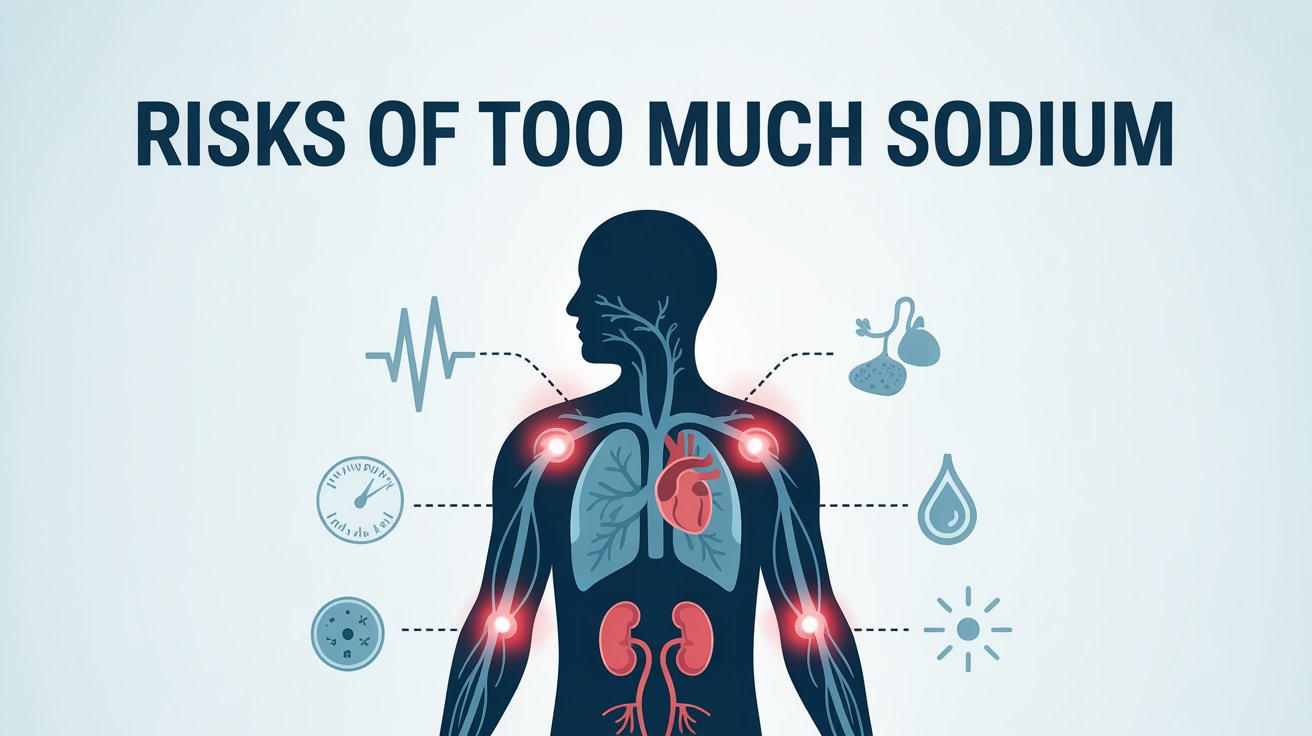
Like most things in life, sodium is all about balance. Both deficiency and excess can sabotage your performance and health.
Too Little Sodium (Hyponatremia)
When sodium levels dip too low, a condition called hyponatremia can occur.
Symptoms include:
- Headaches
- Confusion
- Nausea
- In severe cases, seizures
This often happens when athletes overhydrate with plain water without replacing sodium. Hyponatremia can be dangerous, even life-threatening, if not corrected quickly. Ignoring the sodium benefits for athletes can quickly lead to fatigue and poor performance.
Too Much Sodium
On the flip side, consuming too much sodium can also cause problems, especially when paired with poor hydration or an imbalanced diet.
Excess sodium can lead to fluid retention, bloating, and increased blood pressure. Over time, consistently high sodium intake may strain the cardiovascular system—though athletes, who lose large amounts through sweat, are generally at lower risk than sedentary individuals.
Maintaining Balance and Awareness
The key is moderation and awareness. Listen to your body—persistent thirst, muscle cramps, or dizziness could signal sodium imbalance.
Using a balanced hydration strategy with electrolyte drinks or natural sodium sources during long workouts helps prevent either extreme.
Remember, sodium works best as part of a balanced electrolyte system that includes potassium and magnesium:
- Potassium helps counterbalance sodium’s effects on blood pressure.
- Magnesium supports muscle relaxation and nerve function.
Together, they form the perfect performance trio.
Finding your sodium “sweet spot” takes some trial and error, but once you do, you’ll notice improved energy, better hydration, and faster recovery—without the side effects of imbalance. Striking the right balance allows you to enjoy all the sodium benefits for athletes without any drawbacks.
Conclusion: Embracing Sodium for Peak Athletic Performance

Sodium isn’t just a nutrient—it’s an athlete’s performance ally.
From regulating hydration and preventing cramps to sharpening reflexes and supporting endurance, its benefits span every aspect of athletic function.
Yet, despite its importance, sodium often gets overlooked or misunderstood.
Athletes who recognize sodium’s value can use it strategically to boost stamina, recovery, and focus.
Whether through electrolyte drinks, sodium-rich foods, or smart supplementation, maintaining the right sodium balance ensures your body performs at its best.
The secret to peak performance isn’t just how hard you train—it’s how well you fuel. By respecting the power of sodium, you give your body the foundation it needs to go faster, last longer, and recover stronger.
By recognizing the sodium benefits for athletes, you can train harder and recover faster.
So, the next time you sweat through a tough workout or long race, remember: every drop of sweat carries away valuable sodium.
Replace it wisely, and your body will reward you with resilience, power, and unwavering endurance.
For more on overall wellness, explore magnesium benefits.
FAQs About Sodium for Athletes
1. Can I get enough sodium from regular food without supplements?
Yes. Most athletes can meet their sodium needs through natural foods like soups, cheese, pickles, and salted nuts. However, endurance athletes may benefit from sports drinks or electrolyte powders during long workouts.
2. What are the signs of sodium deficiency during exercise?
Common signs include muscle cramps, dizziness, headaches, confusion, and fatigue. If you experience these symptoms, it may indicate low sodium levels.
3. Is sea salt better than regular table salt for athletes?
Sea salt and Himalayan salt contain trace minerals and may have a milder flavor, but both provide similar sodium content. The key is quantity and balance, not the type of salt used.
4. How do I know if I’m a “salty sweater”?
If you notice white streaks on your clothes after workouts or frequent cramping, you likely lose more sodium through sweat and should increase intake during training.
5. Can excessive sodium affect my heart health?
Extremely high sodium intake can raise blood pressure in sedentary people, but athletes who sweat regularly are at lower risk. Still, moderation and proper hydration are essential for long-term cardiovascular health.