
The Hidden Cause Behind Fatigue and Hormonal Imbalance
Table of Contents
Introduction: The Overlooked Power of Iodine
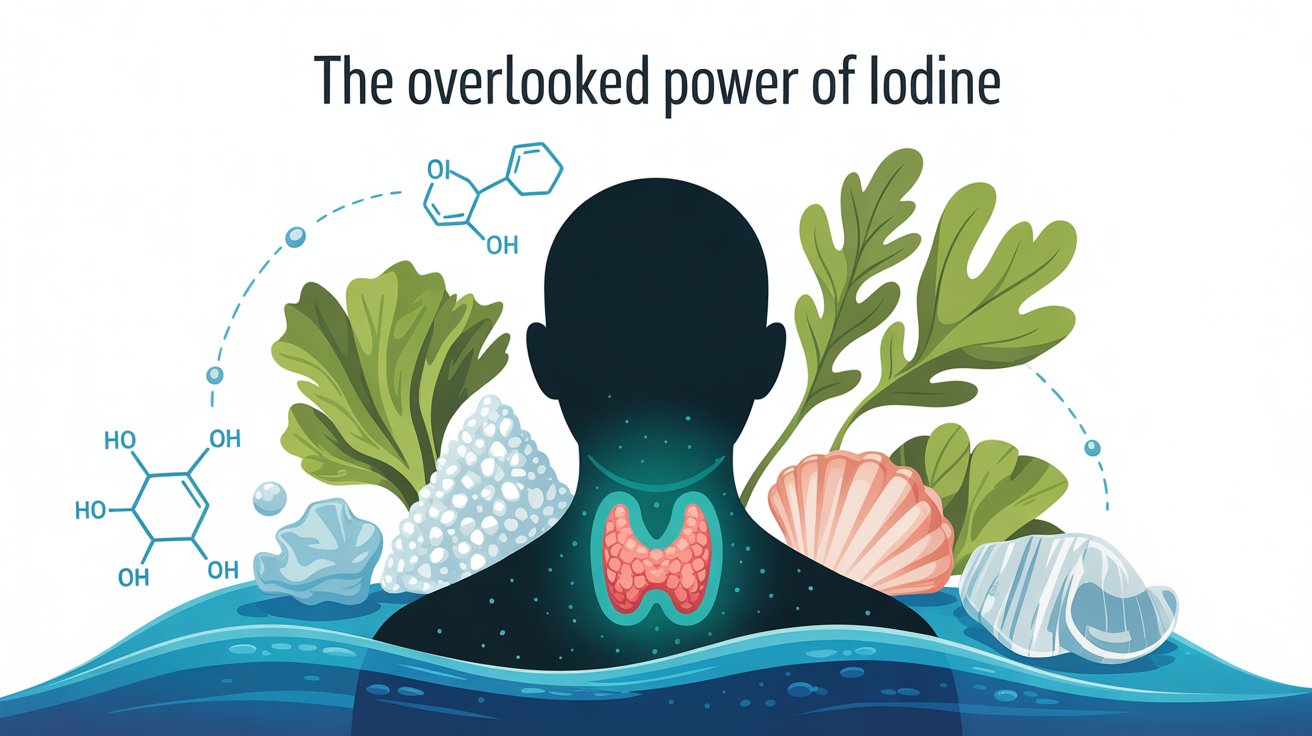
Iodine might not be the first thing that comes to mind when you think of essential nutrients, yet it quietly holds one of the most critical roles in maintaining your energy levels and hormonal balance. Think of iodine as the unsung hero behind your thyroid gland — a small, butterfly-shaped organ in your neck that controls metabolism, growth, and even mood.
Without enough iodine, your thyroid can’t function properly, leading to fatigue, brain fog, and a frustrating array of hormonal imbalances that often go undiagnosed.
Most people assume that because they use table salt, they’re getting enough iodine. Unfortunately, that’s not always true. Over the past few decades, changes in dietary habits, food processing, and even soil quality have led to a quiet epidemic of iodine deficiency — particularly among women, vegans, and those who avoid processed foods.
If you’ve been feeling chronically tired, struggling to lose weight, or noticing mood swings or irregular cycles, iodine might be the missing link. Let’s dive deep into how this trace mineral could be the key to restoring your vitality and hormonal harmony.
Why Iodine Is So Important for the Human Body
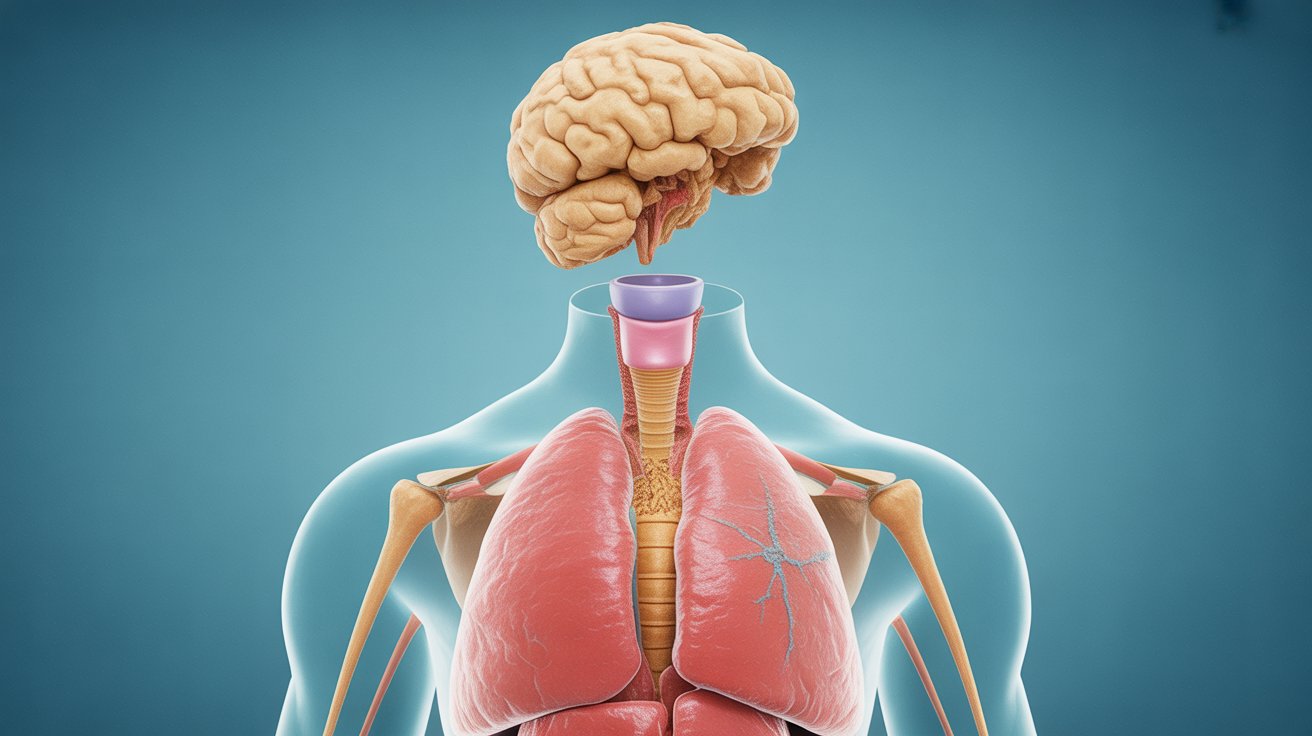
1. Iodine: The Spark Plug of Your Metabolism
Iodine fuels the production of thyroid hormones — triiodothyronine (T3) and thyroxine (T4) — which influence nearly every cell in your body. From regulating body temperature and energy production to maintaining cognitive function, iodine is indispensable.
When your thyroid gland doesn’t get enough iodine, it can’t produce these crucial hormones efficiently. That means your metabolism slows down, energy levels drop, and you start experiencing a cascade of symptoms that often mimic other conditions — weight gain, sluggishness, dry skin, brittle hair, and even depression.
2. Beyond the Thyroid: Iodine’s Other Vital Roles
Beyond its thyroid function, iodine plays a lesser-known but vital role in detoxification. It helps your body eliminate heavy metals and supports immune function. People suffering from iodine deficiency often experience fatigue.
Some research even suggests iodine has protective effects against certain cancers, especially in breast and reproductive tissues. So while it’s needed only in trace amounts, its absence can cause major disruptions throughout your body.
The Link Between Iodine Deficiency and Fatigue
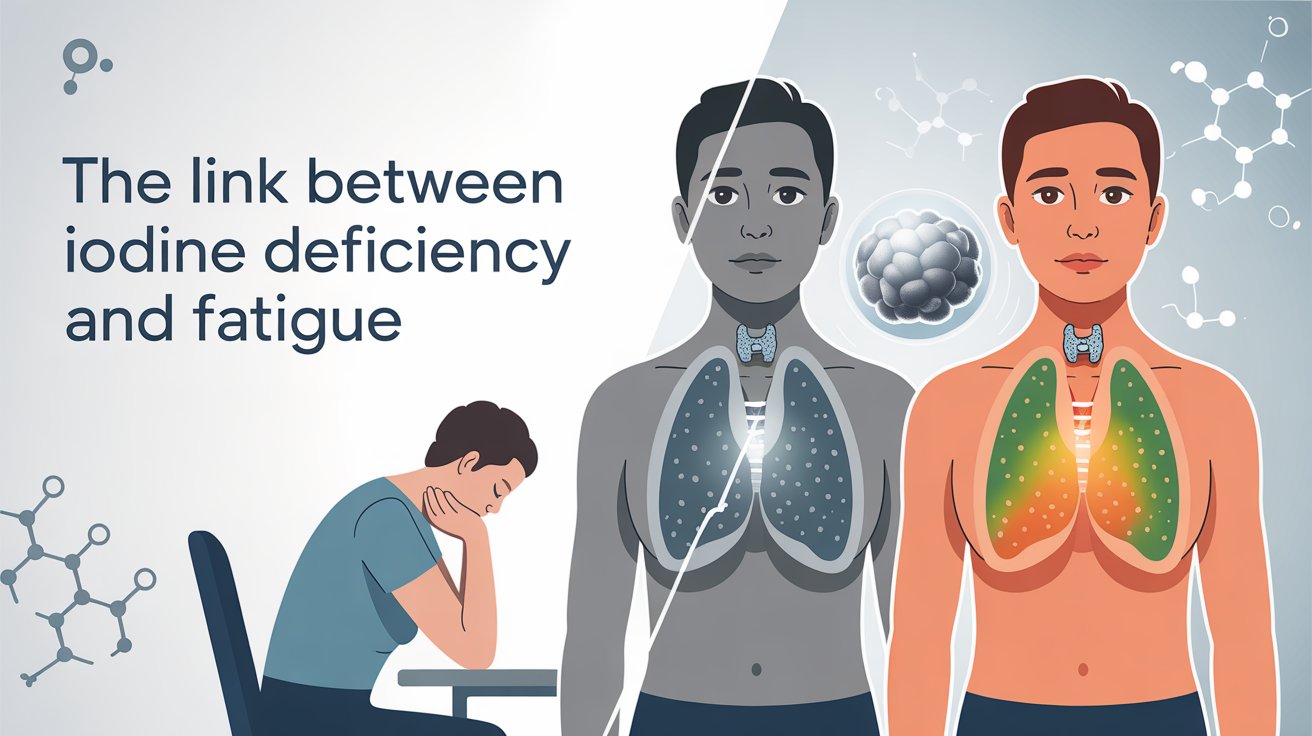
1. The Hidden Cause of Constant Tiredness
Ever wonder why you feel drained no matter how much sleep you get? That persistent fatigue might not be about rest at all — it could be about iodine. The modern diet contributes to widespread iodine deficiency.
When your body lacks this nutrient, your thyroid slows its hormone production, leading to a sluggish metabolism. Your cells, in turn, don’t generate enough energy, leaving you feeling like you’re constantly running on low battery.
2. How Iodine Deficiency Affects Energy and Focus
This kind of fatigue feels different. It’s not just tiredness; it’s the inability to focus, loss of motivation, and a deep sense of exhaustion that doesn’t improve with rest. In severe cases, iodine deficiency can even mimic chronic fatigue syndrome.
It’s fascinating (and frustrating) that so many people undergo countless tests for anemia, vitamin deficiencies, or adrenal fatigue — yet overlook iodine. Once iodine levels are restored, many report an almost immediate lift in energy and mental clarity.
Hormonal Imbalance: A Hidden Symptom of Iodine Deficiency
Your hormones are like a symphony—each one plays a different instrument, and when everything’s in tune, the music sounds perfect. But if one instrument (say, the thyroid) falls out of rhythm, the entire performance becomes chaotic. Addressing iodine deficiency can restore hormonal balance and energy. Iodine is the key that helps your thyroid “play” properly, ensuring a smooth hormonal balance. Without enough iodine, that harmony collapses.
How Iodine Shapes Your Hormonal Symphony
Iodine deficiency disrupts the thyroid’s ability to produce sufficient amounts of T3 and T4 hormones. These hormones directly impact other endocrine glands, including the adrenals, ovaries, and pituitary. That’s why a lack of iodine can trigger a ripple effect across your hormonal system.
- Women might experience irregular menstrual cycles, PMS, fertility challenges, or even early menopause.
- Men might notice low libido, reduced testosterone, or energy dips throughout the day.
Iodine and the Stress Connection
Moreover, iodine affects cortisol—the “stress hormone.” When your thyroid slows down, cortisol tends to rise as your body tries to compensate for low energy levels. This imbalance often leads to mood swings, anxiety, and that constant feeling of being “wired but tired.”
Testing for iodine deficiency helps identify thyroid dysfunction early. Over time, these hormonal disruptions can contribute to weight gain, brain fog, and a general feeling of imbalance.
The Bottom Line
In short, when iodine levels fall, your hormones can’t communicate properly. It’s like trying to make a phone call with a weak signal—the message gets lost, and your body’s systems stop syncing effectively.
The Thyroid Connection: How Iodine Keeps Your Hormones in Check
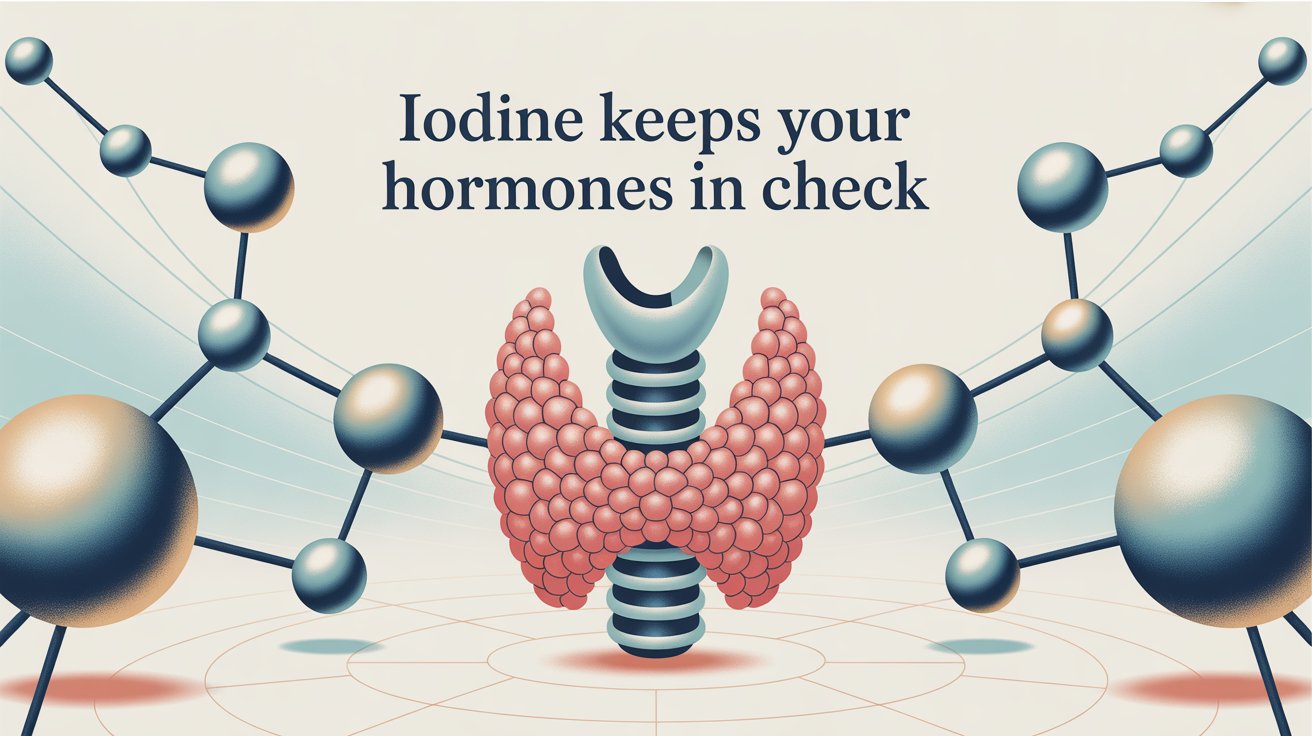
Your thyroid gland is a powerhouse that converts iodine into the hormones triiodothyronine (T3) and thyroxine (T4). These two tiny molecules regulate almost everything—your heart rate, metabolism, digestion, brain activity, and even your mood.
Without iodine, your thyroid literally can’t produce these hormones, and everything begins to slow down. Vegans are especially prone to iodine deficiency due to limited sources.
When the Thyroid Struggles
When this happens, the pituitary gland in your brain releases more thyroid-stimulating hormone (TSH) in an attempt to “wake up” the thyroid. High TSH levels are often one of the first signs of iodine deficiency.
If left untreated, this process can lead to hypothyroidism or goiter (a visible swelling of the thyroid gland).
Beyond the Thyroid: Iodine in Other Tissues
Here’s where it gets even more interesting—iodine isn’t just a thyroid nutrient. It’s also stored in other tissues like the breasts, ovaries, prostate, and even the brain.
This explains why iodine deficiency doesn’t only show up as fatigue or weight gain but can also manifest as brain fog, fibrocystic breast changes, and mood disturbances.
Rebalancing the System
When you supply your thyroid with enough iodine, it’s like flipping a switch. Your energy stabilizes, your metabolism revs up, and your body starts producing hormones in harmony again. Think of it as refueling your body’s master control center.
Common Signs and Symptoms of Iodine Deficiency
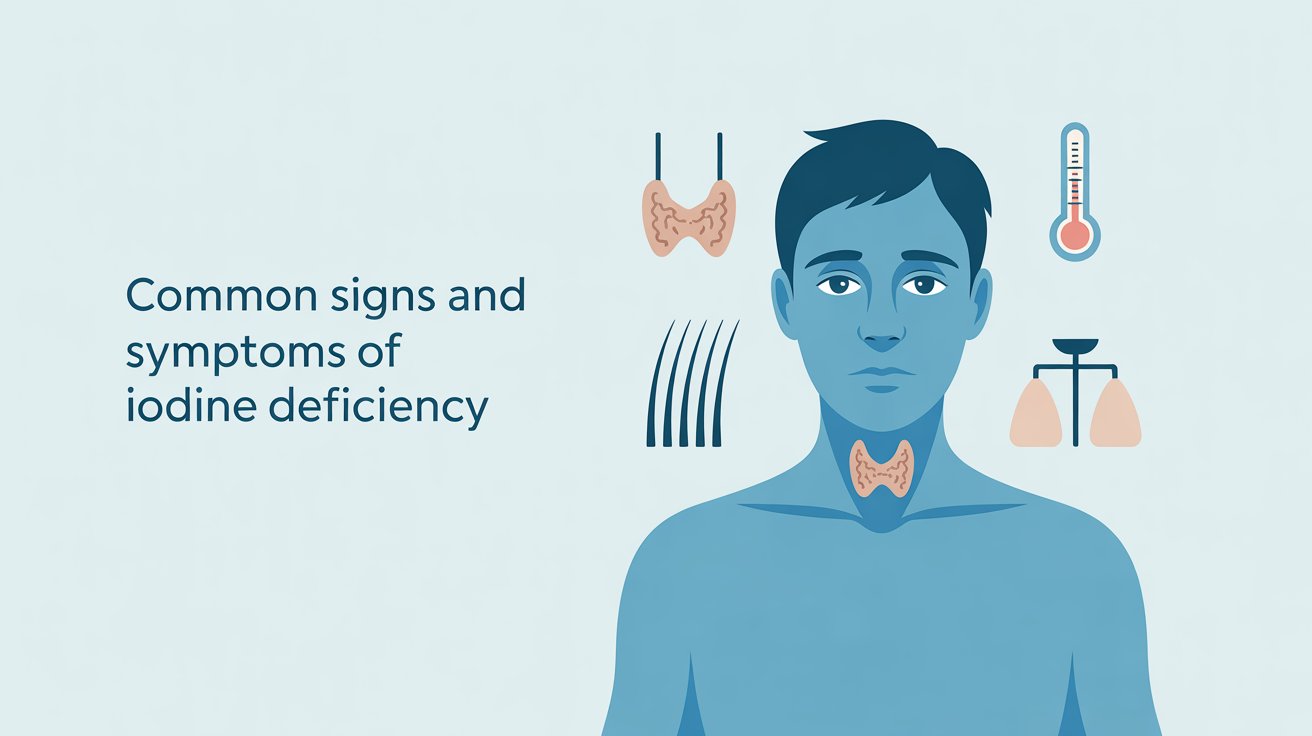
Iodine deficiency can sneak up on you, showing symptoms so subtle that you might dismiss them as everyday stress or aging. Yet, if you pay attention, your body sends clear signals.
Physical Symptoms
- Constant fatigue – Feeling drained even after sleeping well.
- Weight gain or difficulty losing weight – A sluggish metabolism makes it harder to burn calories.
- Cold intolerance – Always feeling chilly, even when others aren’t.
- Dry skin and brittle nails – Low thyroid function affects skin cell turnover.
- Hair thinning or loss – Iodine deficiency weakens hair follicles.
Mental and Emotional Symptoms
- Brain fog – Trouble focusing, poor memory, or mental fatigue.
- Depression or mood swings – Hormonal imbalance influences neurotransmitters.
- Irregular periods or fertility issues – Disrupted estrogen and progesterone balance.
- Goiter (swelling in the neck) – The thyroid enlarges to capture more iodine.
It’s important to note that these symptoms can appear gradually. Many people live for years with mild deficiency without realizing it.
Doctors may misdiagnose them with depression, adrenal fatigue, or just “aging.” The good news? Once iodine levels are restored, most of these symptoms can dramatically improve.
Who Is Most at Risk of Iodine Deficiency?
Certain groups are far more likely to be deficient in iodine due to lifestyle, diet, or environmental exposure. Understanding who’s at risk can help prevent long-term health issues.
High-Risk Groups
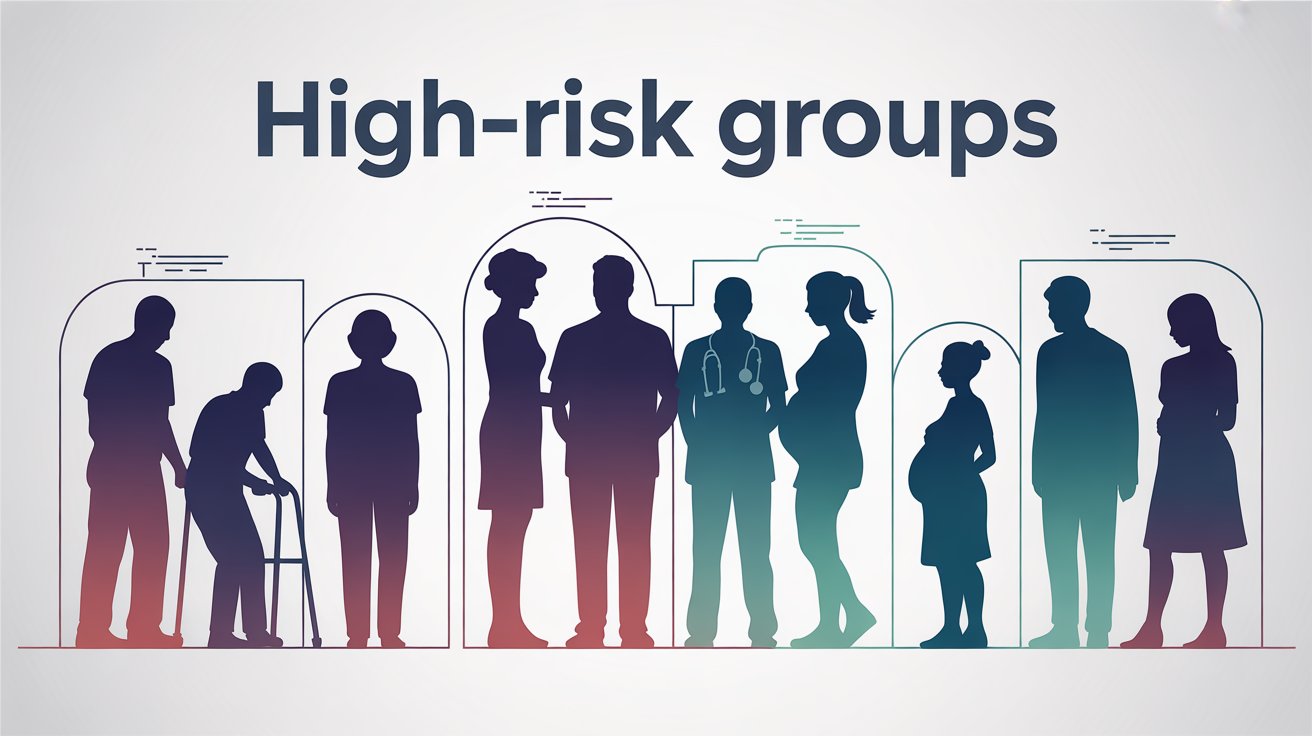
- Vegans and vegetarians – Plant-based foods generally contain little iodine, unless fortified or grown near the sea.
- People avoiding table salt – With the push toward low-sodium diets, many have reduced or eliminated iodized salt, the main iodine source for decades.
- Pregnant and breastfeeding women – These stages demand more iodine to support both mother and baby’s thyroid and brain development.
- People living far from the sea – Inland populations consume less seafood and seaweed, two of the richest iodine sources.
- Individuals exposed to halogens (fluoride, chlorine, bromine) – These chemicals compete with iodine for absorption, reducing its availability.
Environmental and Dietary Challenges
Environmental toxins, processed foods, and soil depletion have made iodine deficiency more widespread than most realize. The modern diet, filled with refined carbohydrates and minimal seafood, is a major part of the problem.
The Modern Diet Problem: Why We’re Not Getting Enough Iodine
Despite living in an age of food abundance, iodine deficiency is quietly making a comeback. How is that possible? The answer lies in how our diets have changed over the last few decades.
Once upon a time, people consumed iodine naturally through fresh seafood, dairy from grass-fed cows, and mineral-rich vegetables. Today, ultra-processed foods dominate the menu — and most of them are completely devoid of iodine.
The Iodized Salt Misconception
One of the biggest misconceptions is that iodized salt provides all the iodine you need. Unfortunately, that’s rarely true anymore. Many households have switched to gourmet salts like Himalayan pink salt or sea salt, which often lack added iodine.
Even when people use iodized salt, the amount of iodine can evaporate over time due to moisture and light exposure, leaving you with much less than expected.
Decline in Natural Iodine Sources
Moreover, dairy — once a major iodine source — now contains less iodine due to changes in animal feed and farming practices. Add to that the rising popularity of plant-based milks, and iodine intake drops even further.
For those avoiding bread, here’s another twist: decades ago, iodine-based dough conditioners used in commercial bread contributed significantly to iodine intake. They’ve since been replaced by bromine-based compounds, which not only lack iodine but can actually block iodine absorption.
Environmental Factors at Play

Then there’s the environmental factor. Soil depletion caused by overfarming means that even vegetables grown inland have lower iodine content than they did a century ago.
Combine all of this, and you get a perfect storm of iodine scarcity — even in developed countries.
The Reality Check
So, while most of us assume our diet covers all our bases, the reality is that the modern diet often lacks key micronutrients like iodine.
If you rely heavily on processed foods, eat out frequently, or follow restrictive diets, it’s worth rethinking how much iodine you’re truly getting.
Top Natural Sources of Iodine
Fortunately, nature provides several excellent iodine sources — many of which can easily be incorporated into your meals. Here are some of the most iodine-rich foods you can enjoy:
Best Food Sources
- Seaweed (Kelp, Nori, Wakame, Kombu) – The king of iodine sources. Even a small amount of kelp can provide your daily requirement. However, moderation is key since too much iodine can also cause thyroid issues.
- Fish and Seafood – Cod, tuna, shrimp, and oysters are all high in iodine. Wild-caught varieties are especially beneficial for their omega-3 fatty acids.
- Dairy Products – Milk, yogurt, and cheese contain varying levels of iodine depending on the animal’s diet. Choose grass-fed options whenever possible.
- Eggs – Particularly the yolks, which naturally contain iodine and other thyroid-supporting nutrients like selenium.
- Iodized Salt – Still a reliable source when used in moderation. Store in a cool, dry place to prevent iodine loss.
- Cranberries and Strawberries – While not as rich as seaweed or fish, these fruits contain trace amounts that can support overall intake.
Quick Reference: Iodine Content by Food
| Food Source | Approximate Iodine (µg per serving) |
|---|---|
| Kelp (1g) | 2000–3000 µg |
| Cod (3 oz) | 100–130 µg |
| Yogurt (1 cup) | 75–90 µg |
| Egg (1 large) | 25–30 µg |
| Iodized Salt (¼ tsp) | 70–90 µg |
Key Takeaway
Incorporating a variety of these foods ensures a balanced iodine intake without the need for excessive supplementation.
The key is consistency — a little bit daily goes a long way toward maintaining thyroid health and energy levels.
Plant-Based and Vegan Diets: A Special Consideration
If you follow a vegan or plant-based lifestyle, getting enough iodine requires extra mindfulness. While this way of eating has many health benefits, it can also unintentionally lead to micronutrient gaps — iodine being one of the most common.
Bridging the Gap
The best option is seaweed. Varieties like nori (used in sushi), wakame, and kelp can provide all the iodine you need — but moderation is crucial.
Some seaweeds, particularly kelp, contain extremely high iodine levels, which can overwhelm the thyroid if eaten in excess. Stick to one or two small servings per week or opt for standardized iodine supplements derived from seaweed.
Fortified Options and Smart Choices
Additionally, some plant-based milks and salts are fortified with iodine, so check the labels carefully. Another simple trick: use iodized salt in cooking if your diet allows it — even a small pinch added to soups or salads can help maintain adequate intake.
Managing Goitrogenic Foods
Vegans should also be cautious about goitrogenic foods — cruciferous vegetables like broccoli, kale, and cauliflower. While these are very healthy, they can interfere with iodine absorption if eaten in large quantities raw.
Cooking them lightly (steaming or sautéing) helps neutralize this effect.
Monitor Your Levels
Ultimately, if you’re plant-based, consider having your iodine and thyroid levels checked periodically. This small step can prevent years of fatigue, mood swings, or hormonal disruptions linked to iodine deficiency.
As highlighted by the NIH Office of Dietary Supplements, seafood and seaweed are the richest natural sources of iodine.
How to Test for Iodine Deficiency
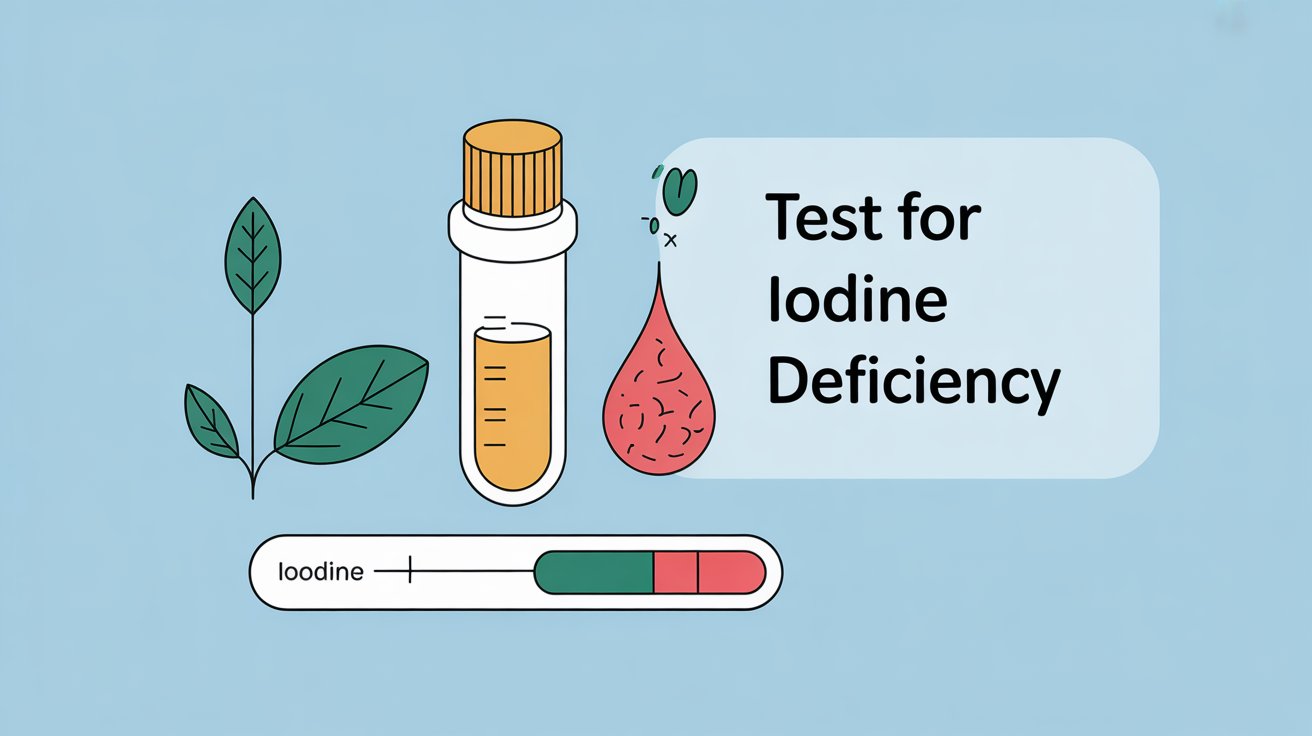
If you suspect you might be low in iodine, the first step is testing — because guessing can do more harm than good. Too little iodine can slow your thyroid, but too much can overstimulate it. Thankfully, there are several reliable ways to check your levels accurately.
1. Urinary Iodine Concentration (UIC) Test
The most accurate test is the urinary iodine concentration (UIC) test, since over 90% of the iodine you consume is excreted through urine.
A doctor can order this simple lab test to determine your average iodine intake.
2. Iodine Loading Test
Another useful method is the iodine loading test, which measures how much iodine your body retains versus excretes after taking a specific iodine dose.
Low excretion usually means your body is iodine-deficient.
3. The Iodine Patch Test (Myth vs. Reality)
You might also hear about the iodine patch test, a popular at-home method where you apply a drop of iodine to your skin and watch how fast it disappears.
While easy and inexpensive, it’s not scientifically reliable — skin absorption and evaporation vary greatly from person to person.
4. Thyroid Function Tests
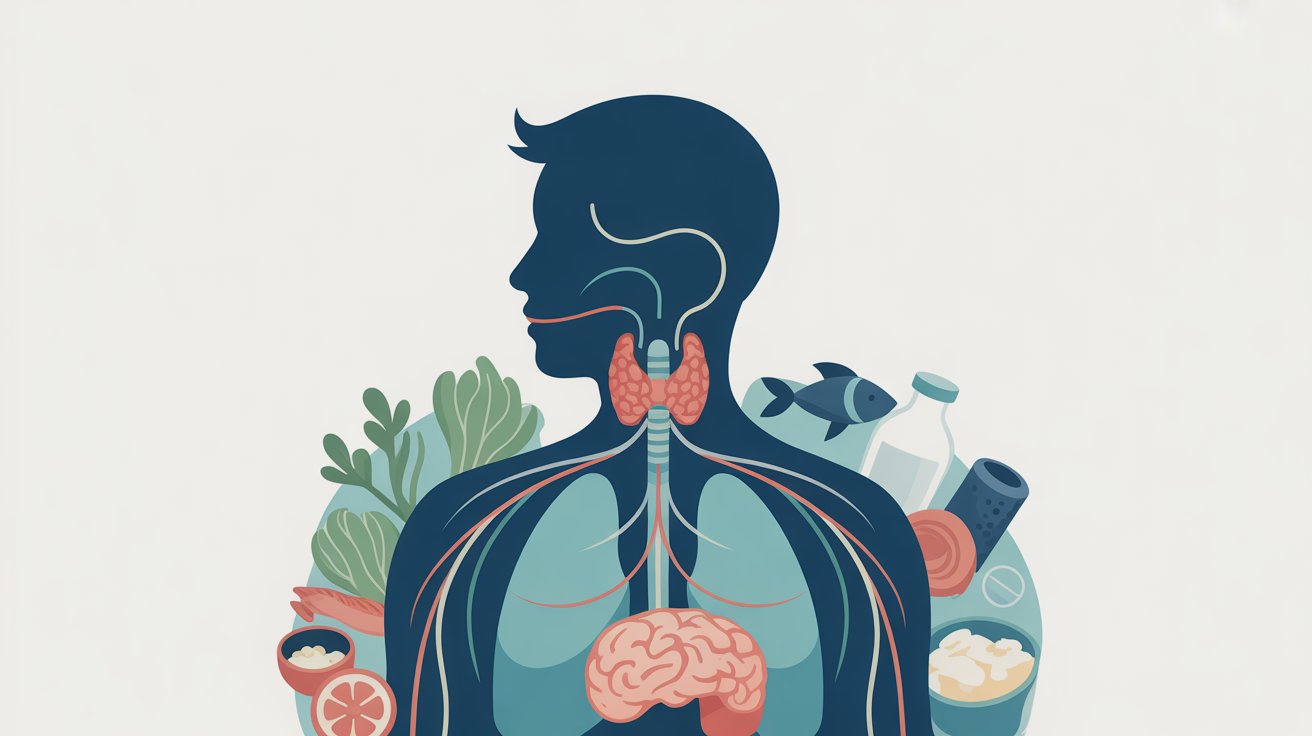
Another important clue comes from thyroid function tests. Measuring your TSH (Thyroid-Stimulating Hormone), Free T3, and Free T4 levels can reveal whether your thyroid is underperforming, which often happens due to iodine deficiency.
If your TSH is high and T3/T4 levels are low, iodine could be part of the problem.
5. Professional Assessment
For the most accurate results, consult an endocrinologist or a holistic practitioner familiar with iodine and thyroid health.
A professional evaluation helps you avoid unnecessary self-supplementation — which, ironically, can sometimes cause the same symptoms as deficiency.
The Right Way to Supplement with Iodine
When it comes to iodine supplementation, balance is everything. The body needs only a trace amount — too little leads to thyroid sluggishness, and too much can cause inflammation or hyperthyroidism.
Iodine requirements, as defined by the Recommended Dietary Allowance (RDA), differ according to age and life stage.
| Group | Daily Recommended Iodine (µg) |
|---|---|
| Adults | 150 µg |
| Pregnant women | 220 µg |
| Breastfeeding women | 290 µg |
| Children (1–8 years) | 90 µg |
Common Supplement Forms
Most iodine supplements come as potassium iodide (KI) or iodine drops.
Another traditional option is Lugol’s solution — a liquid blend of iodine and potassium iodide used for over a century to support thyroid and immune health.
Start Low, Go Slow
When starting supplementation, begin with the lowest dose possible and increase gradually under medical supervision.
Taking high doses suddenly can shock your thyroid, especially if you’ve been deficient for years.
Iodine’s Nutrient Partners
Iodine doesn’t work alone — it functions synergistically with selenium, zinc, magnesium, and vitamin A.
Selenium, in particular, is crucial for converting T4 (inactive) into T3 (active) thyroid hormone.
Without it, iodine supplementation may not be effective and could even cause oxidative stress in the thyroid.
Avoid the “Mega-Dose” Trap
Beware of high-dose iodine trends circulating online. While some claim large doses detoxify the body, excessive iodine can trigger thyroiditis or worsen autoimmune conditions like Hashimoto’s disease.
Always aim for steady, sustainable intake — not extremes.
Iodine and Women’s Health: Fertility, Pregnancy, and Breastfeeding
Women’s bodies have a special relationship with iodine. Beyond thyroid function, iodine supports reproductive health, fertility, and breast tissue integrity. Unfortunately, women are more prone to iodine deficiency due to hormonal fluctuations and increased demands during pregnancy and lactation.
Pregnancy: The Critical Window
During pregnancy, a woman’s iodine needs rise by about 50%.
The developing baby depends entirely on the mother’s iodine intake for thyroid hormone production — essential for brain and nervous system development.
Insufficient iodine during pregnancy has been linked to:
- Lower IQ in children
- Developmental delays
- Higher risk of miscarriage or preterm birth
Breastfeeding and Postpartum
For breastfeeding mothers, iodine continues to be crucial. It passes through breast milk, ensuring the baby receives enough to support growth.
That’s why doctors often recommend prenatal or postnatal vitamins containing at least 150 µg of iodine.
Fertility and Hormonal Balance
Iodine also impacts fertility and menstrual health. Women with low iodine levels often experience irregular periods, ovarian cysts, and PMS symptoms due to hormonal imbalance.
Research suggests a link between iodine deficiency and fibrocystic breast disease, characterized by painful lumps or tenderness.
Adequate iodine helps regulate estrogen metabolism, keeping breast tissue healthy and less sensitive to hormonal fluctuations.
The Takeaway for Women
If you’re planning to conceive, pregnant, or breastfeeding, ensuring proper iodine intake is non-negotiable.
It’s one of the simplest ways to protect both your hormonal health and your baby’s development.
Restoring Balance: Lifestyle Tips to Support Iodine Absorption
Fixing iodine deficiency isn’t just about eating seaweed or taking supplements — it’s also about improving how your body absorbs and utilizes iodine.
A few smart lifestyle adjustments can make a world of difference.
1. Limit Halogen Exposure
Halogens like fluoride, bromine, and chlorine compete with iodine for thyroid receptors.
These are found in tap water, dental products, and processed foods.
Use a water filter and fluoride-free toothpaste whenever possible.
2. Support Your Gut
A well-functioning digestive system plays a vital role in absorbing nutrients effectively.
Include probiotics, fiber, and fermented foods like yogurt or sauerkraut to support gut health.
3. Reduce Stress
Chronic stress raises cortisol, which suppresses thyroid function.
Practice mindfulness, deep breathing, or gentle exercise like yoga to restore balance.
4. Balance Your Minerals
Selenium, magnesium, and iron are necessary for thyroid hormone production and iodine metabolism.
A whole-food diet rich in nuts, seeds, and leafy greens supports these needs.
5. Cook Goitrogenic Foods
Vegetables like cabbage, kale, and soy products can block iodine absorption when eaten raw in large amounts.
Light steaming or sautéing neutralizes this effect while keeping nutrients intact. Testing for iodine deficiency is a simple yet powerful step toward understanding the root cause of chronic fatigue and hormonal imbalance.
Small Steps, Big Impact
Small, consistent changes — like adding sea vegetables, switching to iodized salt, and reducing halogen exposure — can gradually restore balance, boosting your energy, mood, and metabolism.
Conclusion: Take Charge of Your Hormonal and Energy Health
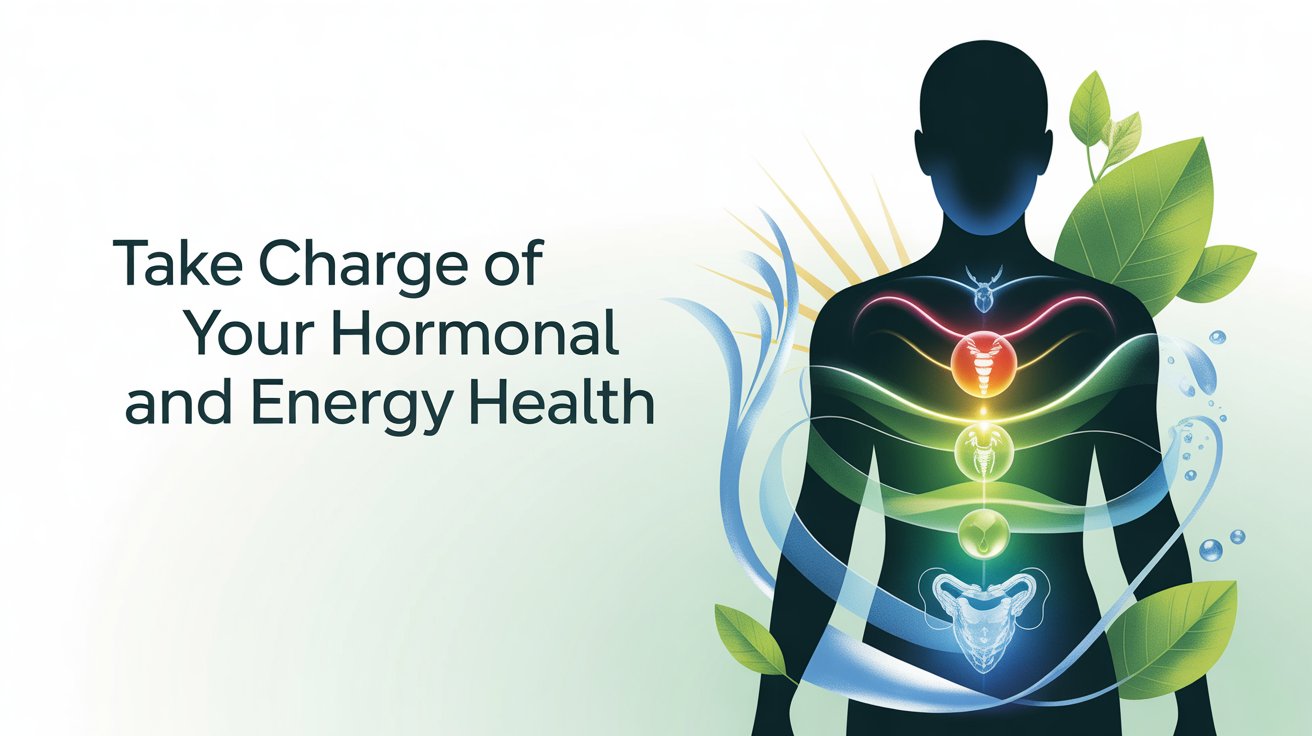
Iodine may be a trace mineral, but its impact is enormous.
From powering your metabolism and stabilizing your hormones to enhancing fertility and sharpening your mind, iodine is foundational to vibrant health.
Sadly, in today’s world of processed foods, refined diets, and environmental toxins, iodine deficiency has become a silent epidemic.
The Good News

You can fix it — naturally.
By eating iodine-rich foods, supporting your thyroid with complementary nutrients, and minimizing halogen exposure, you can reclaim your energy and hormonal balance.
Remember: your thyroid is the command center of your body’s energy — and iodine is its fuel.
So, ask yourself again: Are you getting enough iodine — or could an iodine deficiency be silently affecting your energy and hormones?
If not, now’s the perfect time to start paying attention. Your body, mind, and hormones will thank you.
For more on overall wellness, explore Sodium Benefits.
FAQs
1. How do I know if I’m getting enough iodine daily?
You can estimate your intake from diet or confirm through a urinary iodine test.
If you regularly eat seafood, dairy, or use iodized salt, you’re likely meeting your needs.
2. Can I get enough iodine without using salt?
Yes. Seaweed, fish, eggs, and dairy are natural sources. Supplements can help if dietary intake is insufficient.
3. Are iodine supplements safe for everyone?
Most people tolerate low-dose supplements well, but those with thyroid disorders or autoimmune issues should consult a doctor first.
4. Does cooking destroy iodine in food?
Iodine is heat-sensitive, but moderate cooking retains most of it. Avoid overcooking seafood or seaweed to preserve iodine content.
5. What’s the best way to balance iodine naturally?
Eat a varied diet with seafood, seaweed, eggs, and dairy; use iodized salt in moderation; and ensure adequate selenium to support thyroid health.