


Table of Contents
Introduction: Understanding Calcium-Rich Foods and Why They Matter
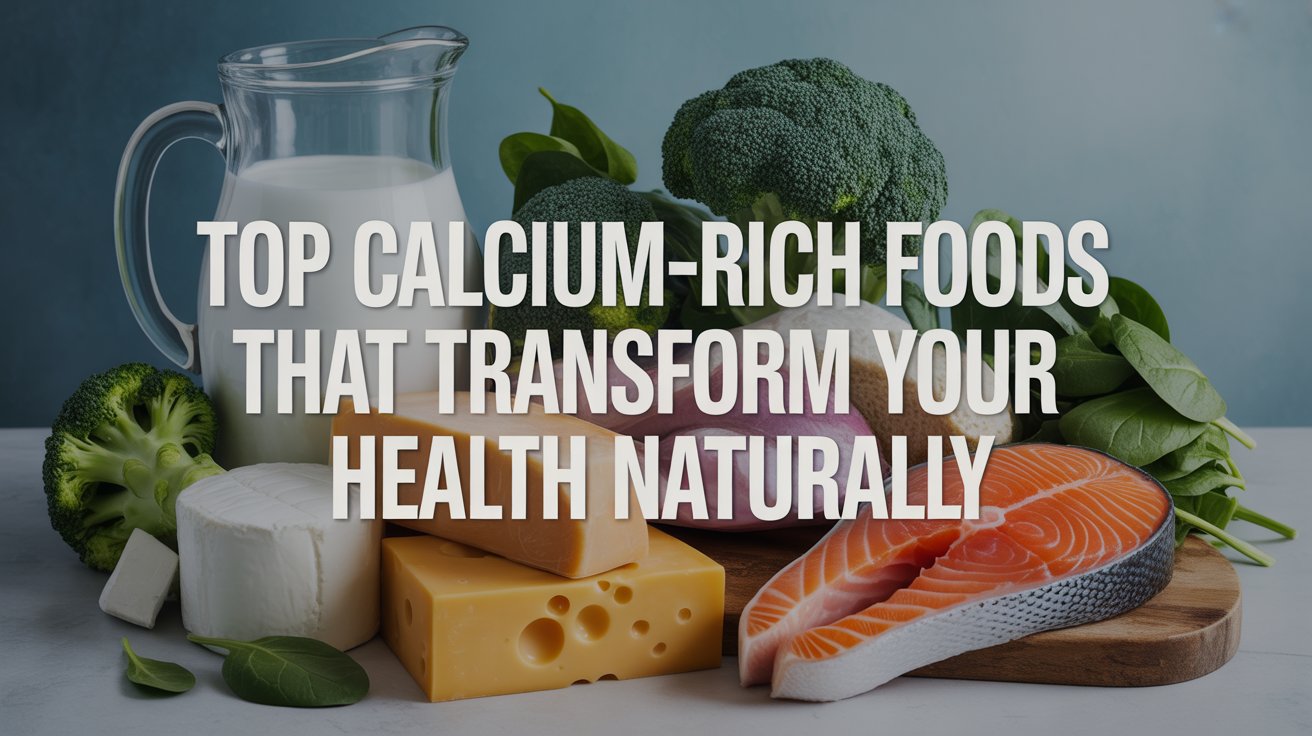
Calcium is one of those nutrients everyone talks about, yet most people barely get enough of it. You’ve probably heard phrases like “calcium strengthens your bones” since childhood—but the truth is, calcium does far more than that. It powers your muscles, supports nerve transmission, regulates heartbeat, and even influences your hormone balance. When your body doesn’t get enough, it steals calcium from your bones like a secret “backup savings account,” eventually leading to weakness, fractures, brittle nails, tooth decay, muscle spasms, and long-term bone issues. Calcium-rich foods play an essential role in supporting strong bones and long-term health.
So, where should you get your calcium from? Here’s where the debate begins.
Some people swear by plant-based sources, arguing they’re cleaner, natural, fiber-rich, and better absorbed. Others rely on animal-based sources, which offer concentrated calcium, complete nutrients, and predictable absorption. Including a variety of calcium-rich foods in your diet helps improve nutrient balance naturally. With health-conscious diets becoming more popular, the question is no longer “Are you getting enough calcium?” but rather “What type of calcium is best for you?”
That’s exactly what this article will help you understand.
We’ll break down the science into simple language, explore the best natural food sources, compare plant and animal calcium, uncover myths, and give you clear answers you can actually use in your everyday life. Whether you’re vegan, vegetarian, or someone who loves dairy, you’ll finally know which calcium sources suit your body, lifestyle, and long-term health goals.
Many people underestimate how powerful calcium-rich foods can be for overall wellness. Think of this guide as your personal roadmap—detailed, science-backed, and easy enough for anyone to follow. By the end, you’ll know exactly which foods can help you strengthen your bones, improve your energy levels, and support your overall health, naturally and sustainably.
Let’s dive in and discover the world of calcium-rich foods—one that can truly transform your health from the inside out.
What Is Plant-Based Calcium?
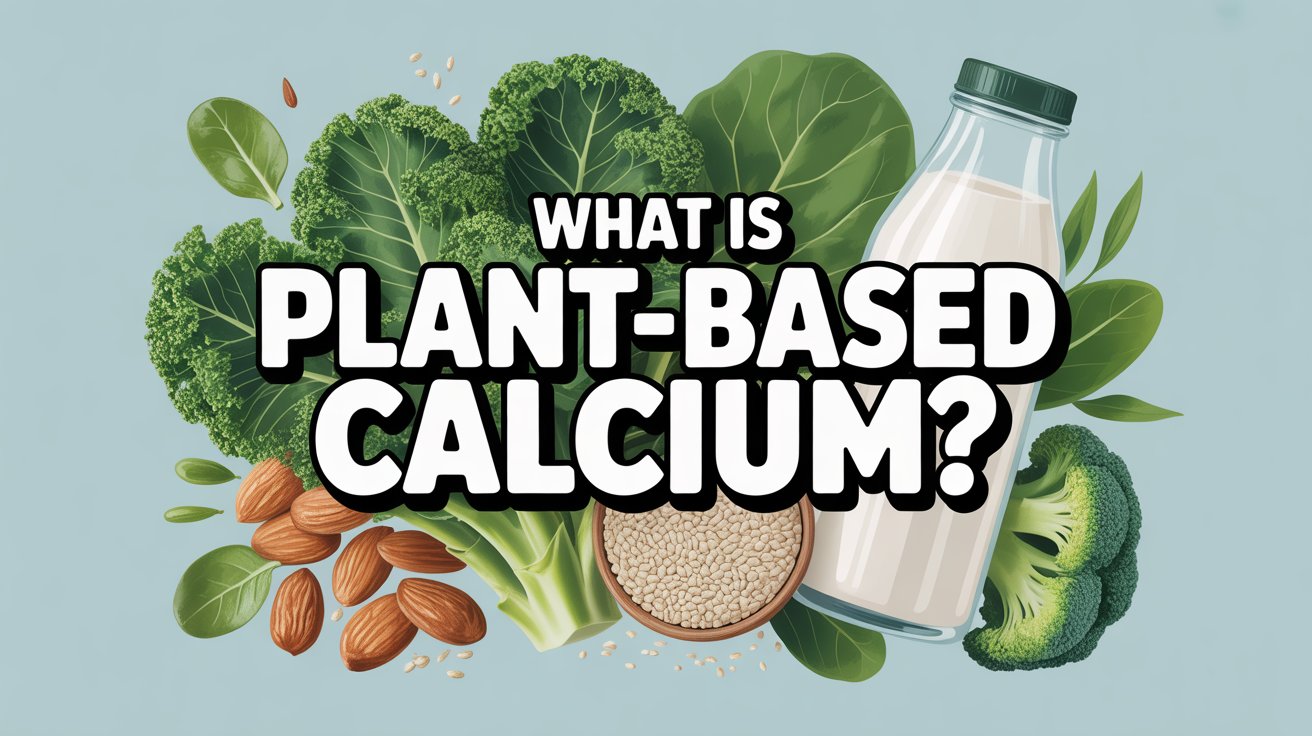
When people hear the phrase “calcium-rich foods,” their minds often jump straight to dairy—milk, cheese, yogurt. But the truth is, calcium comes from many sources, and plants are actually one of the oldest and purest sources of this mineral. Long before humans domesticated cows, they relied almost entirely on plants for all their nutrients, including calcium.
So what exactly is plant-based calcium?
Plant-based calcium refers to calcium that naturally occurs in vegetables, nuts, seeds, grains, legumes, and fruits. It isn’t added artificially or processed; it sits inside the plant’s cellular structure, formed through natural soil absorption. Choosing calcium-rich foods daily ensures your body meets its mineral requirements. Plants pull minerals like calcium from the ground through their roots, lock them into their leaves, stems, and seeds, and store them in forms the human body can use. Some of the best calcium-rich foods are surprisingly easy to add to everyday meals.
Why does this matter? Because the quality of calcium varies based on origin. Plant-based calcium typically comes packaged with:
- Fiber – supports digestion
- Phytonutrients – plant compounds that protect your cells
- Antioxidants – reduce inflammation
- Magnesium and potassium – nutrients essential for calcium balance
- Zero saturated fat or cholesterol
But here’s the interesting part: not all plant calcium is absorbed equally. Bioavailability—how much your body actually absorbs—depends on natural compounds inside plants, like oxalates and phytates. Some foods, such as spinach, contain high calcium but also high oxalates, which reduce absorption. People who regularly consume calcium-rich foods tend to have better bone density scores. Meanwhile, foods like bok choy, kale, and broccoli offer lower total calcium but provide superior absorption.
Plant calcium is increasingly popular among people who avoid dairy due to lactose intolerance, ethical reasons, or personal preference. Adding more calcium-rich foods to your routine can reduce the need for supplementation. It’s also ideal for people who prefer lighter, cleaner sources of nutrients.
In simple terms, plant-based calcium is calcium in its most natural, earth-derived form—mineral-rich, nutrient-dense, and part of foods that nourish your body in multiple ways at once. Both plant and animal calcium-rich foods offer unique benefits that support your health.
Why Plant Calcium Absorption Varies
Part 1: Bioavailability Factors
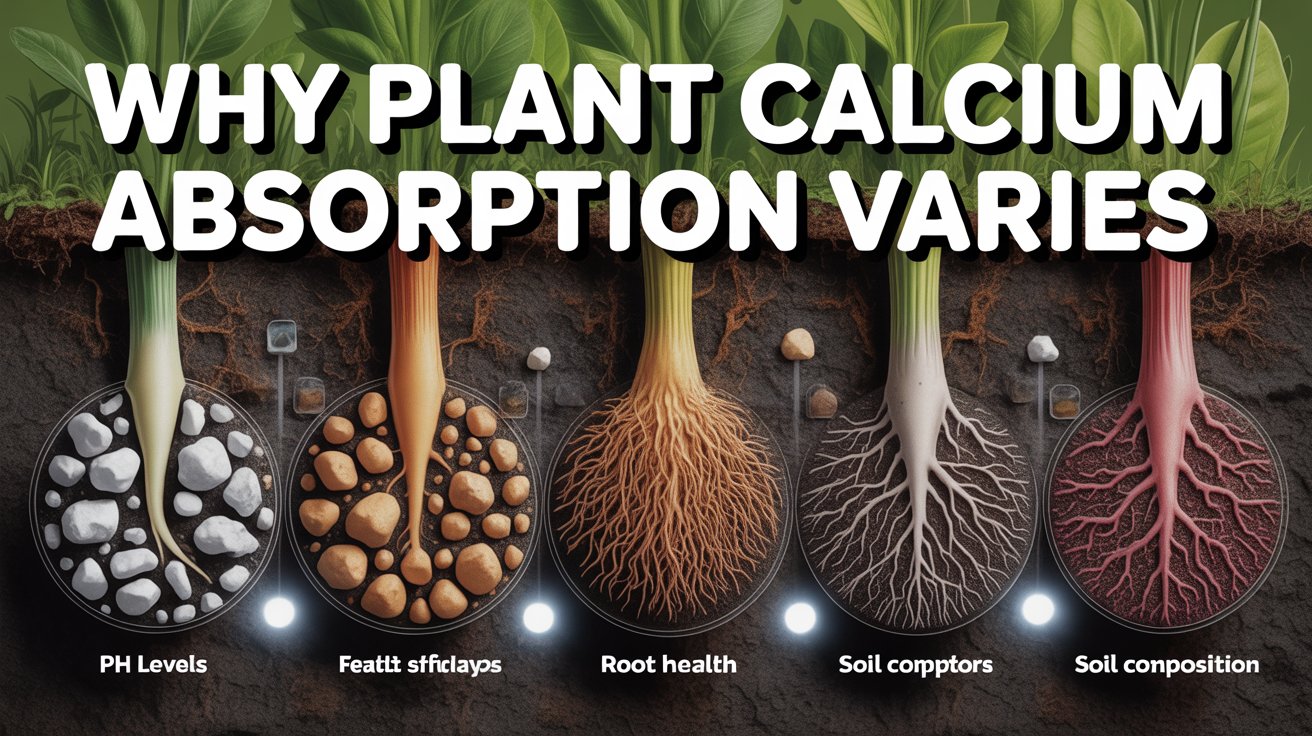
Plant calcium absorption is one of the most misunderstood nutrition topics. You may look at a chart and think, “Spinach has so much calcium, so it must be amazing!” But the body works differently than simple numbers on a page.
Not all calcium enters your bloodstream at the same rate. This is where the concept of bioavailability becomes crucial. Bioavailability refers to the percentage of calcium your body can absorb and use. Calcium-rich foods are especially important for children, teens, and aging adults. And when it comes to plant foods, absorption varies due to several natural plant compounds.
1. Oxalates
Oxalates are natural compounds found in leafy greens. Some foods—like spinach, beet greens, and Swiss chard—contain high oxalates that bind to calcium. When this binding occurs, your body absorbs very little of the calcium.
Example:
Spinach has about 250 mg of calcium per cup, but you absorb only around 5%. That’s almost nothing.
2. Phytates
Nuts, seeds, grains, and legumes contain phytates, which also reduce mineral absorption. However, cooking, soaking, sprouting, or fermenting lowers phytates significantly.
- Soaked almonds → more absorbable calcium
- Sprouted seeds → better mineral bioavailability
3. Fiber Content
Fiber is incredible for the gut, but extremely high-fiber foods may slightly reduce mineral absorption. Still, the benefits of fiber outweigh the small loss.
4. Mineral Competition
Calcium competes with minerals like iron, magnesium, and zinc for absorption. Foods with balanced mineral ratios—like sesame seeds or broccoli—are ideal.
5. Food Matrix
The food matrix refers to the overall composition of a food. Some plants naturally combine calcium with magnesium, vitamin K, vitamin C, and prebiotics—an excellent combination for absorption.
This is why foods like kale, bok choy, okra, and broccoli outperform spinach despite having less total calcium.
The Good News
Many plant foods have calcium absorption levels similar to or even better than dairy. You just need to know which ones.
If your energy levels are low, calcium-rich foods may help improve your vitality. Understanding bioavailability helps you choose smarter—not just based on numbers, but on how your body actually benefits. And once you pick the right foods, plant-based calcium becomes incredibly powerful. Experts consistently recommend calcium-rich foods as part of a balanced nutrition plan.
Best Plant-Based Calcium Sources
Part 2: Top Foods Explained
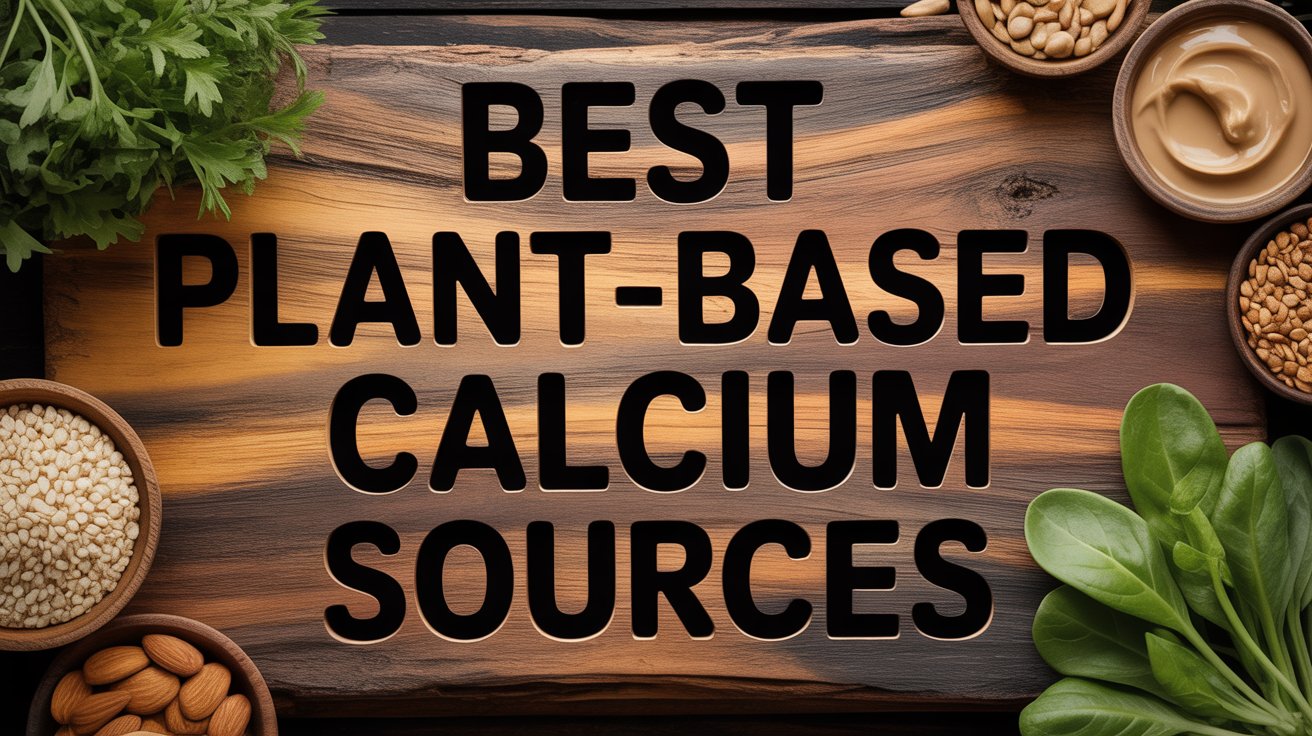
Now let’s explore the real stars of the plant world—foods that deliver meaningful, absorbable calcium that strengthens your bones, supports your muscles, and fuels your overall health.
Some calcium-rich foods also contain magnesium and vitamin K, supporting absorption. These foods are not only rich in calcium but also come with vitamins, antioxidants, phytonutrients, and anti-inflammatory benefits you won’t find in dairy.
1. Kale
Kale is one of the best-absorbed plant calcium sources. Low in oxalates, high in vitamins K and C, and rich in magnesium, your body absorbs around 50–60% of its calcium—much higher than spinach.
2. Bok Choy
A superstar for bioavailability, bok choy provides around 160 mg of calcium per cooked cup with excellent absorption. Its mild flavor makes it easy to add to soups, stir-fries, and salads.
3. Broccoli
Broccoli offers around 60 mg per cup, but because of its low oxalate content, your body absorbs it efficiently. Plus, it supports detoxification and hormonal balance.
4. Sesame Seeds / Tahini
Just one tablespoon of sesame seeds contains 88 mg of calcium. Tahini, a paste made from these seeds, is even more concentrated and extremely easy to absorb.
5. Almonds
Almonds provide calcium, healthy fats, plant protein, and magnesium—all essential for bone strength. A handful of almonds can deliver more calcium than many dairy servings.
6. Chia Seeds
A single tablespoon contains around 76 mg of calcium and comes with omega-3s and fiber—great for digestion and heart health.
7. White Beans & Chickpeas
These offer moderate calcium but are rich in prebiotics, protein, and minerals that support bone metabolism.
8. Fortified Plant Milks
Although fortified (not naturally occurring), plant milks like soy, almond, or oat milk often contain calcium levels equal to dairy—sometimes even higher.
9. Oranges & Figs
Oranges contain vitamin C plus calcium. Dried figs are surprisingly high in calcium and make a perfect natural snack.
10. Seaweed
Varieties like wakame and kelp offer uniquely high mineral content and are absorbed efficiently by the body.
Plant-based calcium isn’t just good—it’s powerful, diverse, and deeply nutritious, offering benefits far beyond bone health.
What Is Animal-Based Calcium?
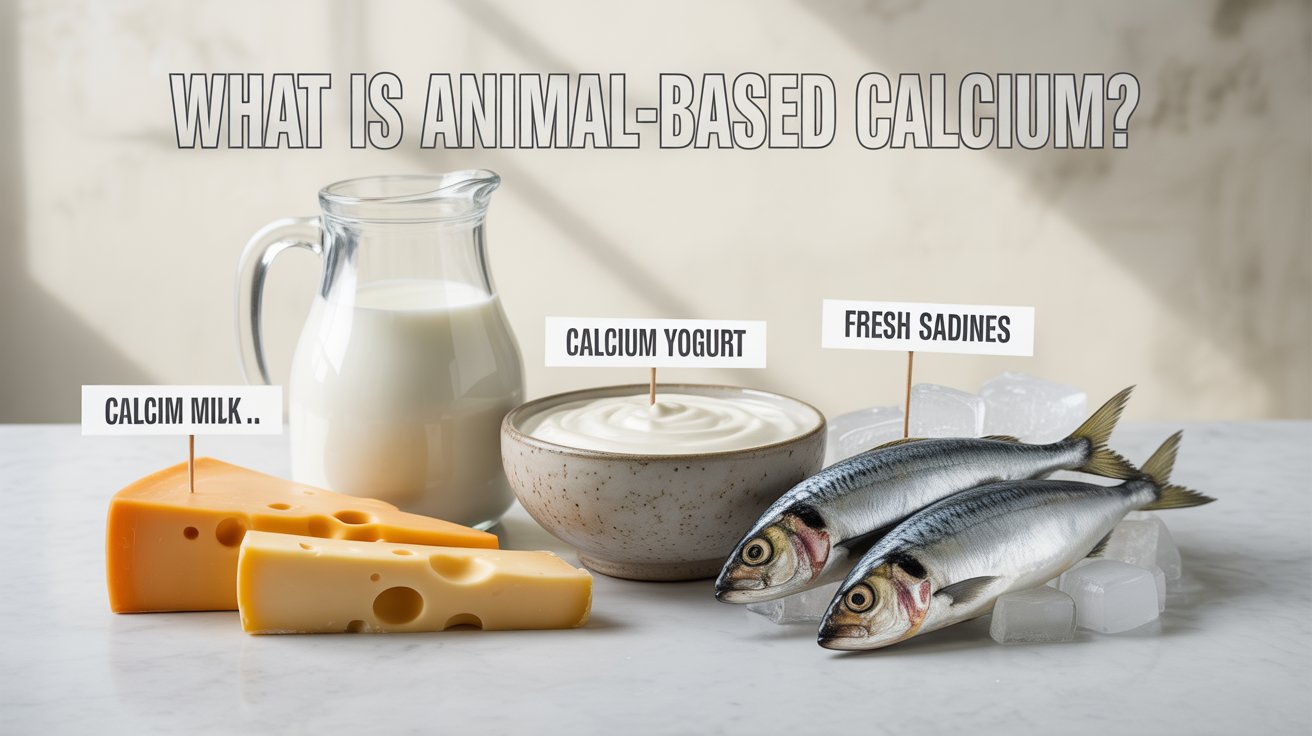
When most people think of calcium, they automatically imagine dairy—milk, cheese, yogurt, butter. And for good reason: animal-based calcium sources have been the primary form of dietary calcium for centuries in many cultures. Calcium-rich foods help maintain healthy nerve signaling and muscle function. But what makes animal calcium different, and why is it often considered more easily absorbed?
Animal-based calcium refers to calcium naturally found in foods that come from animals—primarily dairy but also from fish (especially those with edible bones), eggs, and certain animal-based fortified products. People with dietary restrictions can still enjoy a wide range of calcium-rich foods. The unique thing about animal calcium is that it comes packaged with nutrients that support calcium metabolism in very specific ways.
For example, dairy products naturally contain:
- Vitamin D (in small amounts, but still helpful)
- High-quality protein
- Phosphorus
- Potassium
- Fats that help with absorption
These nutrients don’t just sit in your stomach—they actively work together to improve how calcium is absorbed and transported to your bones and tissues. This makes dairy a “complete package” in the eyes of many nutritionists. Most calcium-rich foods are affordable, accessible, and easy to prepare at home.
Why Do Some People Prefer Animal-Based Calcium?
Higher Absorption Predictability
Dairy calcium has one of the most consistent absorption rates—about 30–35%. Plant absorption varies more, so people like the reliability of dairy.
Concentrated Calcium Sources
A single cup of milk can contain around 300 mg of calcium—equivalent to several cups of leafy greens.
Traditional Dietary Patterns
Many cultures grew up with dairy as a staple source of nutrition, making it familiar and accessible.
Taste and Versatility
Cheese, yogurt, and milk aren’t just nutritious—they’re widely loved and part of countless popular dishes.
But animal-based calcium is not perfect. Some people cannot consume dairy due to:
- Lactose intolerance
- Dairy allergies
- Digestive issues
- Personal preference
- Ethical or religious reasons
And that’s where plant-based calcium becomes important. Calcium-rich foods can significantly support hormonal balance and bone metabolism. Athletes benefit greatly from calcium-rich foods because they support muscle recovery.
Animal-based calcium isn’t inherently “better”—it’s simply structured differently, digested differently, and absorbed differently. Understanding these differences helps you make intentional choices based on your needs and health goals. Calcium-rich foods naturally strengthen the skeletal system without added supplements.
How Your Body Uses Calcium from Animal Sources
Part 1: Absorption & Utilization
Animal calcium follows a unique path when it enters your body. Its absorption and utilization differ significantly from plant calcium because of its composition and accompanying nutrients. Not all calcium-rich foods are equal, but many offer excellent bioavailability.
Here’s how your body processes animal calcium:
1. Calcium + Casein = Stable Absorption
Animal calcium, especially in dairy, is bound to casein, a milk protein that forms a gel-like structure during digestion. This slows the release of calcium, creating a steady, consistent absorption rate. Think of it like a slow-release supplement.
2. Presence of Lactose Enhances Calcium Uptake
Lactose—the natural sugar in milk—helps your intestines absorb calcium more efficiently.
(Note: People who are lactose intolerant do not gain this benefit.)
3. Vitamin D and Fat Content Improve Utilization
Some animal foods contain natural vitamin D and fats, which help transport calcium to the correct tissues. Without vitamin D, calcium absorption is drastically reduced.
4. Animal Calcium Doesn’t Compete with Anti-Nutrients
Unlike plant foods, animal products do NOT contain oxalates or phytates, which means the calcium has fewer barriers during absorption.
5. Bones, Teeth, and Hormones Benefit Directly
Once absorbed, calcium contributes to:
- Bone density
- Muscle contractions
- Heart function
- Hormone secretion
- Nervous system signaling
6. Protein Synergy Strengthens Bones
Animal proteins stimulate the release of IGF-1 (Insulin-like Growth Factor 1), which supports bone formation.
However, very high protein intake (especially without enough calcium) may slightly increase calcium loss—balance is key.
7. Fish with Edible Bones = Supercharged Calcium
Fish like sardines or salmon with bones contain calcium hydroxyapatite—a form that closely resembles the calcium in your bones, making it highly absorbable.
8. Dairy Fermentation Boosts Absorption
Foods like yogurt or kefir have probiotics that improve gut health, supporting nutrient absorption—including calcium.
A diet rich in calcium-rich foods is linked to better long-term mobility. Animal-based calcium is predictable, steady, and efficient. But you don’t need it to meet your goals—it’s simply one of the available pathways.
Best Animal-Based Calcium Sources
Part 2: Top Foods Explained
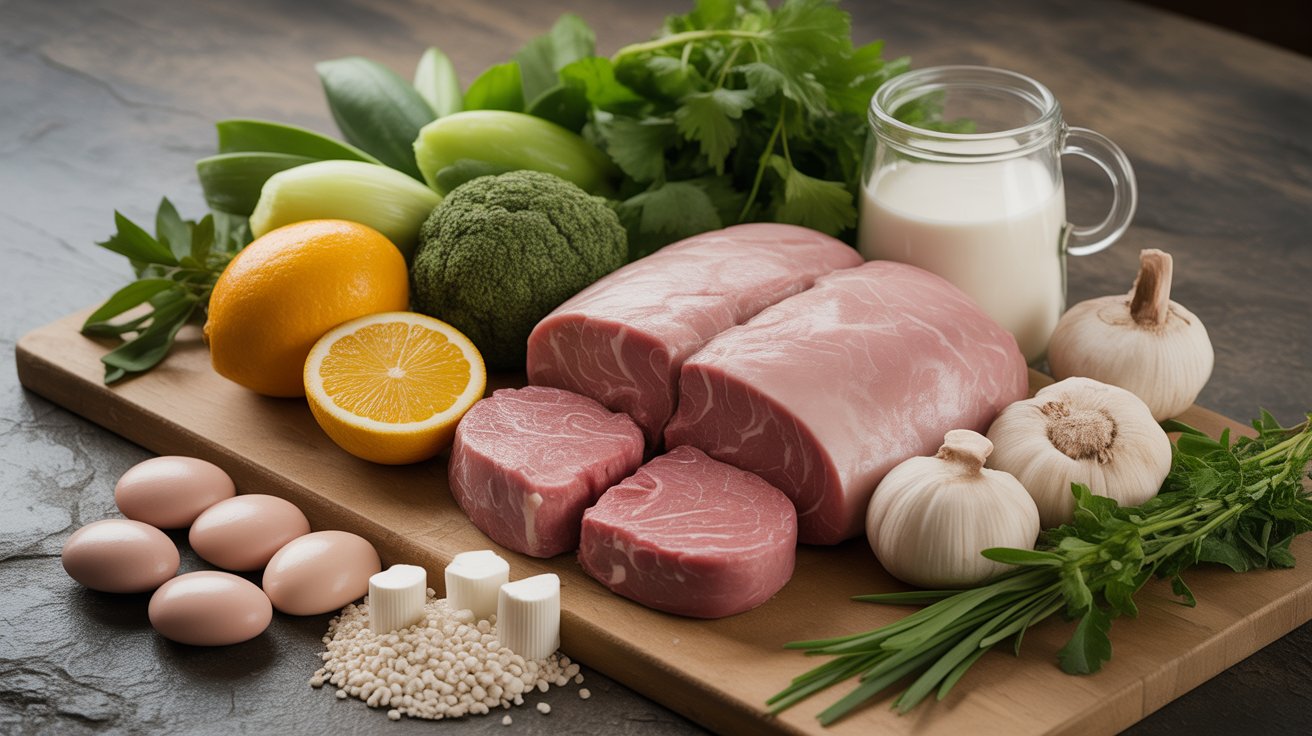
Animal-based calcium comes from a variety of foods, not just dairy. Let’s explore the most nutritious and high-impact sources you can add to your diet.
1. Milk
One of the most convenient and widely consumed calcium sources.
- ~300 mg calcium per cup
- Contains lactose, casein, and vitamin D (depending on fortification)
Milk is ideal for people who tolerate lactose well.
2. Yogurt
Yogurt offers the same calcium as milk but with added probiotics.
- Supports gut health
- Improves digestion
- Enhances nutrient utilization
Greek yogurt is lower in calcium but richer in protein.
3. Cheese
Cheese packs a concentrated dose of calcium.
Parmesan contains the highest amount—over 330 mg per ounce.
Other good options include:
- Cheddar
- Mozzarella
- Swiss
Because cheese is dense, small servings go a long way.
4. Sardines (with bones)
A calcium powerhouse.
- Around 325 mg per serving
- Comes with omega-3 fatty acids
- High absorption due to bone structure
This is one of the BEST non-dairy calcium sources on the planet.
5. Salmon (with bones)
Canned salmon with bones is extremely rich in calcium.
The soft bones can be eaten easily and blend well into dishes.
6. Eggs
Eggs offer small amounts of calcium, mainly in the yolk.
Eggshell calcium supplements are also popular (but require careful preparation).
7. Kefir
Fermented dairy that improves digestion and supports the microbiome—especially beneficial for people sensitive to regular milk.
8. Fortified Animal-Based Milk
Some milk varieties are fortified with:
- Extra calcium
- Vitamin D
- Vitamin A
These can contain more calcium than natural milk.
9. Bone Broth
While not a major calcium source, bone broth contains:
- Collagen
- Minerals
- Amino acids
These nutrients indirectly support bone and joint health.
Key Differences Between Plant-Based Calcium and Animal-Based Calcium
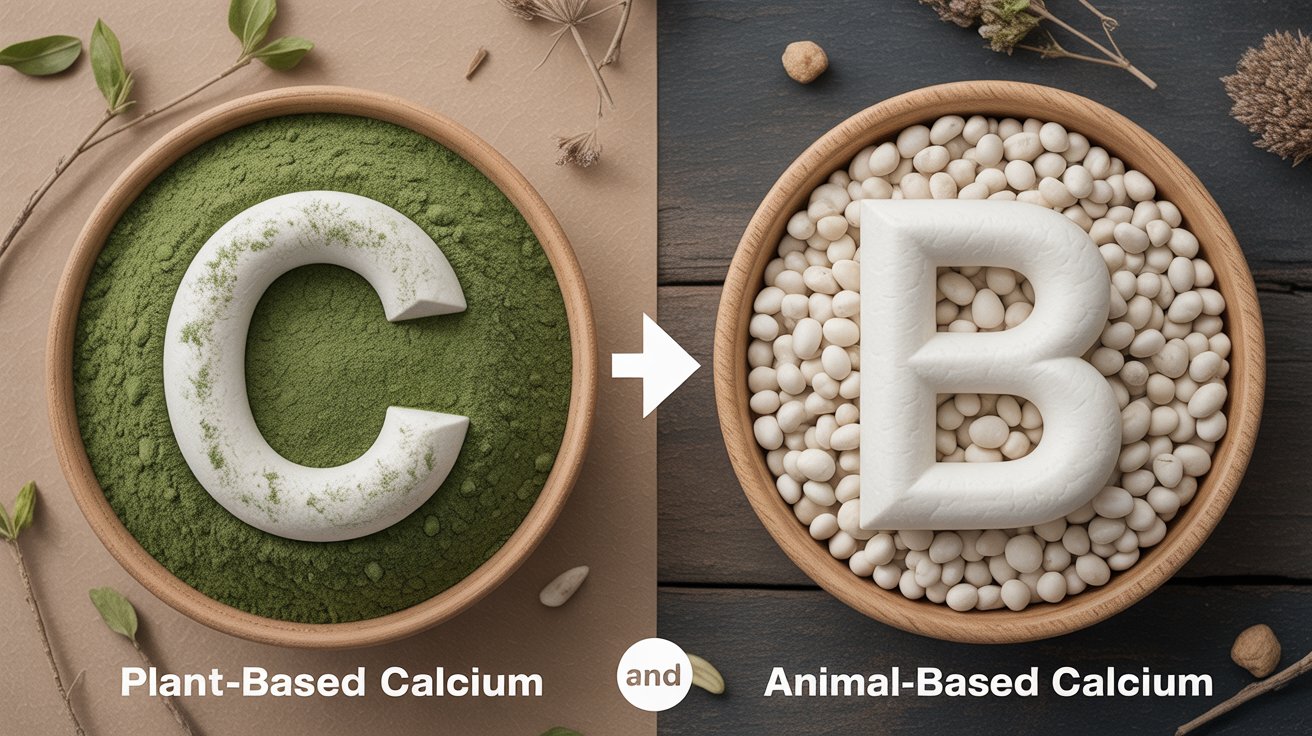
Calcium-rich foods also help regulate heart rhythm and blood pressure. Plant and animal calcium have the same chemical structure—but your body absorbs, processes, and uses them differently.
1. Bioavailability
- Plant calcium absorption varies widely.
- Animal calcium absorption is more predictable.
2. Accompanying Nutrients
Plants provide:
Fiber, antioxidants, magnesium, potassium, phytonutrients.
Animal foods provide:
Protein, fats, vitamin D, phosphorus.
3. Digestive Factors
- Plant calcium may be reduced by oxalates or phytates.
- Animal calcium may be harder to digest if lactose intolerance is present.
4. Health Profiles
- Plants support anti-inflammatory benefits.
- Dairy supports bone-specific benefits due to nutrient synergy.
5. Ethical / Dietary Considerations
- Vegetarians and vegans rely entirely on plant sources.
- Dairy consumers often mix both.
6. Environmental Impact
- Plants = lower carbon footprint
- Dairy = higher resource use
7. Tolerance
- Some people cannot digest dairy well.
- Others react to certain plant compounds.
Knowing these differences helps you choose the right pathway for your health goals and lifestyle.
Source and Processing

Understanding where calcium comes from and how it is processed helps you make smarter, healthier choices. Both plant-based and animal-based calcium sources go through different journeys before they end up on your plate. Digestive health can improve when calcium-rich foods are paired with fiber-rich meals. These differences influence not just nutrition but also taste, quality, environmental load, and overall health effects. People transitioning away from supplements can rely on whole-food calcium-rich foods.
Plant-Based Calcium Sources: Natural and Minimal Processing
Plant calcium typically comes straight from nature with minimal interference. The process is simple:
Plants absorb minerals from the soil
Roots pull in calcium, magnesium, potassium, and other nutrients.
Calcium becomes part of the plant’s structure
It’s stored in leaves, seeds, stems, fruits, and beans.
Harvesting
Most plant calcium sources don’t require industrial processing. They’re picked, washed, and sold.
Optional Processing
- Grinding seeds into tahini
- Fortifying plant milks
- Drying fruit (like figs)
In general, plant calcium is closer to its original form—clean, natural, and minimally altered.
Animal-Based Calcium Sources: More Steps, More Processing
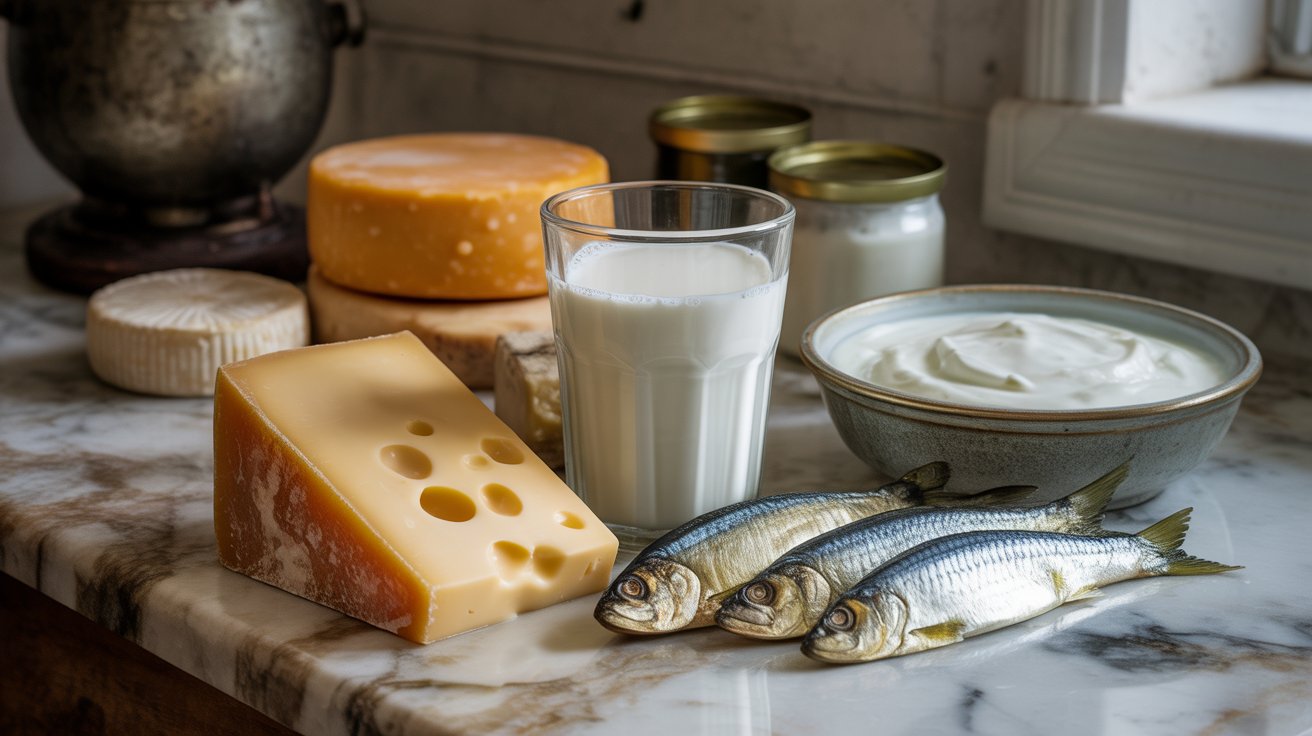
Calcium-rich foods offer a cleaner, natural way to support daily calcium needs. Animal calcium comes from dairy, fish, and eggs—and most of these involve more steps:
Feeding and Raising Animals
Animals must consume mineral-rich diets to produce calcium-rich milk and bones.
Milking
Cows, goats, or sheep are milked; their milk contains natural calcium.
Processing and Pasteurization
- Milk is pasteurized
- Some are homogenized
- Many are fortified with vitamin D
Cheese and Yogurt Production
These require fermentation, culturing, and aging—complex processing steps.
Fish Calcium
With sardines or salmon, the edible bones are the main calcium source. These are canned or preserved.
Which Is More “Natural”?
Plants: straight from soil → plant → plate
Animals: grass/feed → animal → processing → product
Plant-based calcium wins in terms of minimal processing, but animal calcium wins in predictability and consistent nutrient content.
Why This Matters
Processing influences:
- Nutrient absorption
- Taste and texture
- Shelf life
- Environmental impact
- Food safety
- Cost
Understanding these differences helps you choose based on your values—whether it’s natural sourcing, simplicity, sustainability, or consistency. Balanced diets containing calcium-rich foods promote stronger teeth and bones.
Taste / Physical Differences

Taste plays a HUGE role in choosing calcium-rich foods. After all, you won’t eat something regularly if you don’t enjoy it—even if it’s healthy.
Certain calcium-rich foods are especially beneficial for people with inflammation issues. Let’s compare how plant and animal calcium sources taste, feel, and behave in meals.
Plant-Based Calcium: Fresh, Earthy, and Versatile
Plant calcium sources come in a wide variety of flavors:
1. Leafy Greens (Kale, Bok Choy, Broccoli)
- Mild to earthy flavor
- Slight bitterness in some varieties
- Great for salads, stir-fries, soups, smoothies
2. Nuts & Seeds (Almonds, Chia, Sesame)
- Rich, nutty, slightly sweet
- Excellent for snacking or topping dishes
3. Beans & Legumes
- Soft, creamy texture
- Mild flavor—easy to season
4. Fruits (Figs, Oranges)
- Sweet, chewy, juicy
- Perfect for snacks or desserts
5. Plant Milks
- Taste varies by base: nutty, creamy, or neutral
- Works well in coffee, cereal, smoothies
Overall taste profile:
Fresh, natural, earthy, mildly sweet, or pleasantly crunchy.
The best calcium-rich foods are those that fit your lifestyle and dietary goals.
Animal-Based Calcium: Creamy, Rich, Savory

Calcium-rich foods contribute to better muscle strength and physical performance. Animal calcium foods have their own signature flavors:
1. Milk
- Mild, creamy, slightly sweet
- Familiar taste for many cultures
2. Cheese
- Range from soft and mild (mozzarella)
- To sharp, strong, aged, or salty (Parmesan, cheddar)
- Cheese adds depth and richness to dishes.
3. Yogurt
- Creamy, tangy, refreshing
- Pairs with sweet or savory foods
4. Fish with Edible Bones (Sardines, Salmon)
- Stronger flavor profile
- Oily, savory, rich in umami
5. Kefir
- Tangy, slightly sour, refreshing
- Similar to drinkable yogurt
Physical Differences in Meals
- Plant calcium foods are lighter, fresher, and often lower in calories.
- Animal calcium foods are richer, denser, and more filling.
Which Tastes Better?
This depends entirely on personal preference:
- If you like creamy, savory, or cheesy flavors → animal-based calcium will appeal more.
- If you prefer fresh, crisp, wholesome foods → plant sources will win.
Taste matters because your long-term habits depend on it. If you love what you eat, you’ll naturally eat more calcium-rich foods without even trying. Even simple meals can become more nutritious by adding calcium-rich foods.
Nutritional / Functional Differences
Even though plant and animal calcium share the same chemical structure (Ca²⁺), the nutrient environment around them is completely different. Calcium-rich foods are vital for older adults who experience natural calcium loss.
Choosing calcium-rich foods can help prevent deficiencies over time. These differences shape how your body digests, absorbs, and benefits from them.
1. Nutrient Density
Plant calcium sources often come with:
- Fiber
- Vitamin K
- Vitamin C
- Magnesium
- Antioxidants
- Phytonutrients
- Zero cholesterol
These support:
- Hormone balance
- Gut health
- Heart health
- Reduced inflammation
Animal calcium sources come with:
- Protein
- Vitamin D (in some)
- Healthy fats
- Phosphorus
These support:
- Bone formation
- Muscle growth
- Energy metabolism
2. Bioavailability
- Animal sources: predictable, consistent absorption (~30–35%)
- Plant sources: vary widely depending on oxalates and phytates
Examples:
- Kale → high absorption
- Spinach → low absorption
- Tahini → very good absorption
3. Caloric Density
- Plant calcium → low-calorie
- Animal calcium → more calorie-dense (especially cheese)
4. Impact on Digestion
Plants:
- Improve digestion
- Feed beneficial gut bacteria
- Reduce constipation
Dairy:
- Easy to digest for some
- Difficult for those with lactose intolerance
5. Impact on Inflammation
- Most plant foods → anti-inflammatory
- Some dairy foods → neutral
- Some high-fat dairy → may cause inflammation in sensitive individuals
6. Protein Content
- Animal foods → complete proteins
- Plants → mix of amino acids
7. Impact on Heart Health
Plants naturally have:
- No cholesterol
- Low saturated fats
Dairy varies:
- Low-fat dairy → heart-friendly
- High-fat cheese → may raise LDL in some individuals
8. Hormonal Effects
Calcium influences hormone balance, but plant foods additionally support hormones through magnesium, fiber, and phytoestrogens.
Benefits of Plant-Based Calcium Sources
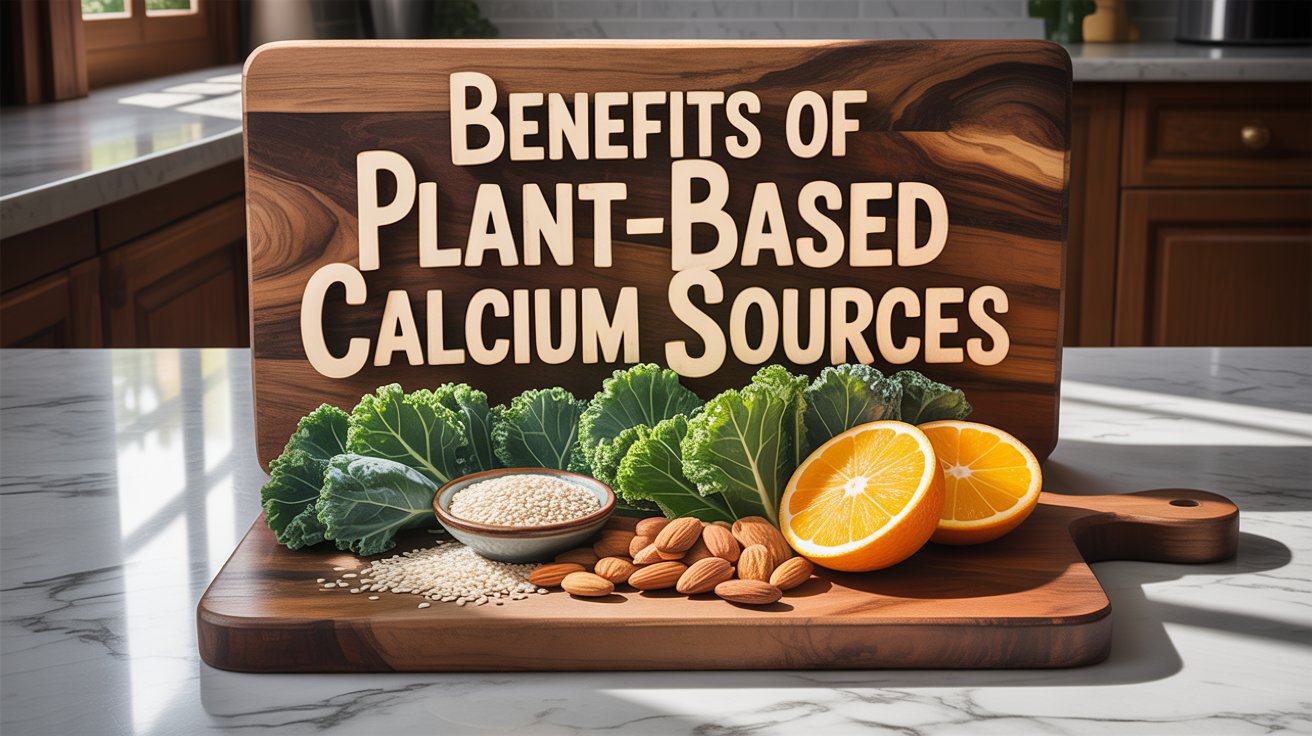
Plant calcium offers an entire spectrum of health benefits that go far beyond bones. A mix of plant and animal calcium-rich foods gives you the best nutrition coverage. These foods nourish nearly every part of your body—from your gut and heart to your hormones and immune system.
Making calcium-rich foods a daily habit will positively transform your long-term health. Here’s what makes plant-based calcium especially powerful:
1. Easier on the Digestive System
Plant foods are naturally gentle on the stomach. They rarely cause bloating, gas, or discomfort—ideal for people with digestive issues or sensitivities.
2. Rich in Fiber
Fiber improves:
- Digestion
- Metabolism
- Blood sugar balance
- Gut bacteria health
A healthy gut = better nutrient absorption, including calcium.
3. Anti-Inflammatory & Antioxidant Benefits
Regular consumption of calcium-rich foods supports stronger bones and reduces fracture risk. Plants contain thousands of phytonutrients that fight oxidative stress and inflammation.
This reduces risks of:
- Heart disease
- Diabetes
- Chronic pain
- Autoimmune flare-ups
4. Contains Additional Bone-Supporting Nutrients
Plant foods naturally include:
- Vitamin K → essential for bone density
- Vitamin C → collagen formation
- Magnesium → regulates calcium absorption
This creates a holistic “bone-supporting nutrient package.”
5. Ideal for Lactose-Intolerant or Vegan Individuals
Plant calcium is accessible to everyone—no allergies, no intolerance issues, no ethical conflicts.
6. Lower in Calories
You can boost your calcium without overeating or gaining unwanted weight.
7. Heart-Healthy
Plant foods contain:
- Zero cholesterol
- Healthy fats
- Low sodium
This supports long-term cardiovascular wellness.
8. Reduces Risk of Kidney Stones
Including calcium-rich foods in snacks or meals makes meeting daily requirements easier. High-oxalate foods may contribute to kidney stones in sensitive people, but MOST plant calcium sources actually reduce stone formation because they contain magnesium and balanced mineral ratios.
9. Environmentally Sustainable
Plants require less:
- Water
- Land
- Energy
- Emissions
Compared to dairy production.
Plant-based calcium is more than a nutrient source—it’s an entire lifestyle approach to wellness.
Nutritional / Functional Differences
Plant-based and animal-based calcium sources behave differently in the body, not because one is inherently “better,” but because each source comes with unique nutrients and absorption influencers. Nutrition experts emphasize the importance of calcium-rich foods for lifelong skeletal health.
1. Calcium With Additional Functional Nutrients (Plants)
Plant foods are rarely “just calcium.” They typically include:
- Magnesium — crucial for calcium absorption
- Vitamin K1 — supports bone formation
- Potassium — reduces calcium loss in urine
- Phytonutrients & antioxidants — reduce inflammation that weakens bones
This combination means plant-based calcium often supports better overall metabolic and cardiovascular health.
2. Calcium With Bio-Boosters (Animal Sources)
Animal-based calcium, especially dairy, naturally includes nutrients that make calcium more usable:
- Vitamin D (in fortified dairy) — essential for absorption
- High-quality protein — supports bone matrix formation
- Phosphorus — works together with calcium in bone mineralization
This pairing makes animal-based calcium very efficient for people who have:
- High calcium requirements
- Low dietary diversity
- Increased bone density challenges (like athletes or seniors)
3. Impact on Hormones and Metabolism
Plant and animal calcium also affect hormonal balance differently:
- Plants regulate inflammation and reduce cortisol spikes
- Dairy may increase IGF-1 levels, aiding bone growth (especially beneficial in childhood)
Benefits of Plant-Based Calcium Sources
Choosing plant-based calcium offers numerous advantages that benefit your bones and your overall wellbeing.
1. Better Digestive Compatibility
Most plant calcium sources are gentler on the stomach compared to dairy, which can trigger bloating or discomfort in lactose-intolerant people.
2. Lower Risk of Kidney Stones
Plants provide potassium and magnesium, which help prevent calcium from binding with oxalates inside the kidney.
3. Lower Inflammation Load
Phytonutrients in leafy greens, nuts, seeds, and legumes regulate inflammatory pathways, protecting:
- Bone tissue
- Joints
- Gut lining
- Blood vessels
4. Suitable for All Lifestyles
Plant calcium fits every dietary requirement:
- Vegan
- Vegetarian
- Paleo
- Lactose-free
- Low-fat
- Anti-inflammatory diets
5. Helps Maintain Healthy Body Weight
Plant sources are naturally low in calories but high in fiber, boosting satiety and stabilizing blood sugar — major factors for weight balance.
Benefits of Animal-Based Calcium Sources
While plant foods are excellent, animal sources offer their own distinct benefits that many people rely on.
1. Highly Bioavailable Calcium
Dairy calcium has a bioavailability of 30–35%, one of the highest among natural foods.
2. Rich in Bone-Supporting Protein
Protein makes up 50% of bone structure, and dairy provides complete amino acids essential for rebuilding bone tissue.
3. Convenient and Accessible
Milk, yogurt, and cheese are:
- Widely available
- Affordable
- Easy to incorporate into meals
- Extremely kid-friendly
4. Excellent for Muscle and Bone Strength Together
Calcium + protein + natural fats make animal-based sources perfect for:
- Athletes
- Seniors
- Adolescents
- Pregnant women
5. Faster, More Efficient Absorption
The presence of vitamin D, phosphorus, and casein protein makes dairy calcium easy for your body to use without additional optimization.
Comparison Table Between Both Types

| Feature | Plant-Based Calcium | Animal-Based Calcium |
|---|---|---|
| Bioavailability | Moderate to high (varies) | High |
| Digestive comfort | Excellent | Lower for lactose-intolerant individuals |
| Nutrient diversity | Very high (fiber, antioxidants) | High (protein, vitamin D) |
| Inflammation impact | Anti-inflammatory | Neutral to sometimes pro-inflammatory |
| Weight support | Helps with weight control | Can be higher in calories |
| Kidney stone risk | Lower | Slightly higher depending on intake |
| Environmental impact | Low | Higher |
| Cost | Variable | Generally affordable |
| Diet compatibility | Universal | Limited for vegans/lactose-free diets |
Is Plant-Based Calcium Safer or Better Than Animal-Based Calcium?
The answer depends entirely on your health goals and your body’s needs. Both sources offer unique advantages — but “better” is not universal.
Plant-based calcium is better if you:
- Have lactose intolerance
- Want anti-inflammatory foods
- Prefer low-calorie nutrition
- Follow vegan or vegetarian diets
- Want fiber and antioxidant benefits
- Have a family history of kidney stones
Animal-based calcium is better if you:
- Need highly absorbable calcium
- Want convenient and child-friendly options
- Require extra protein for muscle and bone strength
- Are an athlete, senior, or highly active adult
- Prefer simpler meal planning
The most important thing is not choosing plant vs animal, but ensuring you meet your daily requirement of 1,000–1,200 mg consistently.
Regulation & Safety Standards

1. Dairy Industry Standards
Animal-based calcium sources go through strict regulation to ensure safety:
- Pasteurization
- Quality grading
- Fortification standards
- Microbial safety tests
This ensures stable calcium content and reduces contamination risks.
2. Plant-Based Calcium Regulations
Plant foods follow agricultural standards, and many fortified products must meet guidelines regarding:
- Fortification levels
- Ingredient purity
- Allergen labeling
Fortified plant milks, for example, often contain exactly the same calcium amount as cow’s milk — by regulation.
3. Supplement Regulation (Both Types)
Calcium supplements must meet:
- USP certification
- Purity and heavy metal screening
- Absorption testing (in reputable brands)
Environmental Impact
Plant-Based Calcium
- Lower carbon footprint
- Uses less freshwater
- Produces less methane
- More sustainable long-term
Animal-Based Calcium
- Higher environmental cost due to livestock
- Larger land and water usage
- Greenhouse gas emissions
- Requires additional energy for processing
Many nutritionists recommend including calcium-rich foods in every meal for optimal bone health. If environmental impact matters to you, plant-based calcium is the clear winner.
Lifestyle, Preferences, and Taste Differences
Plant-Based Calcium Lifestyle Fit
Perfect for:
- Vegan/vegetarian diets
- Weight-loss plans
- Anti-inflammatory lifestyles
- High-fiber dietary patterns
Taste notes: earthy, fresh, crunchy, nutty.
Animal-Based Calcium Lifestyle Fit
Ideal for:
- High-protein diets
- Busy schedules
- Athletic lifestyles
- Traditional meal patterns
Taste notes: creamy, savory, rich, mild.
Cost Comparison (With Table)
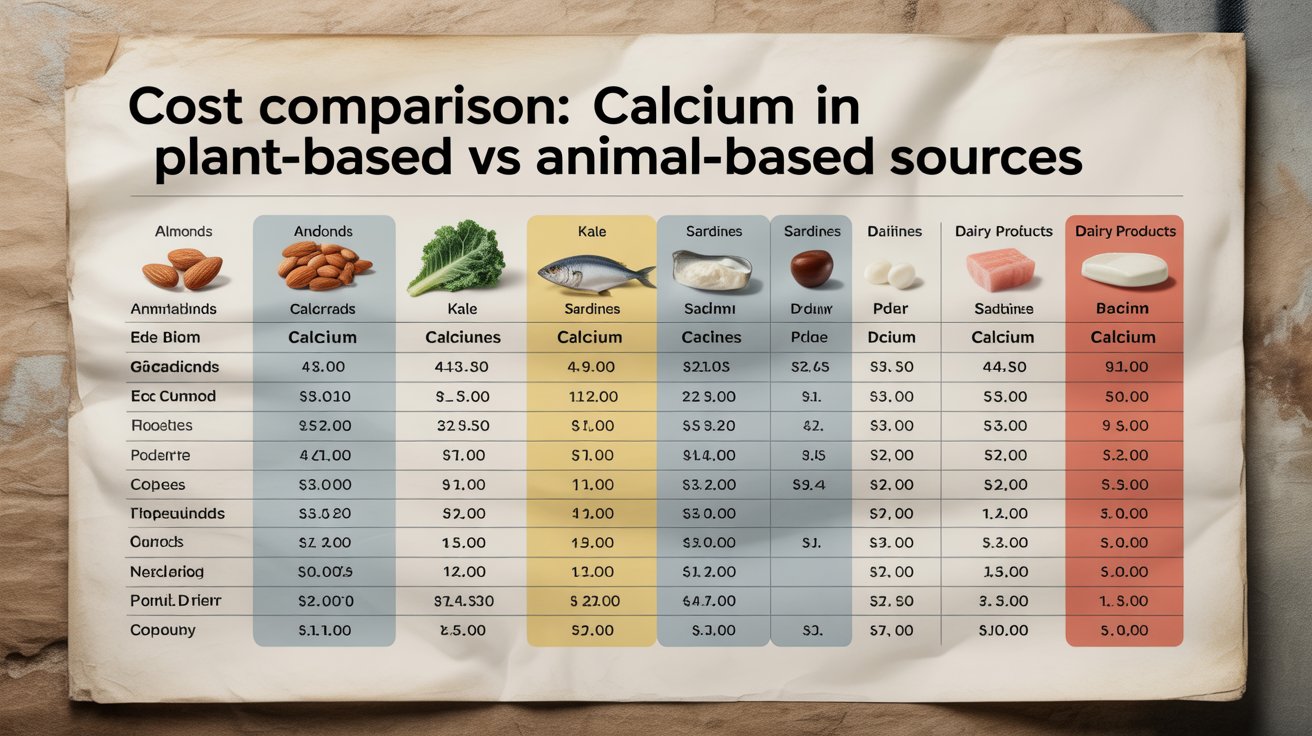
Calcium-rich foods can help prevent long-term deficiencies when eaten consistently. Calcium-rich foods can vary widely in price depending on the source, brand, processing method, and region. Here’s how plant- and animal-based calcium sources generally compare.
1. Plant-Based Calcium Cost Overview
Plant sources tend to fall into two categories:
Whole foods (cheap to moderate cost):
Leafy greens, beans, oranges, nuts, seeds.
Fortified foods (moderate cost):
Plant milks, tofu, cereals.
These foods offer excellent long-term value because they provide multiple nutrients beyond calcium. Incorporating a variety of calcium-rich foods ensures better absorption and nutrient synergy.
2. Animal-Based Calcium Cost Overview
People following vegan or vegetarian diets can still meet their needs with plant-based calcium-rich foods. Animal sources have a relatively stable price range because dairy products are produced on a large scale.
Milk and yogurt are usually affordable.
Cheese, especially aged or imported varieties, can be more expensive.
3. Cost Comparison Table
| Food Category | Average Cost (Per Serving) | Calcium Source Type | Cost Efficiency |
|---|---|---|---|
| Leafy greens (kale, bok choy) | Low | Plant | High |
| Beans & lentils | Low | Plant | High |
| Almonds, chia seeds | Moderate | Plant | Moderate |
| Fortified plant milk | Moderate | Plant | High |
| Cow’s milk | Low | Animal | High |
| Yogurt | Low to moderate | Animal | Very high |
| Cheese | Moderate to high | Animal | Moderate |
| Fortified cereal | Moderate | Plant/fortified | High |
Bottom line:
Both types have high-value options, but plant sources win when you want nutrient density per dollar, while dairy wins for convenience and bulk affordability.
When Should You Choose Plant-Based Calcium?
Plant-based calcium isn’t just for vegans — it’s perfect for anyone focused on long-term health.
1. If You Have Digestive Sensitivities
Lactose intolerance affects around 65% of adults globally. If dairy causes:
- bloating
- stomach cramps
- gas
- diarrhea
…plant-based calcium is the better choice.
2. If You Want Anti-Inflammatory Benefits
Plants contain antioxidants that protect your bones and tissues from inflammation-related damage.
3. If You Want Lower Calories With High Nutritional Value
Leafy greens, beans, nuts, seeds, and fortified milks provide calcium with:
- zero saturated fat
- minimal calories
- high fiber
Ideal for weight-loss or metabolic health goals.
4. If You Prefer Sustainable Options
Plants have a significantly smaller environmental impact.
5. If You Want Calcium + Fiber Combo
Fiber improves:
- digestion
- blood sugar stability
- gut health
— benefits animal sources cannot offer.
When Should You Choose Animal-Based Calcium?
Animal-based calcium may be the better option in specific conditions.
1. If You Need Highly Bioavailable Calcium
People with:
- low stomach acid
- digestive malabsorption issues
- increased calcium needs
…may absorb dairy calcium more efficiently.
2. If You Have Higher Protein Requirements
Dairy naturally contains high-quality protein, beneficial for:
- athletes
- teenagers
- seniors
- pregnant women
3. If You Want Quick, Convenient Options
Milk, cheese, and yogurt require no cooking, prep, or processing.
4. If Your Diet Is Limited in Diversity
Dairy helps you meet calcium needs even if your meals are simple or repetitive.
5. If You Struggle With Calcium Supplements
Milk and yogurt often serve as an effective food-based alternative.
Myths and Misconceptions
There are several myths surrounding calcium sources. Here are the most common ones debunked.
Myth 1: “Only dairy can build strong bones.”
Fact: Many people meet or exceed their calcium needs solely with plant-based foods and fortified products.
Myth 2: “Plant calcium is useless because it isn’t absorbed well.”
Fact: Many plant foods (bok choy, kale, broccoli) have equal or better absorption rates than milk.
Myth 3: “More calcium is always healthier.”
Fact: Excess calcium can increase the risk of:
- kidney stones
- constipation
- calcification in soft tissues
Balance is key — not quantity.
Myth 4: “Children must drink milk.”
Fact: Children need calcium — not necessarily dairy. Fortified plant milks and whole foods can fully replace it.
Myth 5: “Calcium supplements are safer than food sources.”
Fact: Supplements can cause spikes in blood calcium levels, while foods provide a steadier, safer supply.
Harvard’s guide explains the role of calcium in bone health and overall nutrition.
Expert Opinions & Scientific Insights

Healthcare professionals generally support a mixed calcium strategy for most people.
Nutritionists Say:
Combining both plant and animal calcium sources ensures:
- better absorption
- nutrient variety
- reduced dietary gaps
Dietitians Say:
Plant-based sources provide additional benefits like fiber and antioxidants that dairy doesn’t.
Doctors Say:
The best calcium source depends on:
- lactose intolerance
- digestive issues
- osteoporosis risk
- kidney stone history
Researchers Say:
Studies show that people who regularly consume both plant and dairy calcium tend to have:
- stronger bones
- better metabolic health
- more diverse nutrient profiles
- lower inflammation markers
Final Verdict

Both plant-based and animal-based calcium have unique strengths. The best source depends on your body, lifestyle, and health goals.
Choose plant-based calcium for anti-inflammatory benefits, digestion, sustainability, and nutrient diversity.
Choose animal-based calcium for easy absorption, high protein, convenience, and stronger dietary support for kids, teens, and athletes.
For most people, the smartest approach is a balanced, combined strategy.
Conclusion
Calcium is essential for:
- strong bones
- muscle function
- healthy heart rhythm
- nerve signaling
- lifelong mobility
Whether you prefer plants or animal sources, what truly matters is meeting your daily calcium requirement consistently. With the right choices, you can strengthen your bones naturally, support long-term health, and enjoy delicious foods every single day.
For more on overall wellness, explore Mineral Water Benefits.
FAQs
1. How much calcium do I need per day?
Most adults need 1,000–1,200 mg per day.
2. What is the most absorbable form of calcium?
Dairy and certain plants like bok choy, kale, and broccoli offer highly absorbable calcium.
3. Can I get enough calcium without dairy?
Absolutely — through leafy greens, tofu, seeds, beans, fortified foods, and supplements if needed.
4. Does cooking reduce calcium in foods?
Minimal loss occurs. In some cases, cooking increases absorption by reducing oxalates.
5. What’s better: calcium supplements or food?
Food is generally safer and more effective; supplements should be used only when necessary.