
Table of Contents
Introduction: Understanding Potassium Benefits and Its Role in Your Health
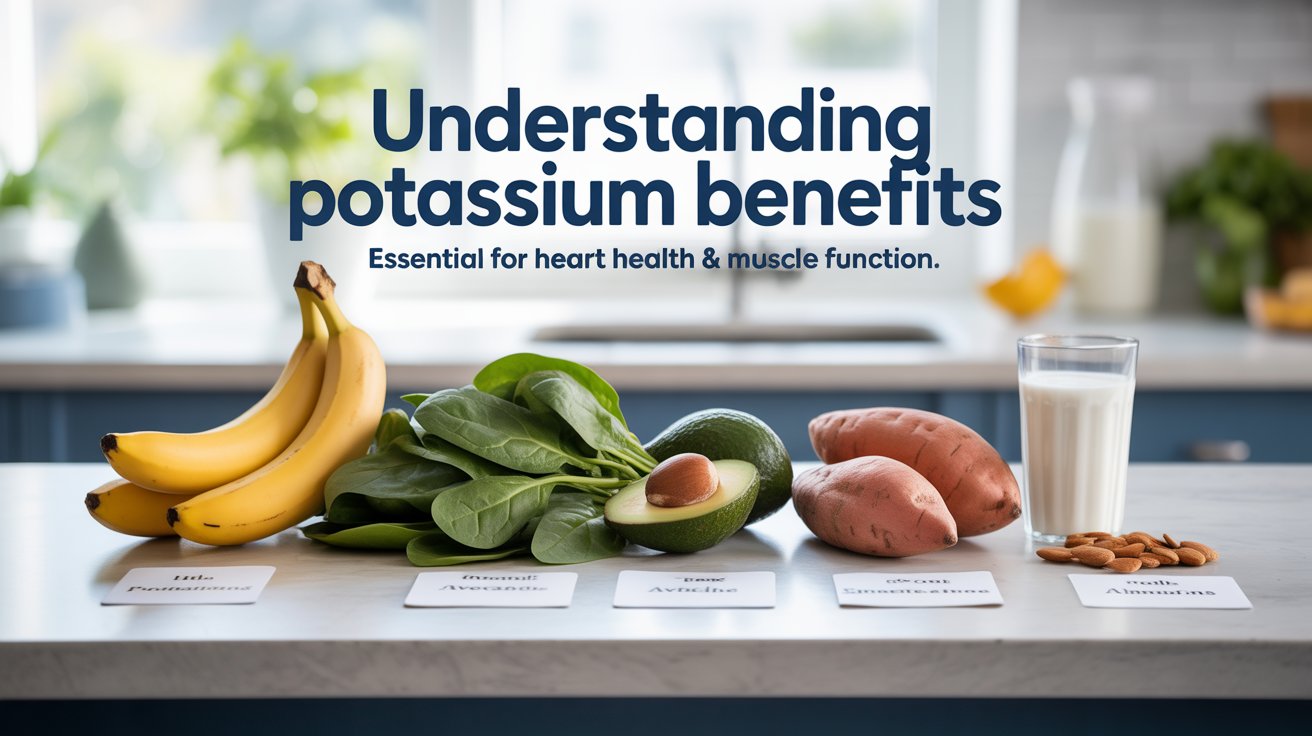
Understanding potassium benefits is essential for maintaining overall health. If there’s one mineral that quietly powers your energy, fuels your heartbeat, sharpens your nerves, and keeps your entire body running smoothly—it’s potassium. Yet, most people don’t realize how essential it is until something goes wrong. You know how your phone just shuts down when the battery is low, even though everything else is perfectly fine? Your body works the same way. Without enough potassium, your internal “battery” weakens. You feel tired, sluggish, foggy, dehydrated, or even anxious… and you might blame stress, poor sleep, or lack of motivation—when the real issue is simply mineral imbalance.
Many people overlook the incredible potassium benefits for heart and nerve function. But here’s the twist: despite potassium being one of the most critical nutrients for your heart, muscles, and cellular function, more than 98% of people don’t get enough of it every day. That’s alarming, especially when you consider that potassium directly influences:
- Your heartbeat
- Your energy levels
- Nerve signals
- Muscle strength
- Blood pressure
- Hydration
- Recovery
- Even how your brain feels
And ironically, while most people consume too much sodium, they eat far too little potassium. These two minerals are like opposite sides of a scale—when one goes up, the other goes down.
In this article, we’re going to break down everything you need to know about potassium, why your body depends on it, and how this simple mineral can genuinely transform your energy, heart health, and overall well-being. We’ll dive deep but in an easy, conversational way—so you’ll not only understand potassium… you’ll actually appreciate it.
Let’s get started.
What Is Potassium?
Potassium is an essential mineral and electrolyte that your body requires for nearly every cellular process. When you hear the word “electrolyte,” you might think of sports drinks or hydration packets—but in reality, electrolytes are minerals that carry electrical charges. These tiny charges keep your cells communicating, contracting, pumping, and functioning.
Here’s the fascinating part: your body stores 98% of its potassium inside your cells, not in your blood. That means even small drops in blood potassium levels can indicate a significant problem inside the cells.
Potassium is crucial for:
- Moving nutrients in and out of your cells
- Conducting nerve impulses
- Maintaining heartbeat rhythm
- Balancing fluids
- Supporting muscle movement
- Regulating blood pressure
- Preventing fatigue and weakness
It’s like the behind-the-scenes hero of your entire body.
And unlike some nutrients, your body can’t produce potassium on its own—you must get it from food or supplements. That’s why potassium-rich diets, such as Mediterranean or plant-based diets, are linked to healthier hearts and longer lifespans.
But before we jump into the specifics, let’s break down exactly how potassium works inside your body.
How Potassium Works in the Body – Part 1
Electrolyte Balance & Cellular Function
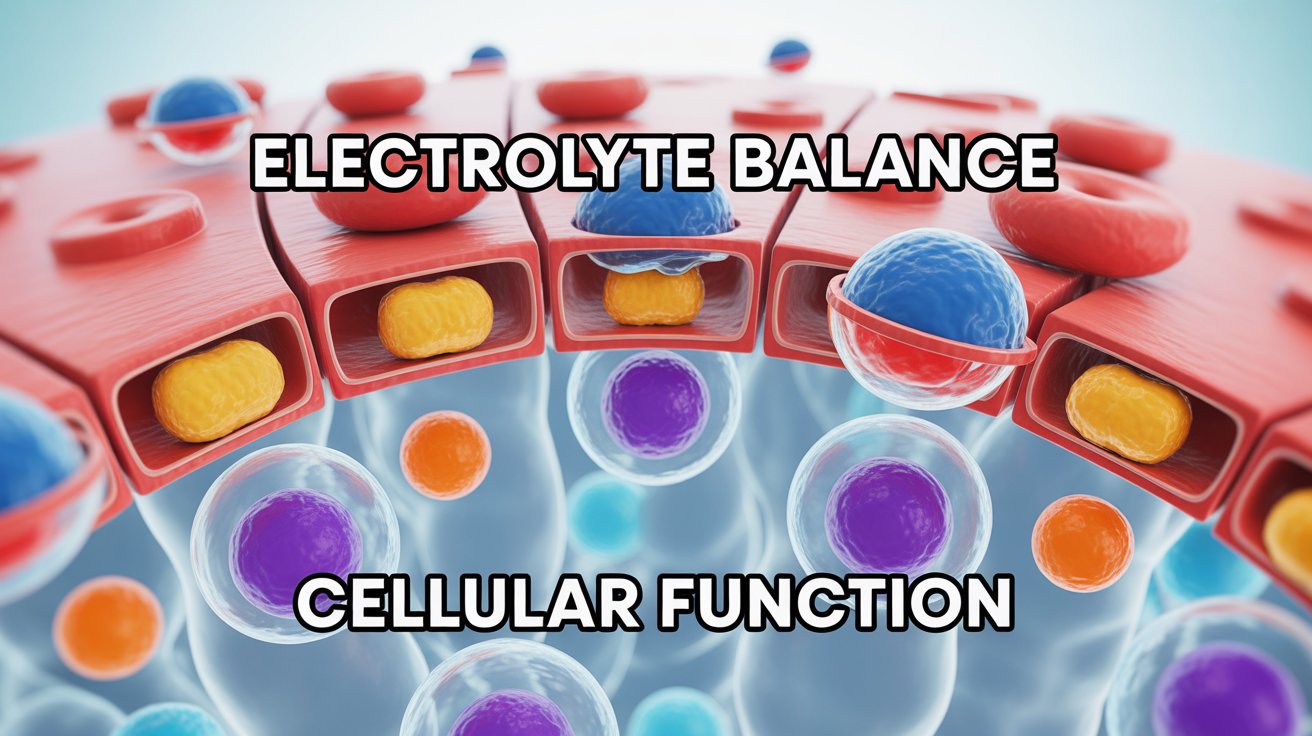
Think of each cell in your body as a tiny factory. For the factory to run properly, workers (nutrients) must enter, waste must leave, and the electrical system must stay stable. This cellular “traffic control” depends heavily on potassium.
1. Regulating Fluid Levels
Water follows minerals. If potassium levels are low, your cells can’t hold water properly. This leads to dehydration—even if you’re drinking plenty of fluids.
Ever wondered why drinking water sometimes doesn’t help your thirst or dryness?
Usually, it’s because your body is missing potassium.
2. Maintaining the Sodium-Potassium Pump
This biological pump is one of the most critical functions in your entire body. It controls:
- Nutrient absorption
- Waste removal
- Energy production
When potassium levels drop, your cells operate on low power mode.
3. Supporting Electrical Activity
Potassium helps your cells generate electricity—yes, real electricity. This electrical activity:
- Controls heartbeat
- Enables muscles to contract
- Helps nerves communicate
- Powers your brain
This is why potassium deficiency can feel like brain fog, fatigue, or irritability.
4. Preventing High Sodium Retention
Potassium counteracts sodium. Without enough potassium, sodium takes over—leading to:
- High blood pressure
- Water retention
- Bloating
- Increased thirst
- Tension headaches
So potassium isn’t just “another mineral”—it’s the mineral that keeps your body’s entire electrical and hydration systems balanced.
How Potassium Works in the Body – Part 2
Nerve Signals, Heart Rhythm & Muscles
Potassium benefits include supporting energy production at the cellular level. Now let’s talk about the systems you feel the most when potassium drops.
1. Potassium Benefits for Nerve Signals
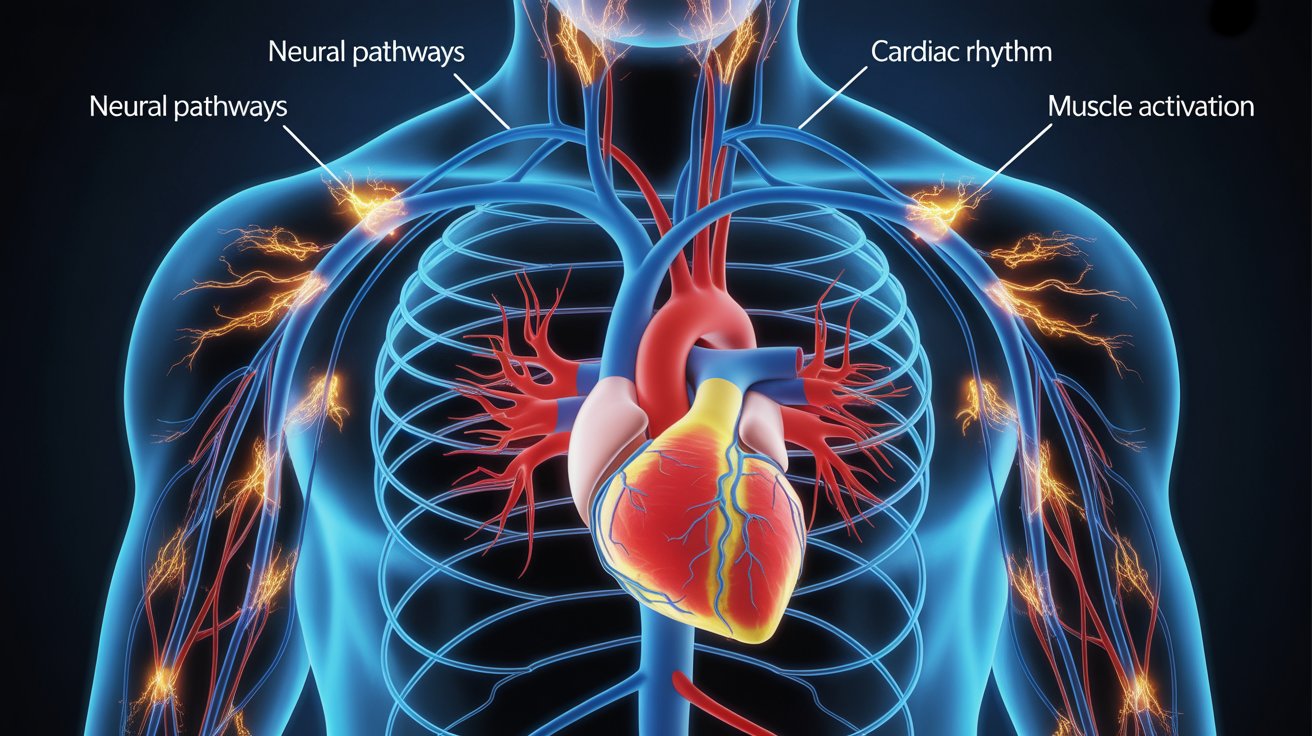
Your nerves fire using electrical impulses generated by mineral shifts. Potassium is the star player in this process. Without enough potassium, nerve signals become weak, slow, or irregular. Potassium benefits extend to improving nerve signal transmission throughout the body.
This can cause:
- Tingling
- Numbness
- Cold hands/feet
- Mood changes
- Irritability
- Anxiety-like symptoms
Ever felt your “nerves are fried”?
Quite literally—it may be a mineral imbalance.
2. Potassium Benefits for Your Heartbeat
Experiencing fatigue or muscle cramps may indicate a lack of potassium benefits in your diet. Your heart depends on potassium to beat at a steady rhythm. When potassium drops:
- Heart palpitations
- Irregular heartbeat
- Rapid heartbeat
- Chest tightness
…can occur.
Even slight deficiency affects heart rhythm because the heart relies on electrical signals controlled by potassium.
3. Potassium Benefits for Muscle Strength
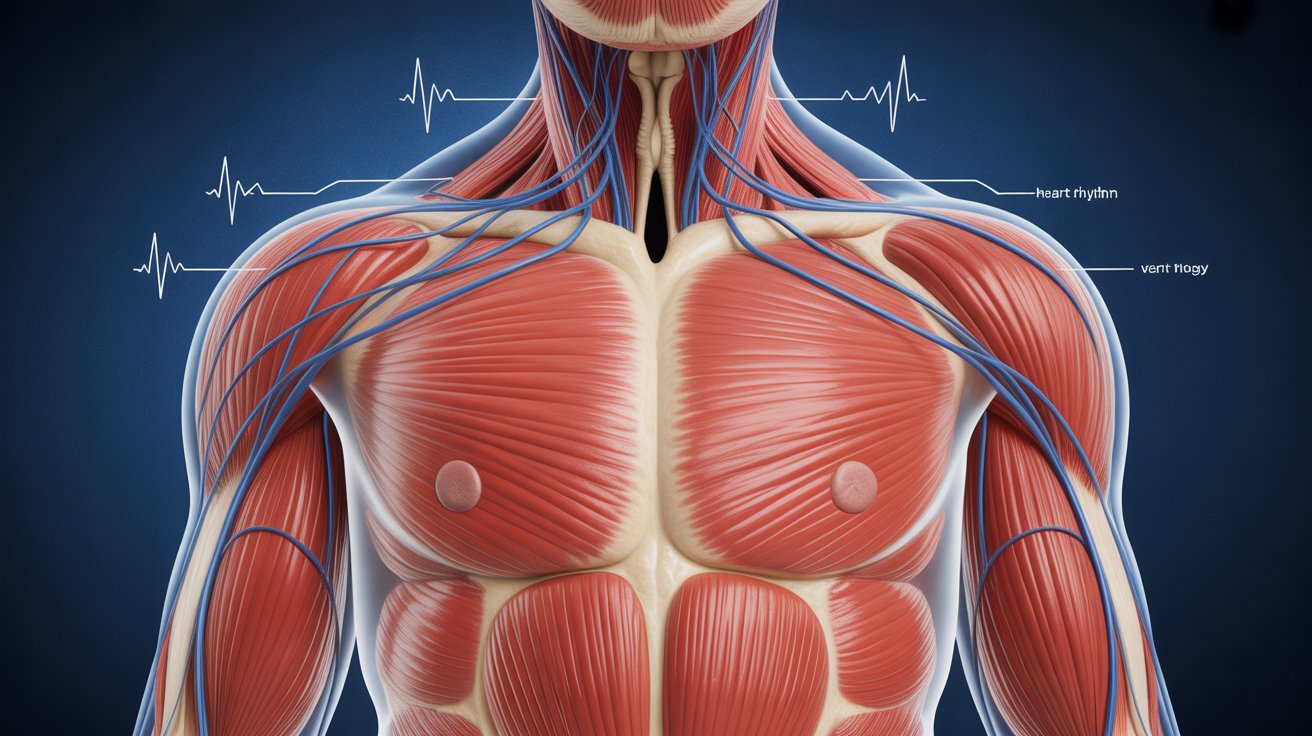
Many nutritionists emphasize the long-term potassium benefits for heart health. Muscles need potassium to contract and relax smoothly. Low potassium leads to:
- Weakness
- Fatigue
- Muscle cramps
- Twitching
- Stiffness
- Slow recovery
Leafy greens are rich in potassium benefits that support cellular function.
That’s why athletes supplement potassium—and why you might feel “weak for no reason” when your levels are low.
4. Potassium Benefits for Energy Production
The potassium benefits of coconut water make it a great post-workout drink. This mineral helps your mitochondria produce ATP—your body’s energy molecule.
Low potassium = low ATP
Low ATP = low energy
Low energy = fatigue, burnout, exhaustion
People often underestimate the potassium benefits for preventing kidney stones.
This is why potassium is often described as the energy mineral.
What Is Potassium Deficiency? (Hypokalemia Explained)
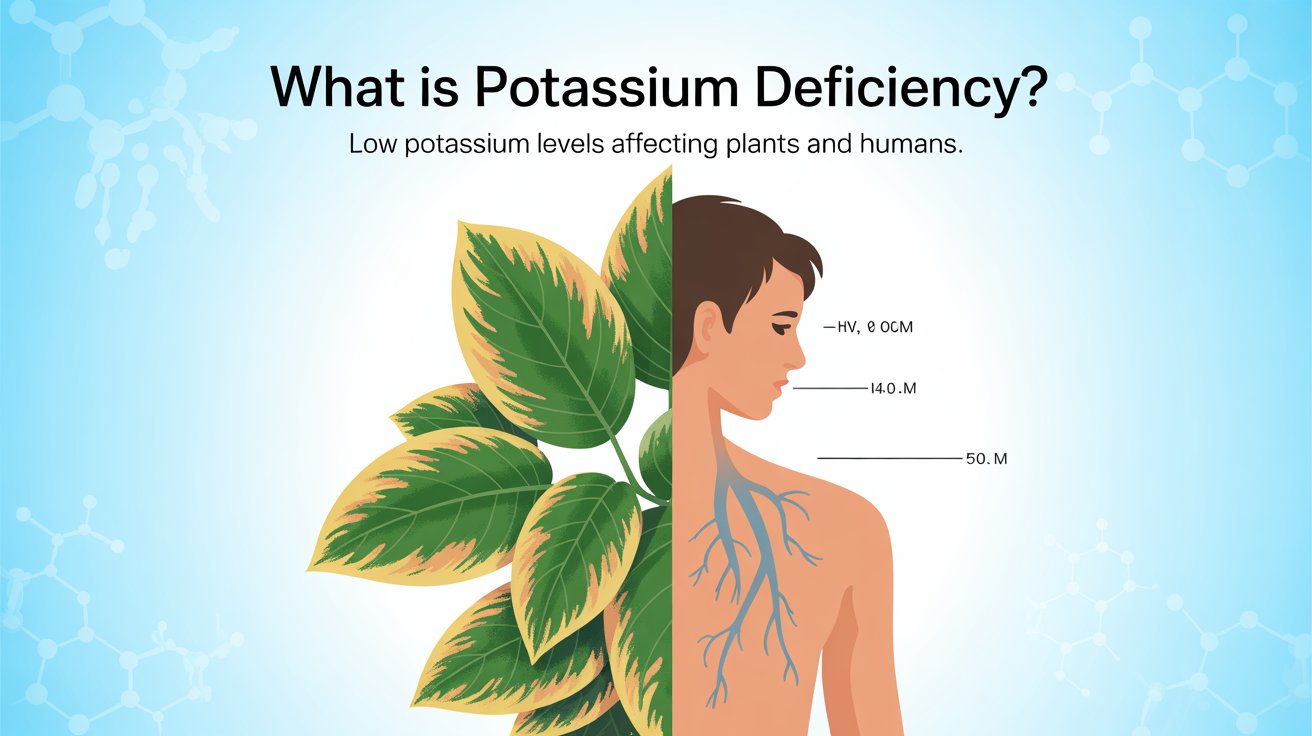
Potassium deficiency, or hypokalemia, happens when your blood levels fall below normal. But here’s the tricky part: even if your blood potassium looks “normal,” you can still be deficient inside your cells. One reason to track your diet is to ensure you’re getting enough potassium benefits.
Sweet potatoes are a delicious source of natural potassium benefits. That’s why people often experience symptoms long before a blood test reveals anything. Including bananas, spinach, and avocados in your diet maximizes potassium benefits.
Incorporating legumes into meals increases your intake of potassium benefits.
Common signs of deficiency include:
- Constant fatigue
- Low energy
- Muscle cramps
- Heart palpitations
- Constipation
- Brain fog
- Dryness or dehydration
- Mood swings
- Bloating
- Dizziness
- Weakness
But what causes potassium to drop? Experts agree that the cardiovascular potassium benefits are often overlooked. There are two major categories: dietary issues and external factors.
Causes of Low Potassium – Part 1
Diet & Fluid Loss
Sometimes the problem is simple—you’re not eating enough potassium-rich foods. But often, your body is also losing potassium faster than you realize. One of the most overlooked potassium benefits is its role in maintaining fluid balance.
1. Not Enough Potassium-Rich Foods
Most people don’t consume enough fruits, vegetables, legumes, and whole foods—where potassium naturally exists. Typical diets are high in processed foods (high sodium) and low in fresh produce (low potassium). Athletes especially benefit from the potassium benefits related to muscle recovery.
2. Excessive Urination
One key reason to eat more vegetables is to take advantage of potassium benefits. You lose potassium every time you urinate. Conditions that increase urination include:
- Too much caffeine
- Diuretics
- High-sodium diets
- Certain teas
- Dehydration
3. Sweating
Studies show that potassium benefits include lowering blood pressure naturally. Even light sweating drains potassium:
- Exercise
- Hot weather
- Sauna
- Physical labor
If you drink water without electrolytes afterward, potassium drops even more.
4. Vomiting or Diarrhea
These rapidly deplete potassium and can lead to dangerous deficiency.
Causes of Low Potassium – Part 2
Medications, Lifestyle & Medical Conditions
1. Medications
Smoothies with bananas or avocado can help deliver potassium benefits quickly. Some common medications reduce potassium, including:
- Diuretics
- Blood pressure medicines
- Laxatives
- Steroids
- Some antibiotics
2. Stress and Cortisol
Stress increases cortisol, which causes your body to dump potassium through urine.
Chronic stress = chronic mineral loss.
3. Alcohol
Potassium benefits also include reducing water retention and bloating. Alcohol washes potassium out rapidly, especially when consumed regularly.
4. Medical Conditions
Certain health issues cause low potassium:
- Kidney disorders
- Hormonal imbalances
- Digestive conditions
- Eating disorders
Key Differences Between Potassium & Sodium
Potassium and sodium function like a seesaw:
- Sodium pulls water into the blood
- Potassium pulls water into the cells
Many people are unaware of the cognitive potassium benefits for brain function. One pushes pressure up, the other brings it down.
One tightens the body, the other relaxes it.
You need both—but in the right balance.
Source and Processing (Foods, Supplements & Absorption)
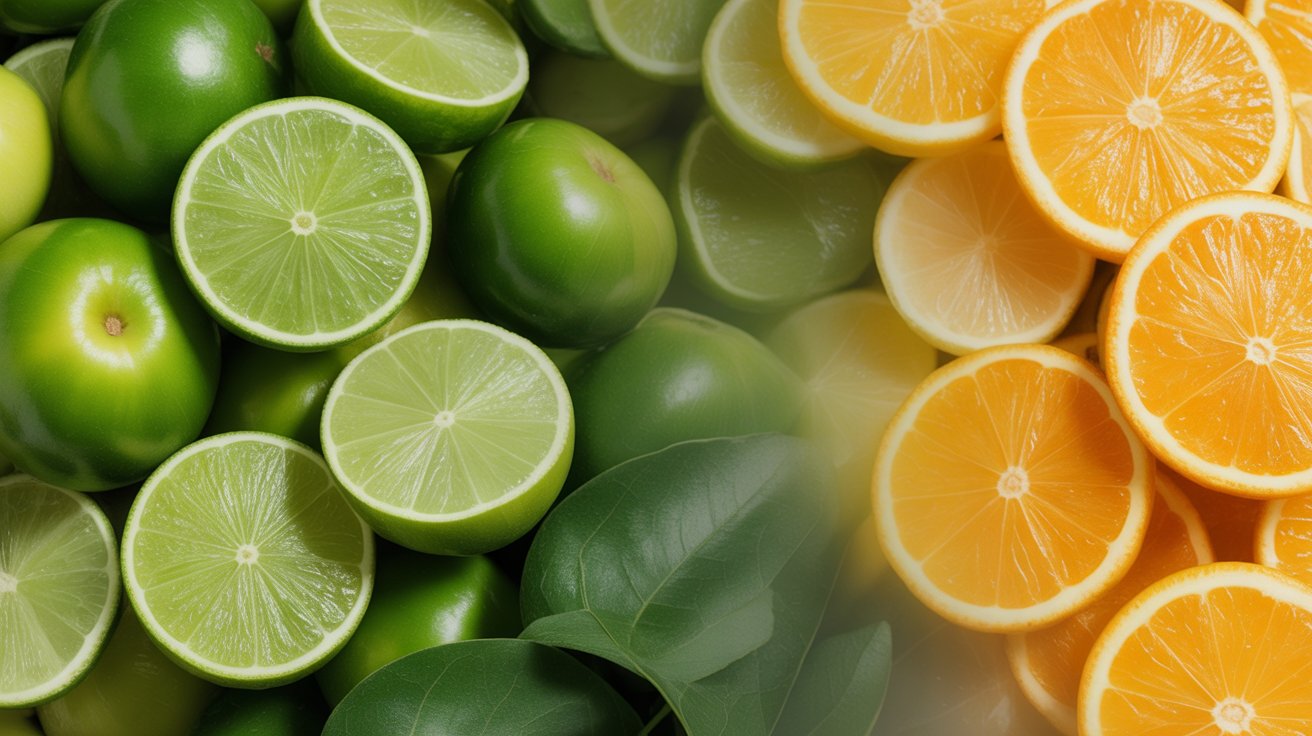
When most people hear the word potassium, their mind goes straight to bananas. And yes, bananas contain potassium—but the truth is, potassium is packed into a wide range of fresh, whole foods. The best natural sources include fruits, vegetables, legumes, potatoes, dairy, meat, and even some nuts and seeds. Ensuring adequate potassium benefits supports healthy muscle contractions. Foods like avocados, sweet potatoes, spinach, white beans, coconut water, yogurt, salmon, beet greens, and oranges are some of the richest sources.
What’s interesting is that potassium is not added to foods during processing—it’s removed. Potassium benefits work alongside sodium to maintain optimal electrolyte balance. When foods are processed, packaged, refined, or stripped of minerals, potassium disappears while sodium is added. That’s one of the biggest reasons modern diets are low in potassium and high in sodium. A meal at home might contain 200–400 mg of sodium and 1,000 mg of potassium… while the same meal from a restaurant can flip that ratio entirely.
Including more fruits and vegetables amplifies the potassium benefits in your diet. From a processing perspective, potassium supplements are available in many forms: potassium citrate, potassium chloride, potassium gluconate, and potassium bicarbonate. Potassium citrate and bicarbonate support pH balance and help prevent acidity. Proper hydration enhances the potassium benefits for energy and focus. Potassium chloride is often used as a salt substitute, and potassium gluconate is commonly recommended for gentle supplementation.
Doctors often recommend potassium benefits for patients with hypertension. As for absorption, potassium is absorbed efficiently through the small intestine. However, factors such as dehydration, high sodium intake, medical conditions, alcohol use, stress, and medications can reduce absorption or increase losses. This is why two people eating the same amount of potassium may have dramatically different levels in their body.
Understanding this helps you see that potassium is not just about “what you eat,” but also about what your body can hold onto and use. With the right diet, hydration, and balance, your potassium levels naturally rise and your energy, mood, and heart health improve almost instantly.
Taste / Physical Differences (Potassium vs Sodium Salts)
Potassium and sodium may be sisters in the mineral world, but they taste completely different. Sodium chloride—regular table salt—is sharp, punchy, and instantly recognizable because it activates the salt receptors on your tongue. It enhances flavors, boosts savoriness, and makes food taste richer.
Potassium chloride, however, has a slightly metallic or bitter edge. Some people describe it as “mineral-like” or “earthy.” It doesn’t stimulate your salt receptors the same way sodium does. That’s why salt substitutes made with potassium chloride often taste almost like salt but with a mild aftertaste. Manufacturers usually blend potassium chloride with small amounts of sodium chloride to make the flavor more appealing.
Physically, sodium chloride crystals are hard, dry, and uniform, while potassium chloride crystals tend to be softer and hold more moisture. This makes sodium better for curing, preserving, and seasoning food, while potassium chloride is used more often in low-sodium products for health-conscious consumers.
These taste differences matter because our bodies are wired to crave sodium, not potassium. Evolutionarily, sodium was harder to access, so our brains reward us when we taste it. Potassium, on the other hand, was naturally abundant in fruits and vegetables—so humans never developed strong cravings for it. This is one reason modern diets drift toward high-sodium, low-potassium patterns.
Still, potassium’s physical and taste properties don’t diminish how essential it is. It may not taste as exciting as salt, but its health effects are far more powerful.
Nutritional / Functional Differences (How Each Affects the Body)
Potassium and sodium might work together, but their effects on your body are almost opposite.
Sodium’s primary roles include:
- Maintaining fluid outside the cells
- Increasing blood volume
- Supporting nerve impulses
- Preserving food
Potassium’s primary roles include:
- Maintaining fluid inside the cells
- Lowering blood pressure
- Regulating heartbeat
- Supporting muscle function
- Balancing electrolytes
Too much sodium increases blood pressure, stiffness, and fluid retention. Too little potassium intensifies these effects, creating a double burden on your cardiovascular system.
Functionally, potassium relaxes your blood vessels while sodium tightens them. Potassium also encourages the kidneys to excrete extra sodium, which helps lower blood pressure naturally.
This is why health guidelines worldwide emphasize increasing potassium and moderating sodium—not eliminating sodium entirely. It’s about harmony, not restriction.
Potassium Benefits
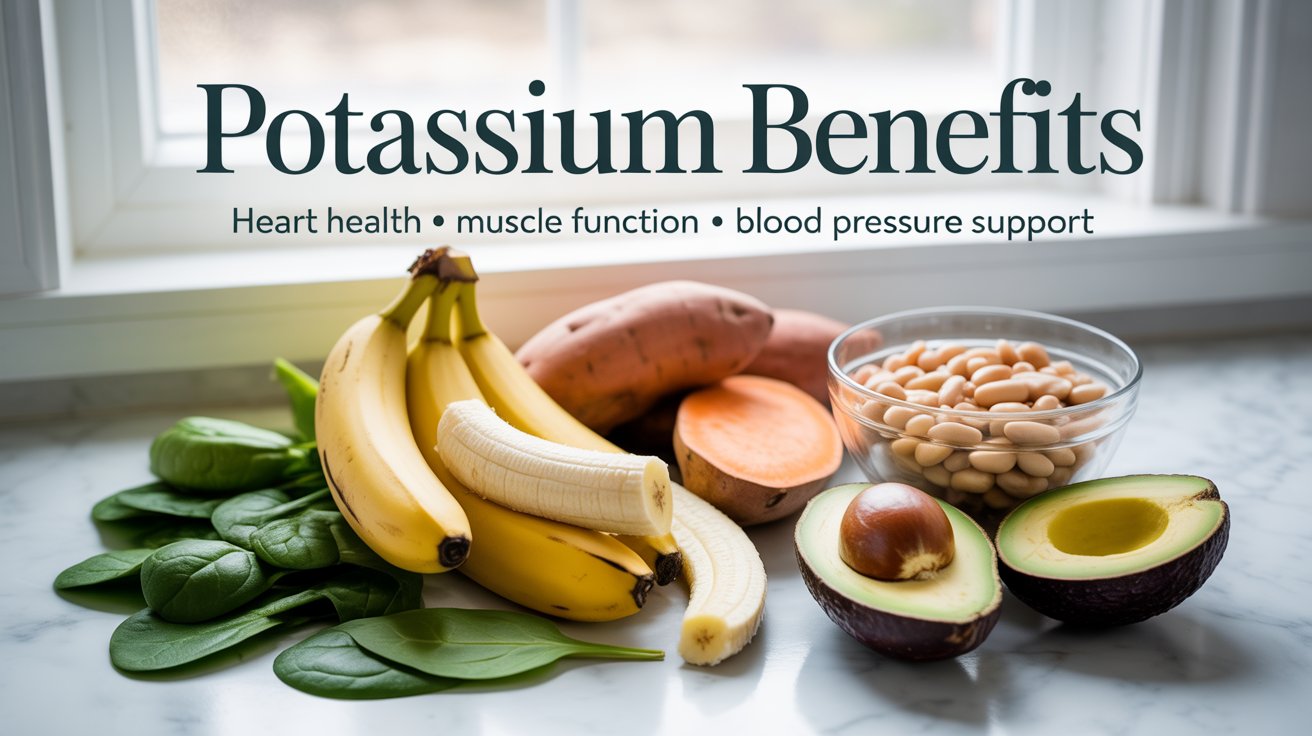
Potassium is one of those nutrients where the benefits seem almost too good to be true—until you realize how deeply it’s involved in every biological system. When your potassium level is optimal, your entire body feels more stable, energized, and balanced.
Here’s what potassium does for you:
1. Supports Heart Health
Potassium relaxes blood vessels, reduces tension, and helps maintain healthy blood pressure. It keeps your heartbeat steady, prevents arrhythmias, and improves overall cardiovascular function.
2. Boosts Energy Levels
Potassium powers your cells’ mitochondria. Without it, your energy crashes. With enough potassium, your body produces ATP efficiently—giving you steady, natural energy all day.
3. Enhances Muscle Strength
Your muscles contract using potassium.
Low potassium = weak muscles
Adequate potassium = strong, stable performance
4. Prevents Cramps and Spasms
Muscle cramps are one of the most common signs of potassium imbalance. Increasing potassium-rich foods often eliminates cramps completely.
5. Improves Brain and Nerve Function
Potassium helps your brain send signals clearly and quickly. This improves memory, focus, and mood, and reduces irritability or anxiety-like symptoms tied to electrolyte imbalance.
6. Reduces Bloating and Water Retention
Potassium pulls water into your cells, reducing puffiness, swelling, and water retention caused by sodium.
7. Supports Kidney Function
Potassium helps your kidneys flush out excess sodium and maintain mineral balance.
8. Promotes Healthy Digestion
Low potassium can cause constipation, because the muscles in your intestines need potassium to move food along.
In short, potassium keeps your body calm, stable, energized, and in harmony. It’s one of the most beneficial minerals you can prioritize.
Benefits of Sodium (Why You Still Need It)
Even though potassium gets a lot of praise—and rightly so—sodium shouldn’t be treated like the villain. Sodium is essential for survival. It supports critical functions that keep your body working every second of your life.
1. Helps Maintain Fluid Balance
Sodium controls water levels in the blood and tissues. Without it, your body would struggle to stay hydrated or maintain blood volume.
2. Supports Nerve Impulses
Just like potassium, sodium helps your brain send signals. Both minerals work together to keep nerves firing.
3. Aids Muscle Function
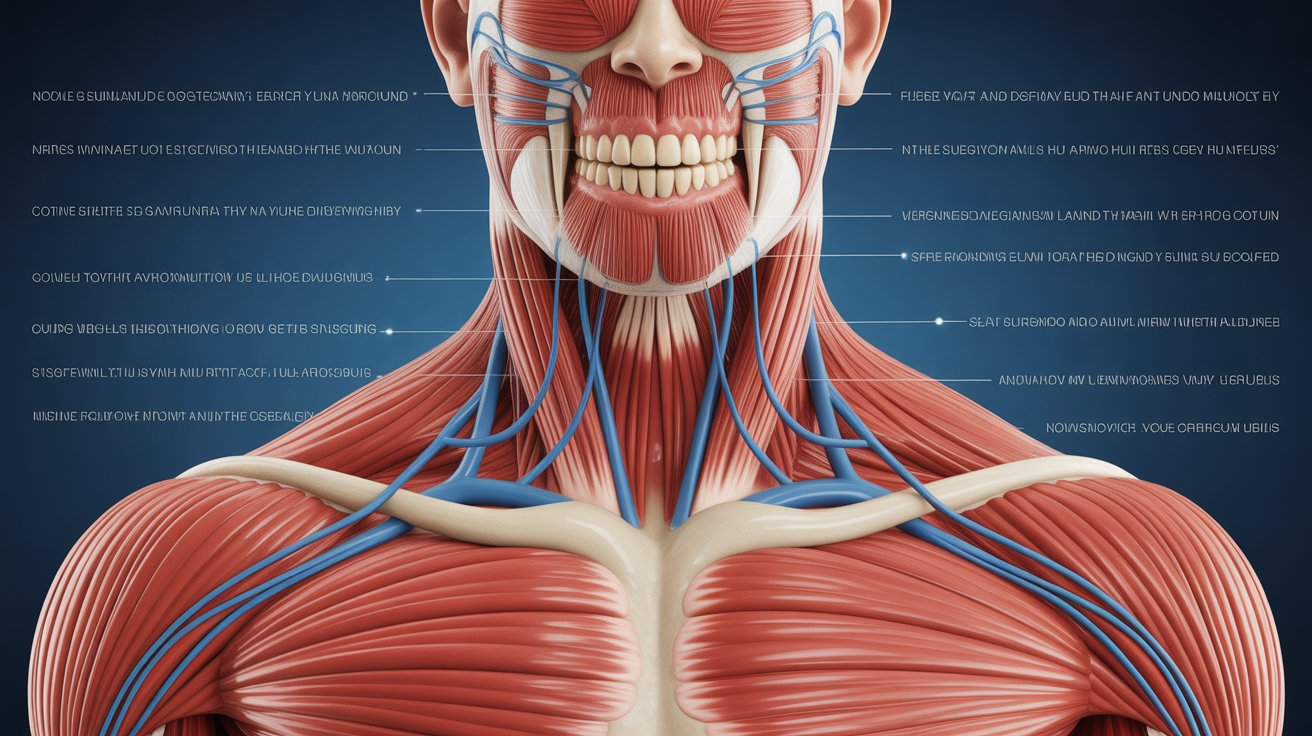
Your muscles depend on sodium to initiate movement. Too little sodium can cause fatigue, dizziness, or even fainting.
4. Prevents Low Blood Pressure
Sodium helps maintain stable blood pressure. When sodium drops too low, you may feel lightheaded or weak.
5. Supports Nutrient Absorption
Sodium helps your intestines absorb nutrients like glucose and amino acids.
So yes—you absolutely need sodium. The real issue is imbalance, not sodium itself.
Comparison Table Between Both Types
| Feature | Potassium | Sodium |
|---|---|---|
| Main Location | Inside the cells | Outside the cells |
| Effect on Blood Pressure | Lowers it | Raises it |
| Muscle Action | Helps relaxation | Helps contraction |
| Heart Rhythm | Stabilizes | Can overstimulate when excessive |
| Water Balance | Prevents bloating | Can cause water retention |
| Food Sources | Fruits, vegetables, legumes | Salted/processed foods |
| Modern Diet Intake | Too low | Too high |
Is Potassium Safer or Better Than Sodium?
Potassium and sodium are often portrayed as rivals, like one is “good” and the other is “bad.” But that’s not how the body works. Your body needs both—just in the right proportions. Sodium becomes harmful mainly because most people consume 10–20 times more sodium than potassium every single day. This imbalance is what leads to high blood pressure, bloating, stiffness, headaches, and water retention.
Potassium, on the other hand, naturally counters these issues. It relaxes your blood vessels, helps remove excess sodium, and supports the electrical rhythm of your heart. That’s why potassium is often considered “safer” for heart health and blood pressure.
But here’s the important truth:
Potassium is only safer when your kidneys are healthy.
If someone has kidney disease, uncontrolled diabetes, or certain medical conditions, potassium can accumulate too quickly. In that case, high potassium becomes dangerous because the kidneys cannot eliminate it properly.
For the average healthy person, however, getting more potassium from food is overwhelmingly beneficial—and far safer than consuming high amounts of sodium.
So is potassium better than sodium?
In terms of long-term heart health, blood pressure, and overall balance—yes, potassium is the hero.
But sodium still has its vital roles. The real goal is not to eliminate sodium, but to restore the natural ratio humans were designed for: a high-potassium, moderate-sodium diet.
Regulation & Safety Standards
When it comes to potassium and sodium, health organizations set clear guidelines based on decades of research.
Sodium Guidelines
Most agencies recommend limiting sodium to:
- 2,300 mg per day (general population)
- 1,500 mg per day (hypertension, kidney issues, diabetes, heart disease)
Yet most people consume 3,500–5,000 mg or more due to processed foods.
Potassium Guidelines
Recommended daily intake:
- 3,400 mg for men
- 2,600 mg for women
But the average intake is half of what’s recommended.
Supplement Regulations
Potassium supplements are regulated more strictly because large doses can irritate the stomach or cause sudden increases in blood potassium.
Most over-the-counter supplements limit potassium to 99 mg per tablet, even though food contains hundreds of milligrams per serving. This is why improving potassium through diet is safest.
Food Label Regulations
Many countries now require labels to list potassium content.
Foods high in sodium must show salt levels clearly so people can monitor intake.
When you look at regulations side-by-side, one thing becomes obvious:
Health authorities are trying to guide people away from excess sodium and toward potassium-rich diets.
Environmental Impact (Food Sources, Farming & Sustainability)
The environmental impact of potassium vs sodium changes depending on where they come from.
Sodium (table salt) is easy and cheap to extract—mined or evaporated from seawater.
Potassium from food depends on:
- Soil quality
- Farming methods
- Rainfall
- Land use
Growing potassium-rich foods (bananas, potatoes, avocados, leafy greens) requires space, water, fertilizers, and healthy soil.
But here’s the upside:
A potassium-rich diet is overwhelmingly a plant-rich diet, which tends to be:
- More sustainable
- Lower in carbon emissions
- Better for soil health
- Less resource-intensive than meat-heavy diets
Eating potassium-rich foods supports both your health and the planet’s health.
Potassium supplements require chemical processing, which uses energy and creates waste, but on a smaller scale than full agricultural production.
Overall, the environmental impact favors potassium-rich whole foods because of the diet patterns associated with them.
Lifestyle, Preferences, and Taste Differences

Every person’s lifestyle affects how much potassium and sodium they need.
- Athletes lose minerals through sweat and require higher intake.
- A sedentary person may need less sodium but more potassium to combat stiffness or retention.
Taste preferences also matter. Humans naturally prefer salty flavors because sodium was scarce historically. Potassium-rich foods don’t trigger strong cravings, so people gravitate toward salty, processed foods.
Modern lifestyles—fast food, snacks, packaged meals—push sodium intake sky-high, while potassium intake drops.
People who cook at home or eat whole foods naturally get more potassium.
As for taste, potassium doesn’t give the same “kick.” But when you reduce sodium gradually, your taste buds reset in 2–4 weeks, making foods taste more flavorful naturally.
Lifestyle determines mineral needs:
- High stress → more potassium lost
- Caffeine/alcohol → need more potassium
- Frequent sweating → more potassium
- High-sodium diets → need more potassium to balance
Understanding lifestyle helps you optimize your mineral intake and return your system to equilibrium.
Cost Comparison
Eating potassium-rich foods doesn’t have to be expensive. Many of the cheapest foods are the richest in potassium.
Cost Comparison Table
| Item | Cost (approx.) | Potassium per serving |
|---|---|---|
| Bananas (1 medium) | Very cheap | 422 mg |
| Potatoes (1 medium) | Very cheap | 610 mg |
| Spinach (1 cup cooked) | Low cost | 839 mg |
| Avocado (1 medium) | Moderate | 708 mg |
| Coconut water (1 cup) | Moderate | 600 mg |
| Potassium supplement | Low cost | 99 mg |
Ironically, the least cost-effective potassium source is supplements, because regulations cap them so low.
Fresh foods give you far better value for your money.
When Should You Choose More Potassium?
There are certain moments when your body practically begs for more potassium—even if you don’t realize it. Because potassium affects energy, hydration, heart rhythm, muscles, and nerves, disruptions in these areas often signal a need for higher intake.
1. When You Feel Constant Fatigue or Low Energy
If you feel chronically drained—even with good sleep—low potassium may be involved. Without enough potassium, your body cannot maintain steady, sustainable energy.
2. When You Experience Muscle Cramps or Weakness
Cramps, spasms, twitching, or sudden weakness often point to a potassium imbalance. Muscles rely on potassium for smooth contraction and relaxation. Low levels trigger tension, stiffness, and cramping.
3. If You Have High Sodium Intake
Processed foods, fast food, and restaurant meals overload your system with sodium. Potassium helps counteract excess sodium, reducing bloating, fluid retention, and blood pressure.
4. If You Sweat Frequently
Sweat removes water and electrolytes—including potassium.
Athletes, gymgoers, outdoor workers, and heavy nighttime sweaters may need more potassium.
5. During Stress, Anxiety, or Emotional Tension
Stress increases cortisol, and cortisol causes rapid potassium loss. Increasing potassium-rich foods helps stabilize the nervous system and improve resilience.
6. After Illness, Diarrhea, or Vomiting
GI issues drain electrolytes fast. Replenishing potassium (bananas, potatoes, coconut water) helps restore hydration and balance.
7. If You Have High Blood Pressure
Potassium relaxes blood vessels and helps the kidneys eliminate excess sodium. A potassium-rich diet is often recommended to improve cardiovascular health.
8. When You Feel Dehydrated or Bloated
Potassium helps water move into your cells. Without it, fluid stays in tissues, causing bloating even when you’re technically dehydrated.
When you notice these situations, increasing potassium-rich foods is the safest, most effective way to restore balance.
When Should You Reduce Potassium or Choose Sodium Instead?
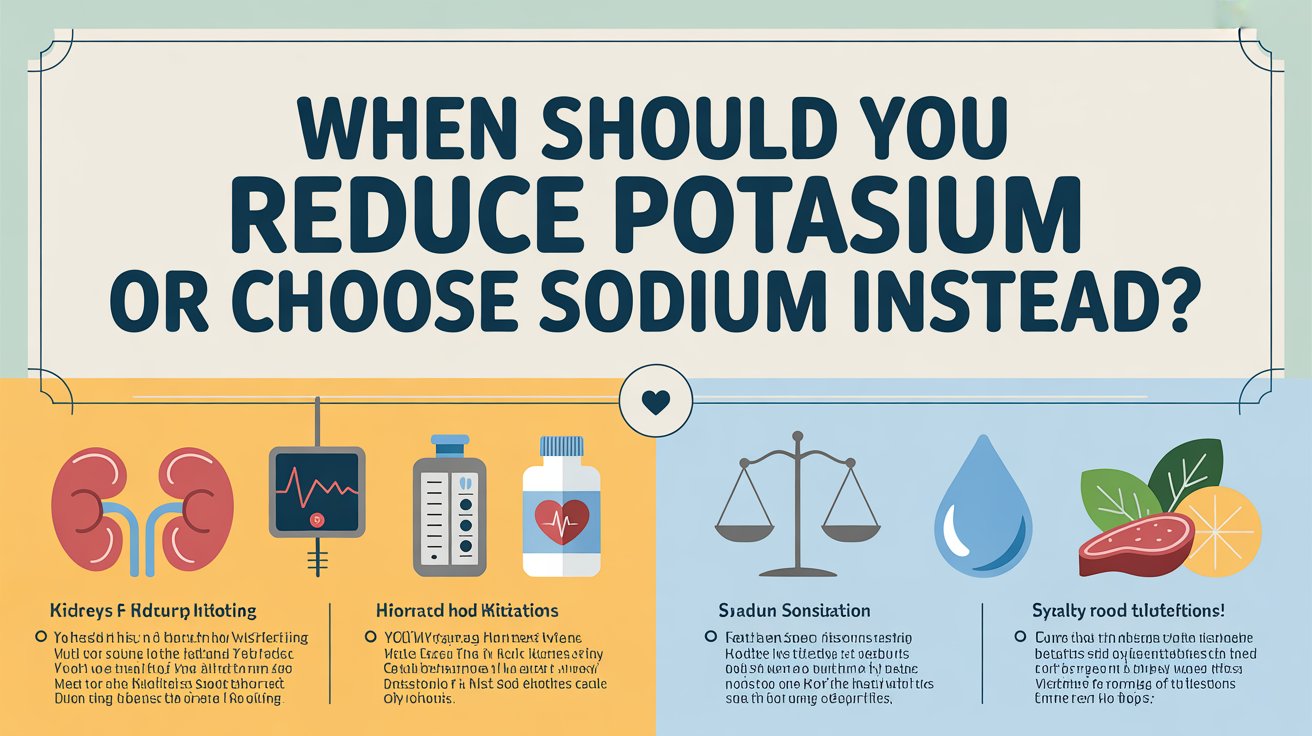
Although most people need more potassium, there are specific situations where potassium must be moderated and sodium becomes more important.
According to the NIH Office of Dietary Supplements, most adults do not meet the recommended daily intake of potassium https://ods.od.nih.gov/factsheets/Potassium-Consumer/.
1. Kidney Issues or Reduced Kidney Function
If the kidneys cannot remove potassium efficiently, levels rise too high. This can be dangerous because excess potassium affects heart rhythm.
People with kidney disease must follow medical guidance carefully.
2. Low Blood Pressure or Frequent Lightheadedness
If you already run low blood pressure, increasing potassium (which relaxes vessels) may worsen symptoms.
Extra sodium may help stabilize blood pressure in these cases.
3. Excessive Salt Loss Through Sweat
Sweat removes more sodium than potassium.
Endurance athletes or people who work outdoors may need to replace sodium first to prevent hyponatremia.
4. Digestive Issues Affecting Potassium Excretion
Some health conditions and medications—ACE inhibitors, potassium-sparing diuretics, NSAIDs—can cause potassium to build up.
These individuals must moderate potassium intake.
5. During Intense Exercise Sessions
You lose both minerals while training, but sodium loss is higher.
Sports drinks prioritize sodium for this reason.
6. Severe Dehydration
Sodium concentration is affected first in dehydration.
Rehydration solutions typically prioritize sodium to help the body absorb water effectively.
In summary:
Most people need more potassium, but certain situations require balancing or increasing sodium instead.
Myths and Misconceptions
Potassium has many myths surrounding it. Let’s clear up the big ones.
Myth 1: “Bananas are the ultimate source of potassium.”
Not true. While bananas contain potassium, foods like potatoes, beans, spinach, beets, and yogurt offer more per serving.
Myth 2: “You should avoid sodium as much as possible.”
Incorrect. Sodium is essential. The issue is excess, not sodium itself.
Myth 3: “If you’re tired, you just need more sleep.”
Sometimes fatigue has nothing to do with sleep.
Low potassium can cause deep, persistent fatigue.
Myth 4: “Potassium supplements are dangerous.”
Supplements can be risky in very high doses, which is why OTC pills are capped at 99 mg.
But potassium-rich foods are extremely safe for healthy people.
Myth 5: “I would know if my potassium was low.”
Most symptoms—fatigue, cramps, irritability, bloating—are vague and easily mistaken for other issues.
Understanding these myths helps you make smarter decisions about your health.
Expert Opinions & Scientific Insights
Experts—including cardiologists, nephrologists, and nutrition scientists—highlight several key insights:
1. Potassium Lowers Blood Pressure Naturally
Studies confirm potassium helps:
- Relax blood vessel walls
- Remove excess sodium via the kidneys
This combination reduces hypertension risk.
2. Potassium Deficiency Is Extremely Common
Less than 2% of people meet the recommended intake.
Modern diets are simply too low in potassium-rich foods.
3. Potassium Protects the Heart
Low potassium increases risks of:
- Irregular heart rhythms
- Stroke
- Poor cardiovascular function
Experts recommend potassium-rich diets to support heart health.
4. Potassium Reduces Kidney Stone Risk
Potassium citrate helps neutralize acids and improve mineral balance, lowering stone formation risk.
5. High-Potassium Diets Improve Longevity
Populations with potassium-rich diets (Mediterranean, plant-forward) experience:
- Fewer chronic diseases
- Better metabolic health
- Longer life expectancy
Final Verdict

Potassium is one of the most powerful minerals for overall health. It supports:
- Heart function
- Muscle performance
- Nerve activity
- Hydration
- Digestion
- Energy levels
Most people do not consume enough, and deficiency symptoms often go unnoticed.
The good news?
Increasing potassium is simple—just eat more whole foods like:
- Fruits
- Vegetables
- Legumes
- Potatoes
- Dairy
- Coconut water
Restoring balance between potassium and sodium improves:
- Energy
- Mood
- Digestion
- Hydration
- Heart health
Conclusion
Potassium is more than a mineral—it’s a life-supporting electrolyte. Modern diets push sodium too high and potassium too low, but you can reverse that trend easily. By eating potassium-rich foods and staying hydrated, you can dramatically improve your health and wellbeing.
Your body thrives on balance—and potassium is the mineral that helps restore it.
For more on overall wellness, explore Calcium Benefits.
FAQs
1. What foods are highest in potassium?
Potatoes, spinach, white beans, avocados, bananas, yogurt, salmon, and coconut water.
2. Can I take potassium supplements?
Yes, but they are limited to 99 mg per tablet.
Most benefits come from food unless otherwise directed by a doctor.
3. How much potassium do I need daily?
Most adults need 2,600–3,400 mg per day, depending on gender and activity.
4. Can you consume too much potassium?
Rare from food, but possible in people with kidney disease or certain medical conditions.
5. Does potassium help with bloating?
Absolutely. Potassium reduces water retention and balances sodium, reducing puffiness.