

Table of Contents
Introduction: Understanding Sulfur-Rich Foods and Their Role in Health
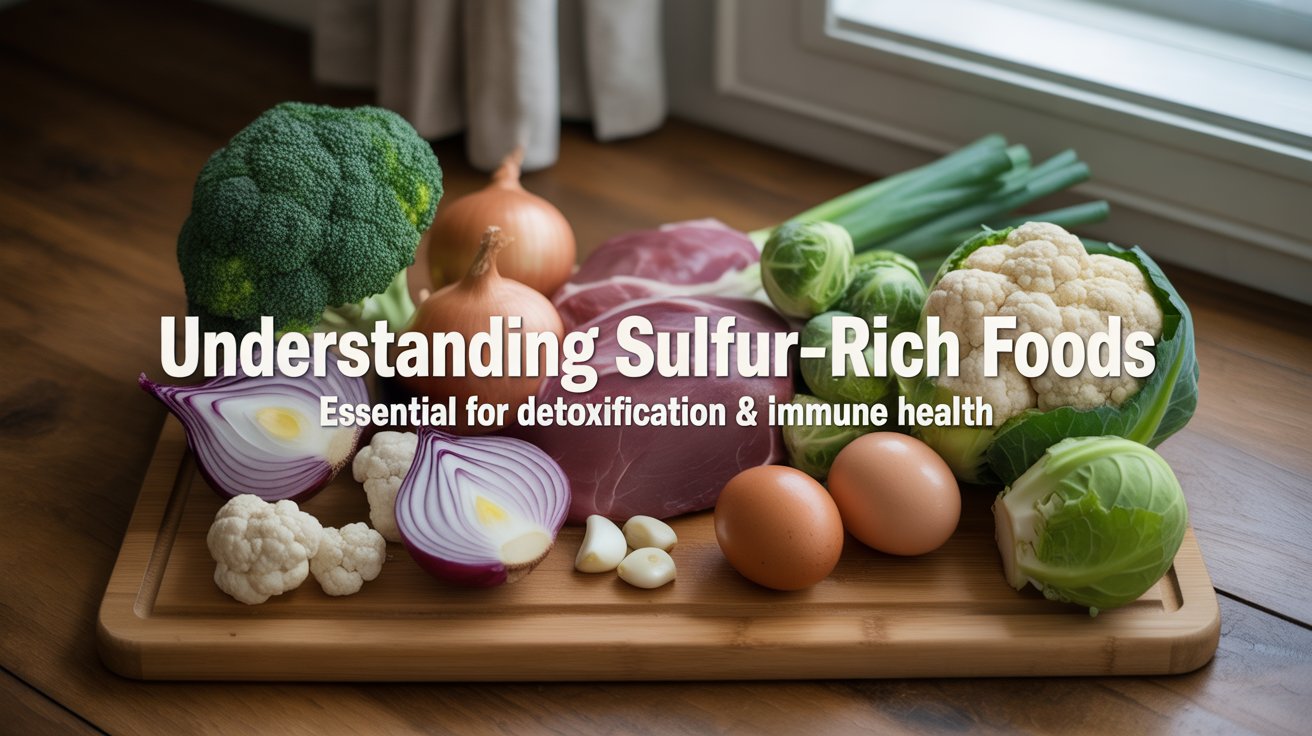
When you think of nutrients essential for glowing skin, a sharp immune system, and a well-balanced gut, sulfur probably isn’t the first thing that comes to mind. Most people talk about vitamins, antioxidants, minerals like magnesium or zinc—but very few ever mention sulfur. And yet, sulfur is quietly involved in almost every major system of your body. It helps build proteins, fuels detoxification, strengthens hair and nails, supports joint health, and even helps regulate your microbiome. In short: if your body were a machine, sulfur would be one of the screws holding everything in place. Incorporating sulfur-rich foods into your diet can boost your skin, hair, and nail health.
But here’s the thing: even though sulfur is the third most abundant mineral in your body, many people still don’t get enough of it from their diet. Why? Because we’ve moved away from sulfur-rich foods—like garlic, onions, cruciferous vegetables, eggs, and certain legumes—toward more processed, sulfur-depleted diets. And when sulfur levels drop, you can feel it. Low energy, dull skin, slower healing, weak immunity, digestive troubles—all can be tied to inadequate sulfur intake. Garlic, onions, and cruciferous vegetables are some of the most potent sulfur-rich foods you can eat.
Understanding sulfur-rich foods isn’t just a nutrition topic. It’s a lifestyle shift. It’s about realizing how foods like garlic or broccoli can literally change the way your body detoxifies, how your skin glows, and how resistant you are to infections.
In this guide, we’re diving deep into two categories of sulfur found in foods:
- Organic sulfur, naturally found in whole foods
- Inorganic sulfur, often found in preservatives, additives, and water
Regular consumption of sulfur-rich foods supports detoxification and liver health. Most people don’t know the difference. Fewer understand how each behaves inside the body.
By the end of this article, you’ll not only know what to eat—you’ll understand why your body thrives on sulfur, how it works, and how choosing the right sulfur sources can transform your health from the inside out.
Let’s begin.
What Is Organic Sulfur?
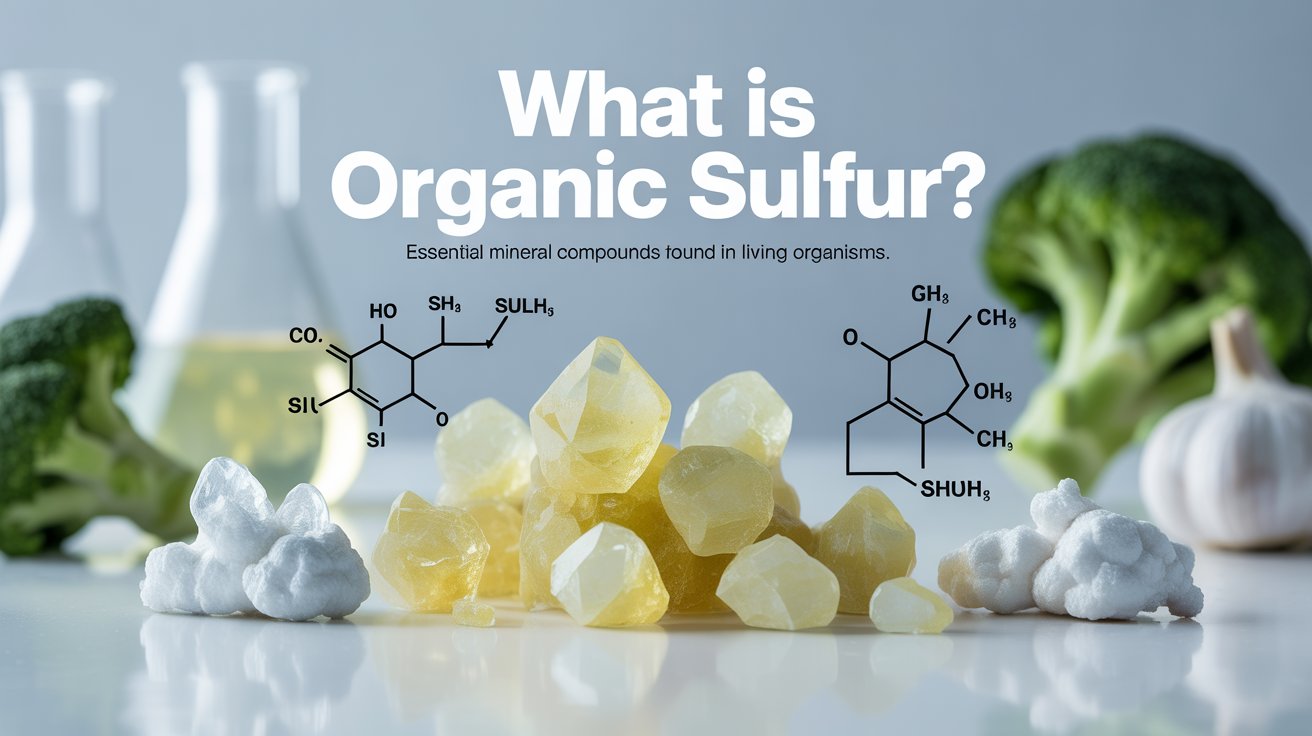
Organic sulfur refers to sulfur-containing compounds found naturally in plant and animal foods. These molecules aren’t just “sulfur” in the chemistry-lab sense—they are bioactive compounds that interact with your body in powerful ways, supporting detoxification pathways, repairing tissues, and modulating inflammation. When you hear health buzzwords like sulforaphane, MSM (methylsulfonylmethane), allicin, or glutathione, you’re hearing about the effects of organic sulfur. Vegetarians and vegans can obtain essential nutrients by including sulfur-rich foods like legumes and nuts.
So why is organic sulfur such a big deal? Because it’s the form your body recognizes, absorbs, and uses most efficiently. Organic sulfur helps build amino acids like cysteine and methionine—literally the building blocks of your skin, hair, nails, and collagen. Without these, your skin loses elasticity, your hair may thin, and your recovery from exercise or injury becomes noticeably slower.
Organic sulfur is also essential for detoxification. Your liver cannot efficiently neutralize toxins without sulfur-based amino acids. Ever wonder why cruciferous vegetables (like broccoli or kale) are known as “detox foods”? It’s because they’re packed with sulfur compounds that activate your liver’s cleansing enzymes. Eating sulfur-rich foods helps strengthen your immune system and reduce inflammation.
Where do we get organic sulfur?
- Garlic, onions, shallots, chives
- Broccoli, cabbage, Brussels sprouts, cauliflower
- Eggs (especially the yolks)
- Beans and legumes
- Nuts and seeds
- Meat, poultry, and seafood
- MSM supplements (a concentrated sulfur source)
When you consume these foods, their sulfur compounds break down into active molecules that support immunity, reduce inflammation, and help your gut maintain a healthy bacterial balance.
Think of organic sulfur as nature’s repair kit. Whether it’s rebuilding collagen, strengthening your immune cells, or helping your gut break down toxins, organic sulfur is constantly working behind the scenes. And in the next sections, we explore exactly how it does that—starting with the fascinating roles of glucosinolates and sulforaphane.
Health Functions of Organic Sulfur – Part 1 (Glucosinolates & Sulforaphane)
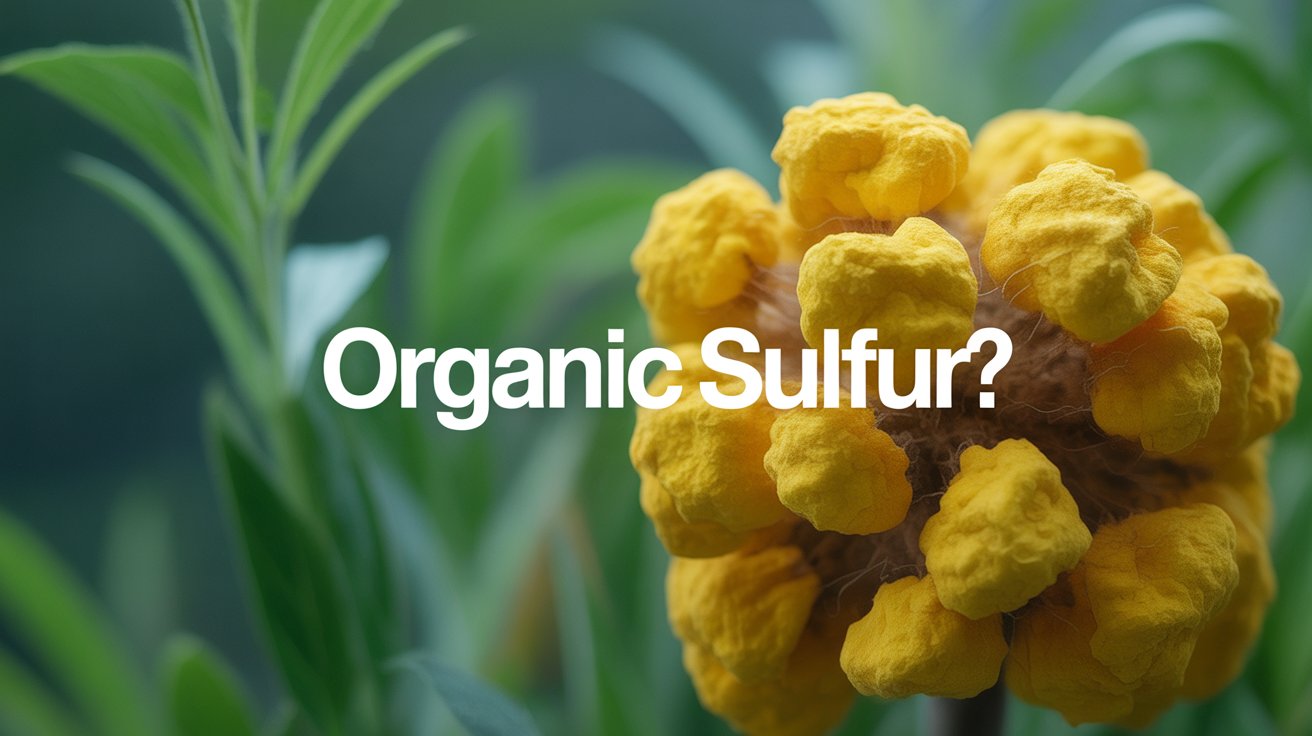
Glucosinolates are natural sulfur-containing compounds found primarily in cruciferous vegetables like broccoli, kale, cauliflower, mustard greens, and Brussels sprouts. When you chop, chew, or crush these vegetables, an enzyme called myrosinase converts glucosinolates into sulforaphane—one of the most powerful natural antioxidants and detoxifiers ever studied.
Cruciferous vegetables such as broccoli and cauliflower are top examples of sulfur-rich foods. Sulforaphane works on a cellular level. It activates a protein called Nrf2, which acts like your body’s “master switch” for detoxification and antioxidant defense. This means fewer toxins, reduced inflammation, and stronger protection against cellular damage. Many experts believe this is why populations that eat more cruciferous vegetables tend to have better overall health and longevity. Adding sulfur-rich foods to your meals may improve digestion and gut microbiome balance.
But the benefits don’t stop there. Glucosinolates support gut health by feeding beneficial bacteria and reducing harmful ones. They also help regulate hormones, particularly estrogen, which is why these vegetables are often recommended for hormonal balance.
If you want glowing skin, a stronger immune system, or enhanced detoxification, glucosinolate-rich vegetables should be a non-negotiable part of your diet. If you want glowing skin, consider adding more sulfur-rich foods to your weekly menu.
Health Functions of Organic Sulfur – Part 2 (Allicin, MSM, & Other Organosulfur Compounds)
Allicin, the star compound in garlic, is formed when fresh garlic is crushed or chopped. It has antimicrobial, antiviral, and antifungal properties—almost like nature’s built-in defense system. This is why garlic is such a powerful immunity booster. Allicin also improves circulation and supports heart health by relaxing blood vessels and reducing plaque buildup. Cooking methods can affect the potency of sulfur-rich foods, so light steaming is ideal.
MSM (methylsulfonylmethane) is another important organic sulfur compound found in vegetables, grains, and supplements. MSM is famous for improving joint health, reducing inflammation, boosting energy, and supporting collagen synthesis. Many people take MSM to reduce skin dullness and improve hair thickness. Organic sulfur-rich foods like garlic contain compounds such as allicin that enhance immunity.
Other organosulfur compounds—like cysteine, taurine, and glutathione—act as antioxidants, protect your cells from stress, and help repair tissues.
Together, these sulfur compounds form a “defense + repair” system for your body, helping you stay more resilient, energetic, and youthful.
What Is Inorganic Sulfur?
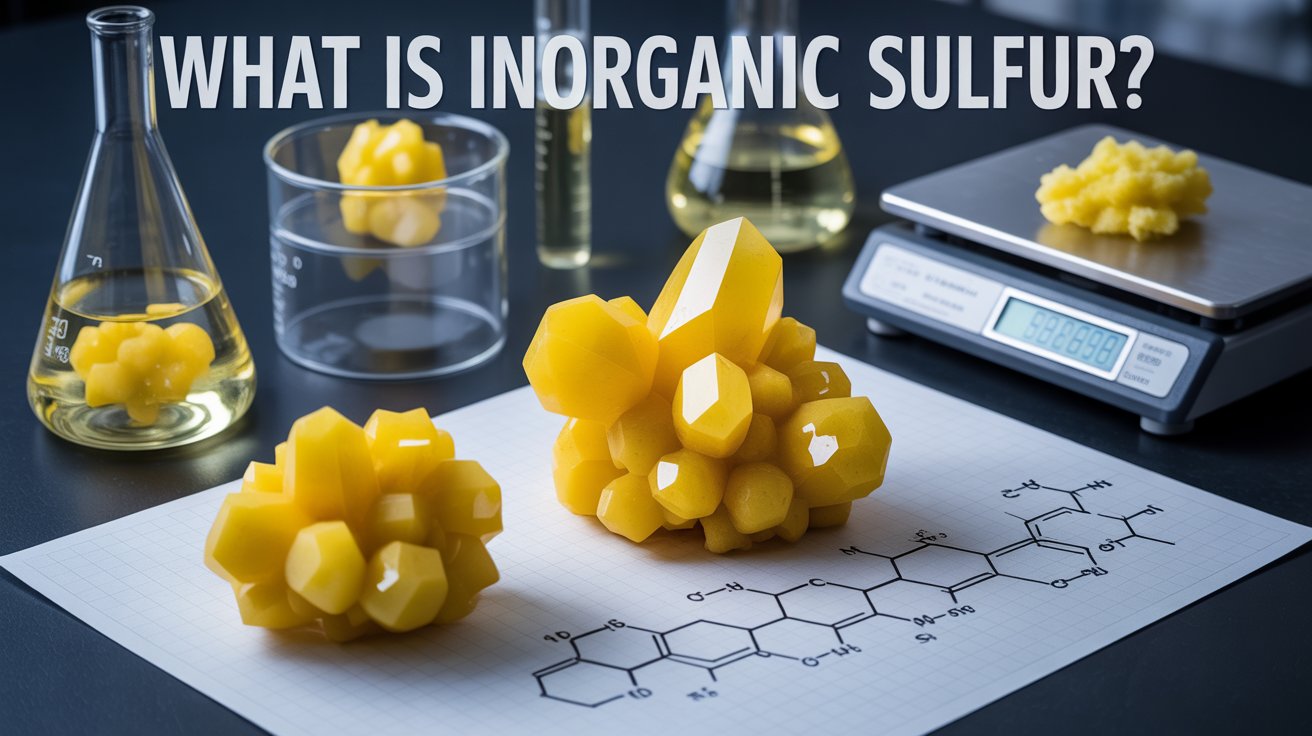
Inorganic sulfur refers to sulfur in its mineral form—usually as sulfates or sulfites. Unlike organic sulfur, which is found naturally in foods, inorganic sulfur is often added deliberately to products as a preservative, stabilizer, or processing agent. You’ll find it in dried fruits, wine, processed snacks, canned foods, and even drinking water.
Now, here’s where things get interesting: inorganic sulfur isn’t inherently “bad.” In fact, sulfates are essential for many bodily functions, including the formation of cartilage, hormones, and digestive enzymes. Your body also uses sulfates to detoxify drugs and toxins. But the source and amount matter—a lot.
Sulfites (a different form of inorganic sulfur), however, can trigger sensitivity in some people. Ever noticed headaches or flushed skin after drinking wine or eating dried apricots? That’s often sulfite sensitivity. While harmless for most people, sulfites can cause reactions in those with allergies or asthma. Sulfur-rich foods are also known for their role in joint health and reducing muscle soreness.
Another key difference is how the body processes inorganic sulfur. Unlike organic sulfur compounds that come packaged with antioxidants, vitamins, and enzymes, inorganic sulfur is absorbed differently and doesn’t provide the same detoxification benefits. Think of it as a raw mineral versus a biologically active compound. MSM supplements are a concentrated form of sulfur-rich foods for targeted joint support.
Inorganic sulfur sources include:
- Drinking water (varies by region)
- Dried fruits (especially apricots and raisins)
- Wine and beer
- Pickles and condiments
- Some baked goods
- Certain medications
- Processed meats and sausages
- Food preservatives labeled as E220–E228
In moderation, inorganic sulfur is safe and necessary. But understanding the difference between this form and organic sulfur is crucial for choosing the right foods for your skin, immunity, and gut health. A diet abundant in sulfur-rich foods can help regulate hormones and support overall wellness.
Types and Roles of Inorganic Sulfur – Part 1 (Sulfates in Food & Water)
Sulfates are the most common form of inorganic sulfur found in everyday life. They naturally occur in soil and water, which means they end up in vegetables, grains, and even the water flowing from your tap. Sulfates are also intentionally added to certain foods and beverages to improve texture, prevent microbial growth, or enhance stability. While this might sound like typical food-processing chemistry, sulfates actually serve important biological functions.
Your body uses sulfates to support enzyme function, help form cartilage, and assist in the detoxification of drugs and environmental toxins. When consumed in moderate amounts, sulfates are generally safe and well-tolerated. You’ll find them in mineral water, some breads, certain beers, and vegetables grown in sulfate-rich soil.
However, excessive sulfate intake—usually from contaminated water or industrial exposure—can lead to digestive discomfort, including diarrhea or dehydration. This is why sulfates in drinking water are regulated in many countries. Still, for most people, dietary sulfates pose no major risk and help maintain normal metabolic function. They just lack the unique antioxidant, detoxifying, and anti-inflammatory properties of organic sulfur. Combining sulfur-rich foods with other nutrient-dense ingredients maximizes their health benefits.
Types and Roles of Inorganic Sulfur – Part 2 (Sulfites, Preservatives & Their Effects)

Sulfites are another form of inorganic sulfur, but unlike sulfates, they are primarily used as preservatives. Their job is simple: keep food fresh-looking, prevent browning, and extend shelf life. You’ll see them listed on ingredients as E220 to E228 or words like “sodium sulfite” or “potassium bisulfite.”
Sulfites are extremely effective at stopping spoilage—but they come with caveats. For most people, sulfites are harmless. But for those with asthma, allergies, or chemical sensitivities, sulfites can cause headaches, breathing issues, hives, or flushing. This is why wine labels often say “contains sulfites.” The anti-inflammatory properties of sulfur-rich foods make them essential for chronic disease prevention.
Foods high in sulfites include:
- Wine, beer, cider
- Dried fruits (apricots, raisins, prunes)
- Vinegars and pickled foods
- Some canned vegetables
- Packaged snacks
- Bottled lemon juice
- Processed meats
While the body can convert sulfites into sulfates, this process doesn’t provide the powerful health benefits you get from organic sulfur foods. Sulfites preserve food—but they don’t “preserve” your health in the same way that garlic, onions, and cruciferous vegetables do. Sulfur-rich foods contribute to antioxidant defense, protecting cells from oxidative stress.
Key Differences Between Organic Sulfur and Inorganic Sulfur
Now that we’ve explored both types of sulfur, it’s time to highlight the differences that truly matter. Organic and inorganic sulfur may share the same base element, but their structure, function, and impact on your body are worlds apart.
The easiest way to understand the difference is to think of organic sulfur as nutrient-rich, biologically active compounds, whereas inorganic sulfur acts more like a raw material or preservative. Organic sulfur comes packaged with antioxidants, enzymes, vitamins, and phytochemicals that work synergistically to support your health. Think of garlic releasing allicin, or broccoli turning glucosinolates into sulforaphane. These foods don’t just give sulfur—they activate detox pathways, reduce inflammation, enhance immunity, and strengthen skin and gut health. Regular intake of sulfur-rich foods can enhance hair thickness and reduce brittleness.
Inorganic sulfur, on the other hand, comes mainly from sulfates and sulfites. Sulfates do support metabolism, detoxification, and cartilage formation—but they don’t have the “superpowers” that organic sulfur compounds do. Sulfites are mainly for preservation, and while safe for most people, they can trigger sensitivities.
Another key difference is bioavailability. Organic sulfur compounds are often easier for the body to use effectively. They turn into molecules like glutathione, cysteine, and taurine—essential for immune function, collagen production, and antioxidant defense. Inorganic sulfur reacts differently in the body and cannot replace these high-impact organic sulfur pathways.
Taste is also a differentiator. Organic sulfur foods have distinctive flavors—sharp garlic, pungent onions, earthy broccoli—which signal bioactive plant compounds. In contrast, sulfates and sulfites are flavor-neutral and often invisible in food labels. Culinary preparation can unlock the benefits of sulfur-rich foods, such as crushing garlic to release allicin.
Practically speaking:
If your goal is radiant skin, better immunity, and improved gut health, organic sulfur is what you want to prioritize. Inorganic sulfur plays supportive roles, but it’s organic sulfur that drives transformation.
Source and Processing

Understanding the difference between organic and inorganic sulfur begins with where they come from and how they are processed—both naturally and industrially. Organic sulfur originates in living organisms: plants absorb sulfur from the soil and convert it into complex compounds like glucosinolates or alliin, while animals incorporate sulfur into proteins and tissues. In this form, sulfur is “biologically packaged”, meaning it comes with nutrients that help your body absorb and use it effectively.
Processing organic sulfur is simple—it’s just cooking, cutting, grinding, or fermenting foods. In fact, some processing enhances sulfur’s benefits. Cutting garlic activates allicin. Chewing broccoli releases sulforaphane. Fermenting cabbage into kimchi boosts antioxidant potential. Nature designed organic sulfur to become more potent through everyday kitchen preparation. Prioritizing sulfur-rich foods in your diet ensures long-term benefits for skin, immunity, and gut health.
Inorganic sulfur, on the other hand, is sourced from minerals and industrial processes. Sulfates may occur naturally in water or be added during manufacturing. Sulfites are produced synthetically to preserve food. These forms of sulfur aren’t biologically active; they’re functional additives used to extend shelf life or stabilize products.
Processing also differs dramatically. Inorganic sulfur is refined, purified, and chemically treated before being added to food. This ensures safety but doesn’t provide additional health value. In contrast, organic sulfur remains part of whole foods—where nutrients, fiber, and antioxidants work together. This synergy is something inorganic sulfur can never replicate.
Another crucial point is that processing can reduce organic sulfur. Overcooking cruciferous vegetables destroys the enzymes needed to create sulforaphane. Microwaving garlic right after chopping destroys allicin. So, proper preparation matters. Including sulfur-rich foods in every meal can help maintain healthy joints and connective tissue.
Finally, organic sulfur is renewable and naturally replenished by the earth’s sulfur cycle. Inorganic sulfur relies more heavily on industrial extraction.
In short: organic sulfur comes from nature’s chemistry set, while inorganic sulfur comes from a laboratory or mineral source. Both have uses, but their impact on your health is not the same.
Onions and garlic are not just flavorful—they are excellent sulfur-rich foods.
Taste / Physical Differences
Taste is one of the easiest—and most interesting—ways to understand the difference between organic and inorganic sulfur. Organic sulfur foods have bold, distinctive flavors. Garlic is spicy and aromatic. Onions can be sweet, sharp, or pungent. Broccoli and cabbage have a slightly bitter, earthy tone. Even eggs contain a sulfur “note” if you’ve ever noticed that familiar aroma while boiling them. Eating a variety of sulfur-rich foods supports detox pathways and antioxidant defense.
Why do these foods taste and smell this way? Because sulfur compounds are incredibly reactive. When you cut an onion, for example, sulfur molecules break apart and create new compounds that trigger tears and strong aromas. These same compounds are what provide powerful health benefits. In other words, the smell is a sign of bioactivity. Eggs and legumes are nutritious sulfur-rich foods that support hair and skin health.
Physical characteristics also vary. Sulfur-rich plants often have thick leaves, dense florets, or strong fibers. This resilience is nature’s way of protecting the plant—and those same compounds protect your cells.
Inorganic sulfur, in contrast, has almost no flavor at all. Sulfates and sulfites are added silently to foods. You don’t taste them, smell them, or notice them unless you react physically (like headaches or flushing from wine). Their “invisibility” is what makes them useful in manufacturing, but it’s also why many people consume sulfites without even knowing. Sulfur-rich foods like broccoli help balance hormones and improve gut function.
Texture is another factor. Organic sulfur foods are often crunchy, fibrous, or hearty—broccoli stems, cabbage leaves, onion layers—because sulfur contributes to plant structure. Inorganic sulfur does not affect texture in the same natural way; instead, it might keep foods artificially soft, moist, or shelf-stable.
Finally, sulfur-rich foods often produce a stronger aroma during cooking. This isn’t a bad thing—it’s simply the organic sulfur compounds becoming active. Meanwhile, foods high in sulfites or sulfates smell no different from usual. For glowing skin, make sure to incorporate sulfur-rich foods into your daily diet.
If your nose can detect it, it’s almost certainly organic sulfur. If it’s undetectable, it’s likely inorganic.
Nutritional / Functional Differences
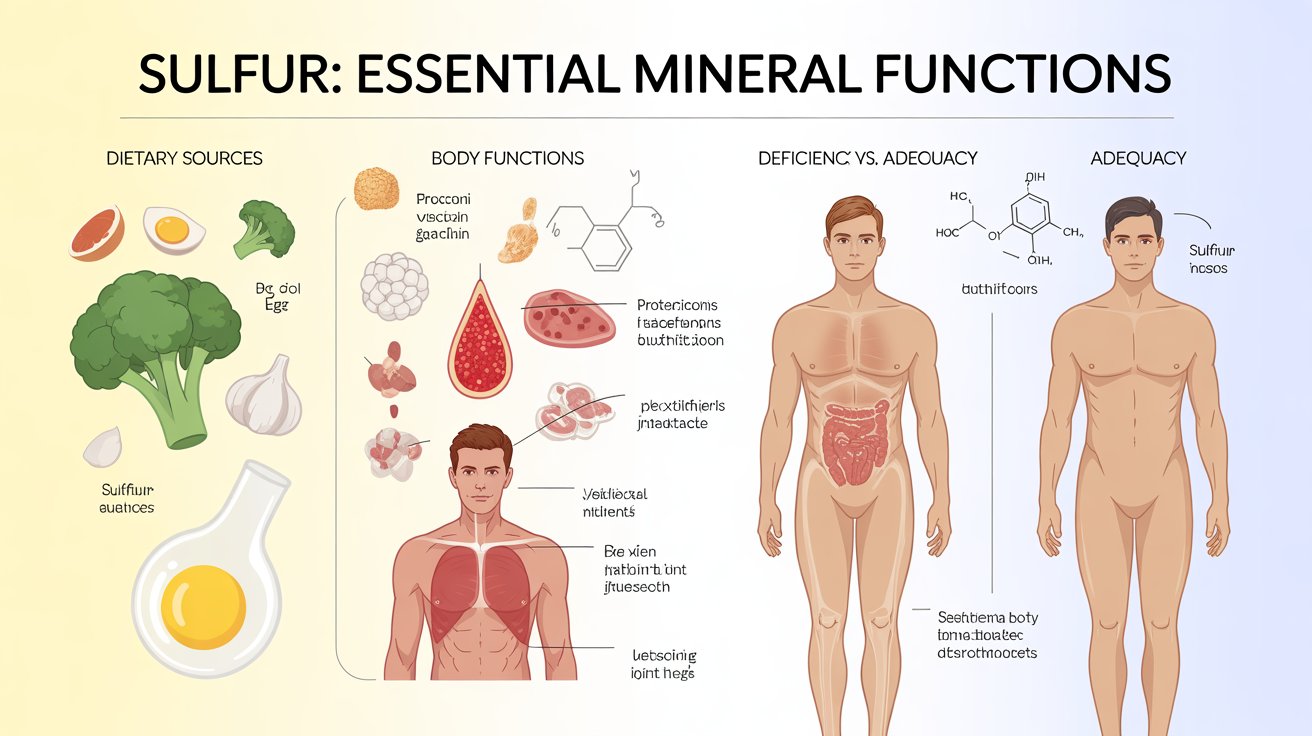
When comparing organic and inorganic sulfur, the most important distinction is how they function nutritionally. Organic sulfur is deeply integrated into your body’s biochemistry. It’s a structural component of amino acids like cysteine and methionine, which are essential for building proteins, enzymes, and hormones. This is why organic sulfur supports skin elasticity, tissue repair, immune function, and detoxification. It’s directly involved in producing glutathione, one of the most powerful natural antioxidants your body makes.
Organic sulfur compounds—such as sulforaphane, allicin, and MSM—also act as potent anti-inflammatory and antioxidant agents. They support joint health, help regulate hormones, reduce oxidative stress, and enhance gut microbial diversity. Their benefits go far beyond basic nutrition; they actively improve cellular health and metabolic processes. Organic sulfur-rich foods provide compounds that boost immunity naturally.
Inorganic sulfur, on the other hand, plays a more mechanical role. Sulfates support certain detox pathways and help maintain normal digestive function, but they do not provide the complex biological actions that organic sulfur does. Sulfites serve almost entirely as preservatives and do not contribute nutritionally in any meaningful way.
Another key difference is synergy. Organic sulfur arrives in your body alongside vitamins, minerals, fiber, polyphenols, and enzymes. These nutrients work together to increase absorption and effectiveness. Think of organic sulfur-rich foods as “complete packages.” In contrast, inorganic sulfur often comes isolated and without supportive nutritional elements.
Your body can use inorganic sulfur-rich food, but it cannot create sulforaphane from sulfates or allicin from sulfites. This is why relying solely on processed foods with inorganic sulfur will not deliver the health benefits associated with garlic, onions, broccoli, or eggs.
In summary: organic sulfur nourishes your body at the cellular level, while inorganic sulfur assists in metabolic housekeeping. Both have roles—but organic sulfur is the true powerhouse for wellness.
Benefits of Organic Sulfur
Organic sulfur has a long list of health benefits that affect nearly every part of your body. One of the most well-known advantages is improved skin health. Sulfur helps your body create collagen and keratin—the proteins responsible for firm, youthful-looking skin, strong nails, and resilient hair. This is why sulfur-rich foods are often recommended for acne, eczema, dryness, and premature aging.
Another major benefit is improved detoxification. Organic sulfur compounds activate powerful enzymes in your liver that break down toxins, pollutants, heavy metals, and metabolic waste. Sulforaphane, for example, is so potent that it’s considered one of the most effective natural detox molecules on earth.
Organic sulfur also plays a key role in immune function. Compounds like allicin have antimicrobial and antiviral properties, helping your body fight infections more effectively. This is why garlic has been used for centuries as a natural antibiotic.
Gut health is another area where organic sulfur shines. Cruciferous vegetables feed beneficial bacteria, while sulfur-based amino acids help repair the gut lining and regulate inflammation. This can improve digestion, reduce bloating, and strengthen your microbiome.
Joint and muscle health also benefit greatly from sulfur. MSM, in particular, is known for reducing inflammation, improving flexibility, and easing joint discomfort. Cruciferous sulfur-rich foods can help protect against cellular damage.
Finally, organic sulfur supports hormone balance, heart health, and even cognitive function. Its antioxidant properties help protect brain cells and reduce oxidative damage.
In essence, organic sulfur doesn’t just support health—it enhances it. It’s like giving your body premium-grade fuel that powers everything from detoxification to skin renewal.
Benefits of Inorganic Sulfur
Although inorganic sulfur doesn’t offer the same wide-ranging biological benefits as organic sulfur, it still has important roles that shouldn’t be overlooked. First, sulfates contribute to digestive health by helping maintain the balance of fluids in the gut. They also support the production of digestive enzymes, making nutrient absorption more efficient. Including sulfur-rich foods in your diet is essential for collagen and keratin synthesis.
Sulfates are involved in several detoxification pathways in the liver. Your body uses them to process medications, food additives, and environmental toxins. While they aren’t as powerful as organic sulfur compounds, they do support your body’s internal cleansing system. Sulfur-rich foods like garlic and onions have antimicrobial properties.
Inorganic sulfur is also vital for the formation of cartilage and connective tissue. This means sulfates help maintain joint flexibility and support skeletal health. Certain forms of sulfate, such as chondroitin sulfate, are even used as supplements for joint support.
Another role inorganic sulfur plays is in maintaining normal metabolic function. Sulfates help regulate enzymes, support hormone production, and assist in proper electrolyte balance. They also contribute to protein synthesis, although less directly than organic sulfur. Regular intake of sulfur-rich foods promotes detoxification and liver function.
Sulfites, while primarily preservatives, do offer benefits for food safety. They prevent bacterial growth, mold formation, and oxidation in packaged foods. This helps reduce spoilage and foodborne illness. For most people, sulfites are harmless in regulated amounts.
While inorganic sulfur does not replace the powerful effects of organic sulfur, it works as a supportive nutrient in moderation. Think of inorganic sulfur as the “background assistant” in your body’s metabolic orchestra—it plays its part quietly but consistently. Vegetables and eggs are versatile sulfur-rich foods suitable for any meal.
Comparison Table Between Both Types
Before diving into the table, let’s recap the purpose of comparing organic and inorganic sulfur. Although both contain the same elemental sulfur, their functions, sources, and impacts on your health differ dramatically. Organic sulfur acts as a biologically active healing agent, while inorganic sulfur mainly functions as a structural or preservative mineral.
Comparison Table
| Feature | Organic Sulfur | Inorganic Sulfur |
|---|---|---|
| Primary Sources | Garlic, onions, cruciferous vegetables, eggs, meat, MSM | Drinking water, dried fruits, wine, canned foods, preservatives |
| Main Compounds | Sulforaphane, allicin, MSM, cysteine, methionine | Sulfates, sulfites |
| Biological Activity | High — antioxidant, anti-inflammatory, detoxifying | Low — mainly structural or preservative |
| Taste/Aroma | Strong, distinctive | Neutral or undetectable |
| Health Benefits | Skin health, immunity, gut support, detox, joints | Detox support, cartilage formation, food preservation |
| Sensitivity Risk | Low | Higher (especially sulfites in sensitive individuals) |
| Nutrient Synergy | High — comes with vitamins, minerals, enzymes | None — isolated or synthetic |
| Best For | Wellness, anti-aging, healing | Food stability, basic metabolic support |
When comparing the two, one thing is clear: if you’re aiming for glowing skin, stronger immunity, or better gut health, organic sulfur is the star player. Inorganic sulfur has important roles, but they’re more functional and less therapeutic.
Organic sulfur foods nourish your body on a cellular level, while inorganic sulfur mainly keeps products fresh or supports basic metabolic tasks. Both matter—but not equally.
Is Organic Sulfur Safer or Better Than Inorganic Sulfur?
When it comes to safety and effectiveness, organic sulfur clearly takes the lead for most health purposes. The reason is simple: organic sulfur is a naturally occurring, biologically active form that your body can recognize, absorb, and utilize effectively. It comes bundled with antioxidants, enzymes, and vitamins, which means it not only provides sulfur but also amplifies the benefits through synergy with other nutrients. Sulfur-rich foods are key for maintaining strong nails, hair, and healthy skin.
In contrast, inorganic sulfur—particularly sulfites—can pose risks for certain people. While sulfates are generally safe and even beneficial, sulfites may trigger allergic reactions, asthma flare-ups, or headaches in sensitive individuals. These effects are rare in the general population but are still worth noting if you have food sensitivities.
Another advantage of organic sulfur is its long track record of health benefits. Thousands of studies highlight how compounds like sulforaphane, allicin, and MSM reduce inflammation, support liver detoxification, strengthen joints, and even protect against chronic diseases. Inorganic sulfur does not carry the same therapeutic potential. It can support digestion, joint structure, and metabolic processes—but it’s not going to give you glowing skin, strong immunity, or a flourishing gut microbiome in the same way.
It’s also worth noting the safety of high consumption. Organic sulfur from natural foods is generally safe, with no upper limit concerns for most people. You might notice stronger smells from garlic or cruciferous vegetables, but these are harmless indicators of active compounds. Inorganic sulfur, especially in concentrated or synthetic forms, requires regulation. That’s why food labels often warn about sulfite content. People with digestive issues benefit from including sulfur-rich foods like cruciferous vegetables.
In short, if your goal is overall wellness, beauty, and immunity, organic sulfur is the safer and more effective choice. Inorganic sulfur plays supporting roles, but it cannot replace the active benefits that come naturally from foods like garlic, onions, or broccoli.
Regulation & Safety Standards

Regulation around sulfur varies depending on whether it is organic or inorganic, and whether it’s found naturally in foods or added as a preservative.
- For organic sulfur, there are essentially no strict upper limits in foods because these compounds occur naturally. Regulatory bodies generally consider cruciferous vegetables, garlic, onions, and eggs safe, even in generous amounts. Supplements like MSM are also regulated for purity and dosage but are widely regarded as safe when used as recommended.
- Inorganic sulfur, particularly sulfites, is heavily regulated. The FDA, EFSA, and other global agencies have established strict limits on the amount of sulfites allowed in foods and beverages to minimize allergic reactions and sensitivities. For example, dried fruits, wines, and bottled beverages must include warnings if sulfite levels exceed 10 ppm (parts per million). Similarly, drinking water with high sulfate content is monitored to prevent gastrointestinal distress.
- Sulfates, although generally safe, are also subject to regulation. Some regions limit sulfate content in drinking water to prevent laxative effects, taste issues, and potential digestive discomfort.
Another regulatory distinction is labeling. Foods containing sulfites or added sulfates must be clearly marked on ingredient lists in most countries. Organic sulfur foods, however, are naturally occurring and typically do not require any specific labeling.
For consumers, the takeaway is straightforward: organic sulfur is generally safe, natural, and requires little oversight. Inorganic sulfur is controlled to ensure safe consumption, especially for sensitive individuals. Understanding these regulations can help you make informed choices when reading labels, buying packaged foods, or considering supplements.
Environmental Impact
The environmental story of sulfur is fascinating because it reflects the natural versus industrial divide between organic and inorganic sources.
- Organic sulfur comes from plants and animals that absorb sulfur from the soil and air. These sources are renewable and naturally integrated into ecosystems. When you eat a garlic clove or a broccoli floret, you’re benefiting from a nutrient that was grown with minimal environmental impact, often requiring only sunlight, water, and soil nutrients to thrive.
- In contrast, inorganic sulfur often relies on industrial extraction. Sulfates are mined or chemically processed from minerals or fossil fuels. Sulfites are synthetically produced in factories for use as preservatives. This production can contribute to greenhouse gas emissions, chemical waste, and pollution if not carefully managed. Even though the amounts used in foods are small, the industrial processes have a larger ecological footprint compared to growing organic sulfur-rich crops.
Farming practices also influence sulfur content. Soil depleted of sulfur or over-processed crops can lead to reduced nutrient density in foods, forcing farmers or food producers to add inorganic sulfur back into diets through fortification or preservation. This creates a cycle where industrial intervention is required to make up for natural deficiencies.
On the positive side, sustainable organic farming—rotating crops, enriching soil, and using compost—naturally maintains sulfur content in vegetables without relying on chemicals. Choosing organic sulfur-rich foods not only benefits your health but also supports lower-impact farming methods, reduced chemical use, and healthier ecosystems.
In short, organic sulfur is more environmentally friendly because it comes from natural, renewable sources, whereas inorganic sulfur, especially synthetic preservatives, relies on industrial processes with higher environmental costs.
Lifestyle, Preferences, and Taste Differences
Your lifestyle, culinary preferences, and taste tolerance can influence how much sulfur you consume—and which type is more suitable.
- Organic sulfur foods often have strong flavors, which can be polarizing. Garlic, onions, and cruciferous vegetables are pungent, bitter, or spicy. If you enjoy bold flavors, incorporating organic sulfur is easy and satisfying. If you prefer milder tastes, you might rely more on processed foods containing inorganic sulfur, though you’ll miss out on the health benefits.
- Lifestyle also matters. Cooking methods, time constraints, and convenience influence how often you eat sulfur-rich foods. For instance, raw or lightly steamed cruciferous vegetables preserve sulforaphane, while overcooking destroys it. Organic sulfur often requires planning, meal prep, and some culinary skill to maximize benefits.
- In contrast, inorganic sulfur is invisible and doesn’t change the flavor of foods. Packaged snacks, dried fruits, and wine contain sulfites that require no preparation or taste adjustment. This makes inorganic sulfur convenient for modern, fast-paced lifestyles. The trade-off is that convenience comes with fewer health benefits.
- For vegetarians, vegans, or plant-based eaters, organic sulfur from vegetables, legumes, nuts, and seeds is essential, whereas inorganic sulfur is supplemental at best. For omnivores, organic sulfur can be combined with high-protein foods like eggs, meat, and seafood for a synergistic effect.
Ultimately, your taste preferences and lifestyle choices will determine which sulfur sources you include. Prioritizing organic sulfur whenever possible ensures both health and flavor. Inorganic sulfur fills gaps but should not replace whole foods.
Cost Comparison
Cost is often a deciding factor in food choices. Organic sulfur-rich foods like garlic, onions, cruciferous vegetables, eggs, and legumes are generally affordable, widely available, and nutrient-dense. Supplements like MSM can be more expensive but still offer concentrated benefits.
Inorganic sulfur, especially in the form of sulfites or fortified products, is included in packaged foods at minimal cost. While convenient, relying heavily on processed foods may increase overall grocery spending and reduce nutritional quality.
Cost Comparison Table
| Sulfur Type | Common Sources | Approximate Cost per Serving | Notes |
|---|---|---|---|
| Organic | Garlic, onions, broccoli, eggs | $0.20–$1 per serving | Nutrient-dense, bioactive, versatile |
| Organic (supplements) | MSM, sulforaphane capsules | $0.50–$2 per serving | Concentrated, high absorption |
| Inorganic | Dried fruits, wine, processed snacks | $0.10–$1 per serving | Convenient, low nutrient impact |
| Inorganic (fortified) | Packaged foods with added sulfites | $0.05–$0.50 per serving | Minimal health benefit |
In general, organic sulfur offers the highest nutritional bang for your buck, while inorganic sulfur is cheaper but functionally limited. Investing in whole foods ensures both health and long-term value.
When Should You Choose Organic Sulfur?
Organic sulfur should be your first choice whenever your goal is health, beauty, and longevity. If you’re aiming for glowing skin, strong immunity, better digestion, or stronger hair and nails, organic sulfur is the nutrient that can actually deliver those results. The reason is simple: organic sulfur contains biologically active compounds like sulforaphane, allicin, and MSM that interact with your body on a cellular level.
Situations Ideal for Organic Sulfur
- Skin Health: Acne, dryness, wrinkles, or brittle nails are often tied to sulfur deficiency. Foods like garlic, onions, eggs, and broccoli help rebuild keratin and collagen.
- Immune Support: If you’re prone to infections, organosulfur compounds like allicin boost your natural defenses.
- Gut Health: People suffering from bloating, constipation, or poor digestion benefit from cruciferous vegetables and legumes, which feed good gut bacteria.
- Joint or Muscle Health: MSM from organic sources reduces inflammation and strengthens connective tissue.
- Detoxification Needs: Exposure to environmental toxins, pollution, or processed foods? Organic sulfur supports liver detox pathways and antioxidant systems.
Organic sulfur is especially important for those following plant-based diets, as vegetables, legumes, nuts, and seeds are the main sulfur sources. Even omnivores benefit from incorporating sulfur-rich vegetables alongside eggs, meat, and seafood.
It’s also ideal for culinary enthusiasts, as organic sulfur foods are flavorful and versatile. Roasted garlic, sautéed onions, steamed broccoli, and fresh eggs can be incorporated into nearly every meal, providing both taste and nutrition.
Ultimately, if you care about long-term wellness and visible health benefits, organic sulfur should dominate your diet. Think of it as investing in a natural, nutrient-rich “repair and defense system” for your body.
When Should You Choose Inorganic Sulfur?
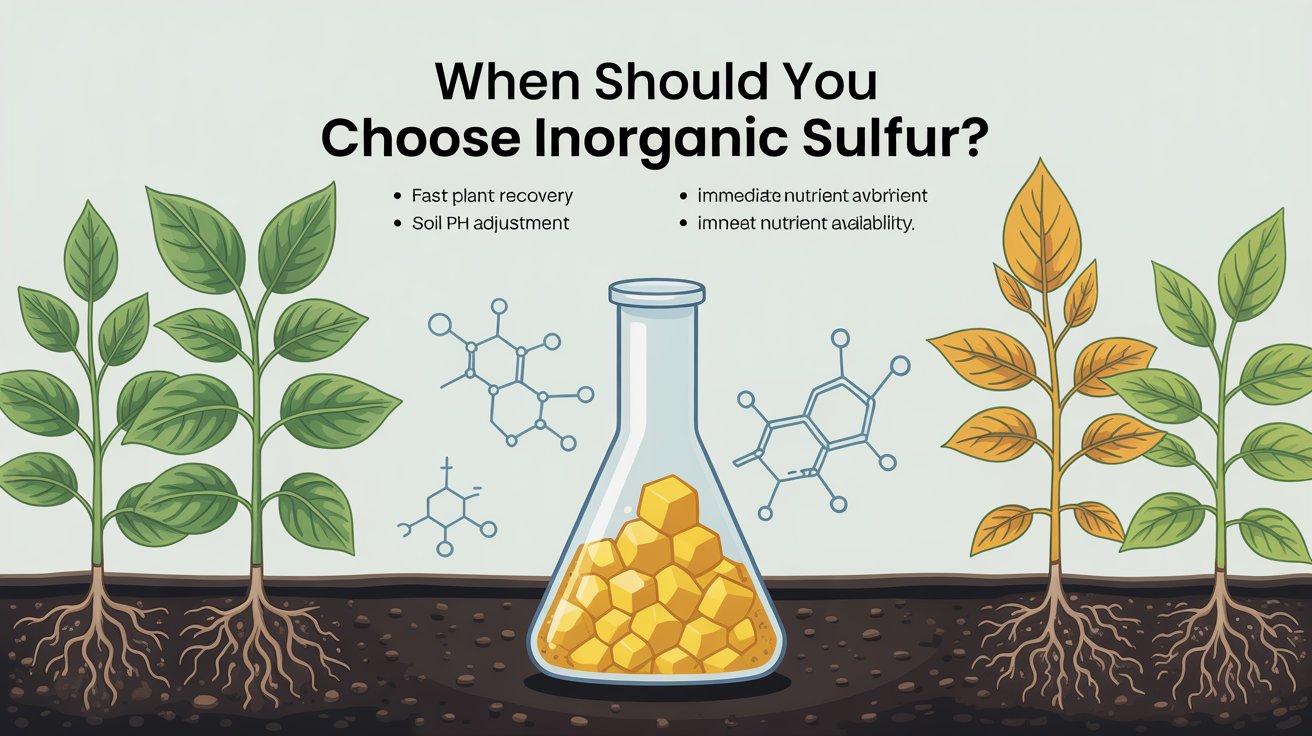
Inorganic sulfur is not a replacement for organic sulfur, but it does have practical uses in specific situations. Its primary function is supportive: sulfates help metabolic and digestive processes, and sulfites extend the shelf life of foods.
Situations Appropriate for Inorganic Sulfur
- Food Preservation: Sulfites prevent spoilage, mold, and microbial growth in dried fruits, wine, and other perishable items.
- Water with Low Sulfate Content: Some regions have sulfate-deficient drinking water. Consuming small amounts of inorganic sulfate naturally supports metabolism and detox pathways.
- Processed Foods: In industrial or convenience-based diets, sulfites ensure food safety without changing taste or texture.
- Medical or Supplement Needs: Certain inorganic sulfate compounds, such as chondroitin sulfate, support joint health or are used in medications.
However, inorganic sulfur is mostly functional rather than therapeutic. It doesn’t promote glowing skin, improve immunity, or enhance gut health in the way organic sulfur does. Monitor sulfite intake if you have sensitivities, allergies, or asthma, as reactions—though rare—can occur.
Think of inorganic sulfur as a supporting actor, rather than the star of your health story. It’s useful for convenience, safety, and some structural functions, but it cannot replace the active, bioavailable benefits of organic sulfur.
For most people focused on wellness, inorganic sulfur plays a secondary role. Organic sulfur should make up the bulk of your sulfur intake, with inorganic sulfur used selectively when needed.
Myths and Misconceptions
There are many myths surrounding sulfur and sulfur-rich foods. Let’s tackle the most common ones:
- “Sulfur makes your food taste bad.” Strong aromas in garlic, onions, and cruciferous vegetables are signs of active, beneficial compounds. Proper cooking can balance flavor while preserving nutrients.
- “All sulfur is the same.” Not true. Organic and inorganic sulfur behave differently in the body. Organic sulfur is biologically active, supporting detox, immunity, and skin health. Inorganic sulfur is mainly structural or preservative.
- “Eating sulfur-rich foods causes body odor.” Some foods like garlic and onions can cause temporary breath odor, but health benefits far outweigh this. Hydration and herbs can help.
- “Sulfur is only for hair and nails.” Sulfur supports immune function, detoxification, joint health, gut health, and hormone regulation.
- “Supplements are always better than food.” While MSM or sulforaphane supplements help, whole foods provide additional nutrients, fiber, and synergy that supplements cannot replicate.
By debunking these myths, it’s clear that sulfur is a foundational mineral with wide-reaching effects on health, beauty, and vitality.
Learn about the benefits of cruciferous vegetables, glucosinolates, and sulforaphane at Harvard T.H. Chan School of Public Health.
Expert Opinions & Scientific Insights

Research consistently highlights the power of sulfur for human health. Experts in nutrition, dermatology, and functional medicine emphasize that organosulfur compounds like sulforaphane, allicin, and MSM play crucial roles in maintaining cellular function.
- Dermatologists: Sulfur-rich foods improve skin elasticity and reduce inflammation-related conditions like acne and eczema. Collagen synthesis, driven by sulfur, is key for anti-aging.
- Immunologists: Allicin in garlic acts as a natural antimicrobial agent, reducing infection risk. Sulfur-containing amino acids are essential for immune cell production.
- Gastroenterologists: Cruciferous vegetables and legumes support gut health by nourishing beneficial gut bacteria and supporting detoxification.
- Functional Medicine Researchers: MSM and sulforaphane support joint health, detoxification, and cognitive function.
A growing body of studies confirms that a diet rich in organic sulfur correlates with lower inflammation, improved antioxidant defenses, and enhanced overall wellness. Meanwhile, inorganic sulfur (sulfates, sulfites) is useful but limited in therapeutic potential.
Takeaway: Prioritize organic sulfur from whole foods for maximum benefits, with inorganic sulfur as a secondary, functional nutrient.
Final Verdict
Sulfur is essential, but not all sulfur is created equal.
- Organic sulfur from garlic, onions, cruciferous vegetables, eggs, and legumes provides powerful health benefits—supporting glowing skin, robust immunity, gut health, detoxification, joint support, and hormone balance. It’s biologically active, nutrient-rich, and highly versatile.
- Inorganic sulfur, such as sulfates and sulfites, serves functional roles—helping with digestion, metabolic support, food preservation, and cartilage formation. However, its benefits are limited, and sulfites can trigger sensitivities in some individuals.
For anyone focused on wellness, beauty, and longevity, organic sulfur should dominate your diet. Inorganic sulfur can complement your intake when necessary but should never replace whole foods.
Think of it like this: organic sulfur is a premium, full-spectrum nutrient powerhouse, while inorganic sulfur is the supporting crew behind the scenes. Both are useful, but the star of the show is organic sulfur.
Conclusion
Sulfur-rich foods are a cornerstone of health. From the sharp bite of garlic to the earthy taste of broccoli, sulfur works quietly yet powerfully in your body. It builds skin, hair, and nails, strengthens immunity, supports joint function, and maintains a healthy gut.
Organic sulfur compounds like sulforaphane, allicin, and MSM are potent, providing anti-inflammatory, antioxidant, and detoxifying benefits that inorganic forms cannot match.
Inorganic sulfur still has a place. Sulfates support metabolic pathways, and sulfites preserve foods safely. But for real transformation—radiant skin, robust immunity, better digestion—organic sulfur should be your first choice.
Sulfur-rich foods are affordable, versatile, and easy to incorporate. Roasted garlic, sautéed onions, steamed broccoli, and eggs can be part of every meal. Even small changes, like adding garlic to salad or steaming cruciferous vegetables, can impact health.
By understanding the difference between organic and inorganic sulfur, prioritizing the right foods, and avoiding myths, you can harness sulfur’s full power. Think of it as nature’s secret ingredient for glowing health from the inside out.
For more on overall wellness, explore Potassium Benefits.
FAQs

- What are the best sulfur-rich foods?
Garlic, onions, cruciferous vegetables (broccoli, cabbage, cauliflower), eggs, legumes, nuts, and MSM supplements are the most potent sources of organic sulfur. - Can sulfur improve skin and hair?
Yes. Organic sulfur helps produce collagen and keratin, which support skin elasticity, nail strength, and hair health. - Are sulfites harmful?
For most people, sulfites are safe. Individuals with asthma or sensitivities may experience headaches, flushing, or breathing issues. - How do I maximize sulfur intake from vegetables?
Cut or crush garlic before cooking to activate allicin. Lightly steam cruciferous vegetables to preserve sulforaphane. - Should I rely on supplements?
MSM or sulforaphane capsules can help, but whole foods provide additional nutrients, fiber, and synergistic benefits.