
Table of Contents
Introduction: Understanding Selenium Benefits and Its Role in Human Health
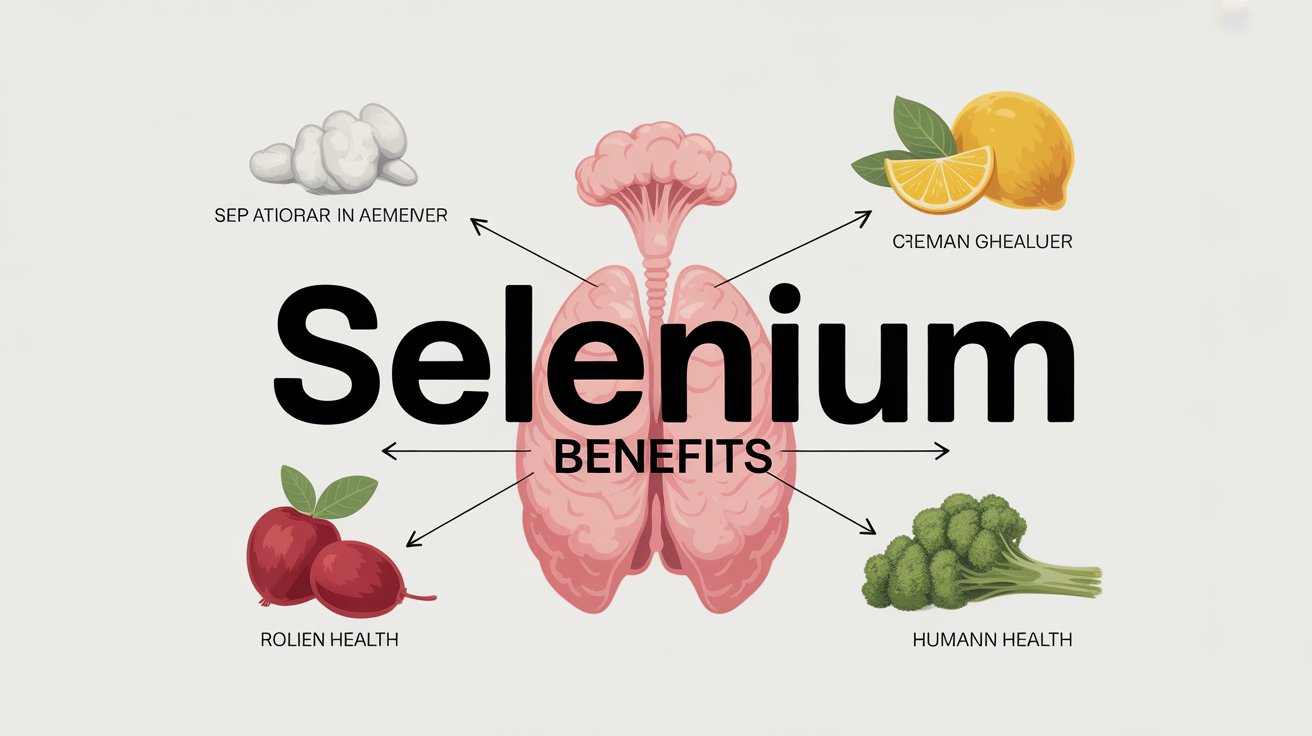
Have you ever wondered why such a tiny mineral like selenium gets so much attention in health and nutrition circles? It’s almost invisible, needed only in micrograms, yet it plays a massive role in how your body functions. From strengthening your immune system to regulating metabolism and supporting thyroid health, selenium works quietly behind the scenes—like a skilled stage manager making sure the entire show runs smoothly.
In today’s fast-paced world, where processed foods dominate and soil quality is declining, selenium deficiency has become more common than many people realize. That’s concerning because without enough selenium, your body struggles with oxidative stress, inflammation, and even hormone balance. On the flip side, too much selenium can also cause problems. So understanding selenium—its forms, benefits, and differences—is not just useful, it’s essential. Selenium Benefits play a crucial role in strengthening the immune system and protecting the body from infections.
In this article, we’ll break down selenium in a simple, conversational way. We’ll explore organic vs inorganic selenium, how each works, their benefits, safety, myths, and which one might be right for you. Think of this as your complete, no-confusion guide to selenium—from immunity to metabolism and beyond. One of the most powerful Selenium Benefits is its ability to reduce oxidative stress and fight free radicals.
What Is Organic Selenium?
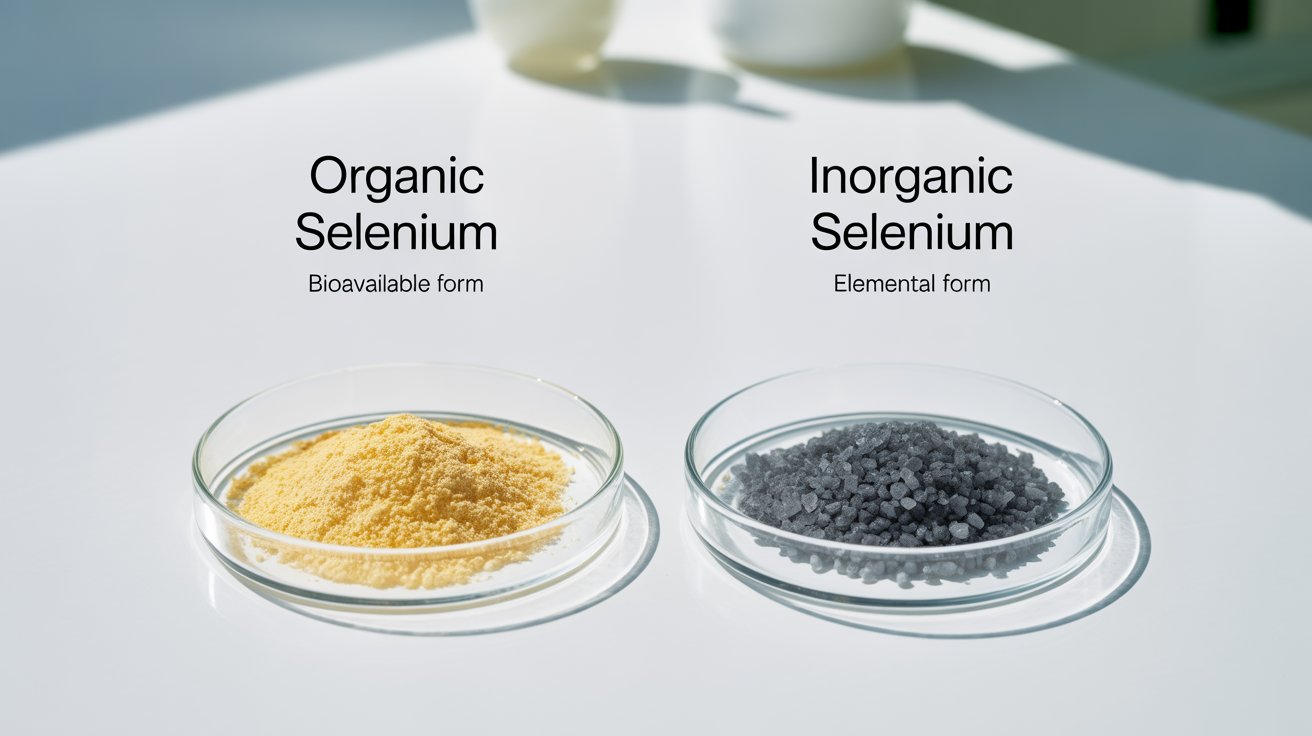
Organic selenium refers to selenium that is naturally bound to carbon-containing compounds, usually amino acids. The most common forms are selenomethionine and selenocysteine, which occur naturally in foods like Brazil nuts, eggs, fish, whole grains, and legumes.
Here’s the key idea: your body recognizes organic selenium almost the same way it recognizes amino acids from protein. That makes it easier to absorb, store, and use efficiently. It’s like giving your body a familiar tool instead of a foreign object—it just knows what to do with it. When it comes to thyroid health, Selenium Benefits are essential for proper hormone production and balance.
Organic selenium is often found in:
- Natural whole foods
- Yeast-based supplements
- Animal-based products like meat and seafood
Because it integrates smoothly into body proteins, organic selenium tends to stay in the body longer, offering sustained benefits rather than quick spikes and drops. Many people overlook Selenium Benefits, yet this trace mineral supports metabolism and energy levels.
How Organic Selenium Works in the Body – Part 1
Once organic selenium enters your body, it doesn’t just float around aimlessly. It gets incorporated into proteins and enzymes called selenoproteins. These are absolute powerhouses when it comes to health. Selenium Benefits include supporting heart health by reducing inflammation and improving blood circulation.
Some major roles include:
- Supporting antioxidant enzymes like glutathione peroxidase
- Protecting cells from oxidative damage
- Enhancing immune cell function
- Supporting thyroid hormone conversion (T4 to active T3)
Think of organic selenium as a bodyguard for your cells. Every day, your body is attacked by free radicals—from pollution, stress, poor diet, and even exercise. Selenium helps neutralize these threats before they damage DNA, proteins, or cell membranes. Among the key Selenium Benefits is improved immune response, especially during seasonal illnesses.
Absorption and Bioavailability of Organic Selenium – Part 2
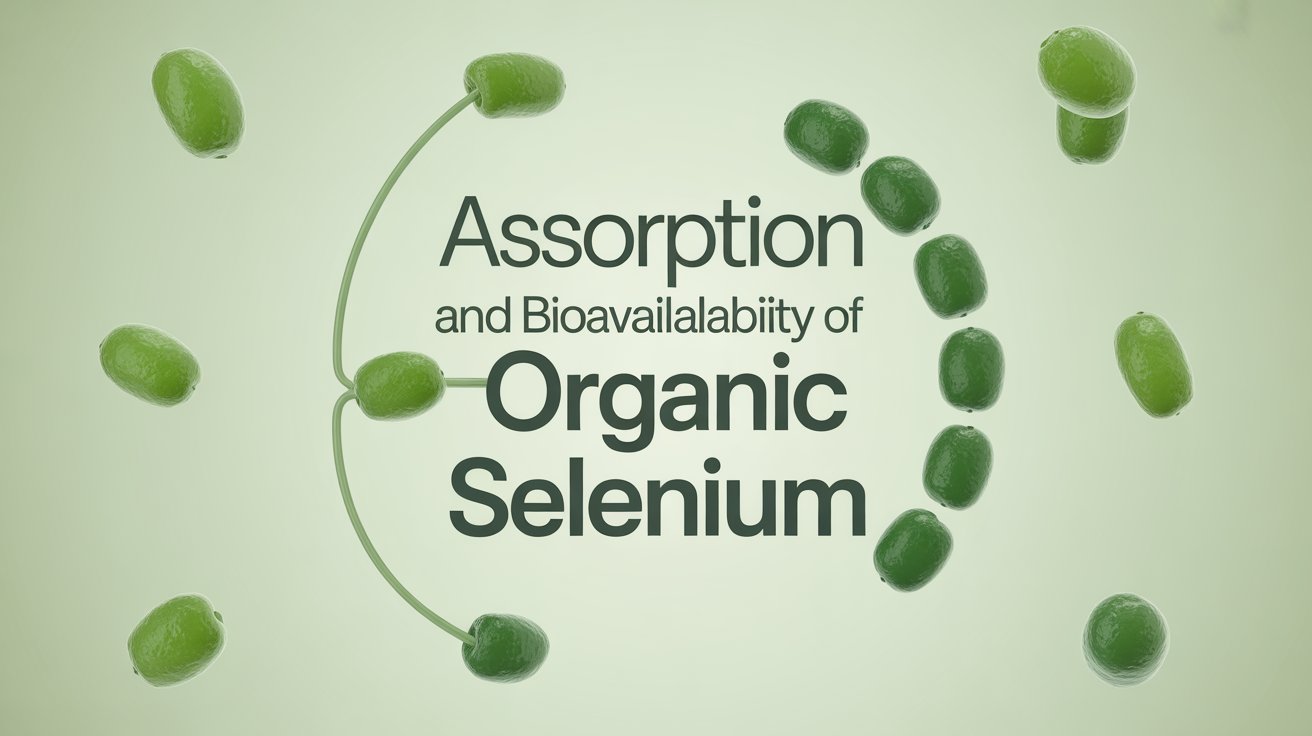
One of the biggest advantages of organic selenium is its high bioavailability. In simple terms, bioavailability means how much of a nutrient your body can actually absorb and use. Regular intake of selenium-rich foods enhances Selenium Benefits for long-term cellular protection.
Organic selenium:
- Is absorbed efficiently in the small intestine
- Can be stored in body tissues
- Mimics natural dietary selenium
Studies consistently show that selenomethionine, the most common organic form, has higher absorption rates compared to inorganic forms. It’s like drinking water versus trying to absorb moisture from the air—one is clearly more effective. Selenium Benefits also extend to brain health by supporting cognitive function and mental clarity.
This makes organic selenium especially useful for:
- Long-term supplementation
- People with digestive issues
- Individuals with selenium deficiency
What Is Inorganic Selenium?
Inorganic selenium refers to selenium that is not bound to carbon-based compounds. The most common forms are sodium selenite and sodium selenate. These are typically manufactured and used in supplements, fortified foods, and sometimes animal feed. One of the lesser-known Selenium Benefits is its role in improving male and female fertility.
Unlike organic selenium, inorganic forms are not naturally part of proteins. Your body has to convert them before they can be used, which makes the process less efficient.
Common sources of inorganic selenium include:
- Supplements
- Fortified foods
- Some pharmaceutical preparations
While inorganic selenium still has benefits, it behaves more like a short-term visitor than a long-term resident in your body. Selenium Benefits help protect cells from damage caused by environmental toxins and pollution.
How Inorganic Selenium Works in the Body – Part 1
When you consume inorganic selenium, your body must first convert it into a usable form. This process takes place mainly in the liver and involves several metabolic steps.
Inorganic selenium:
- Is rapidly absorbed
- Circulates freely in the bloodstream
- Is quickly excreted if not used
This can be both a good and bad thing. On the positive side, it acts fast. On the downside, it doesn’t stick around long enough to provide sustained benefits.
Imagine inorganic selenium like instant coffee—it works quickly, but the effect fades fast. Organic selenium, on the other hand, is like slow-brewed coffee with longer-lasting effects. Athletes can experience improved recovery and performance due to the antioxidant Selenium Benefits.
Absorption and Limitations of Inorganic Selenium – Part 2
While inorganic selenium is absorbed relatively well, it has notable limitations:
- Lower retention in body tissues
- Higher risk of toxicity at high doses
- Less efficient conversion into selenoproteins
Because it doesn’t bind to proteins easily, excess inorganic selenium is often flushed out through urine. This means you may need more frequent intake—but that also increases the risk of overconsumption. Selenium Benefits contribute to healthy skin and hair by reducing oxidative damage at the cellular level
This is why inorganic selenium is often used:
- In short-term clinical settings
- For correcting severe deficiencies under supervision
- In controlled doses
Key Differences Between Organic Selenium and Inorganic Selenium
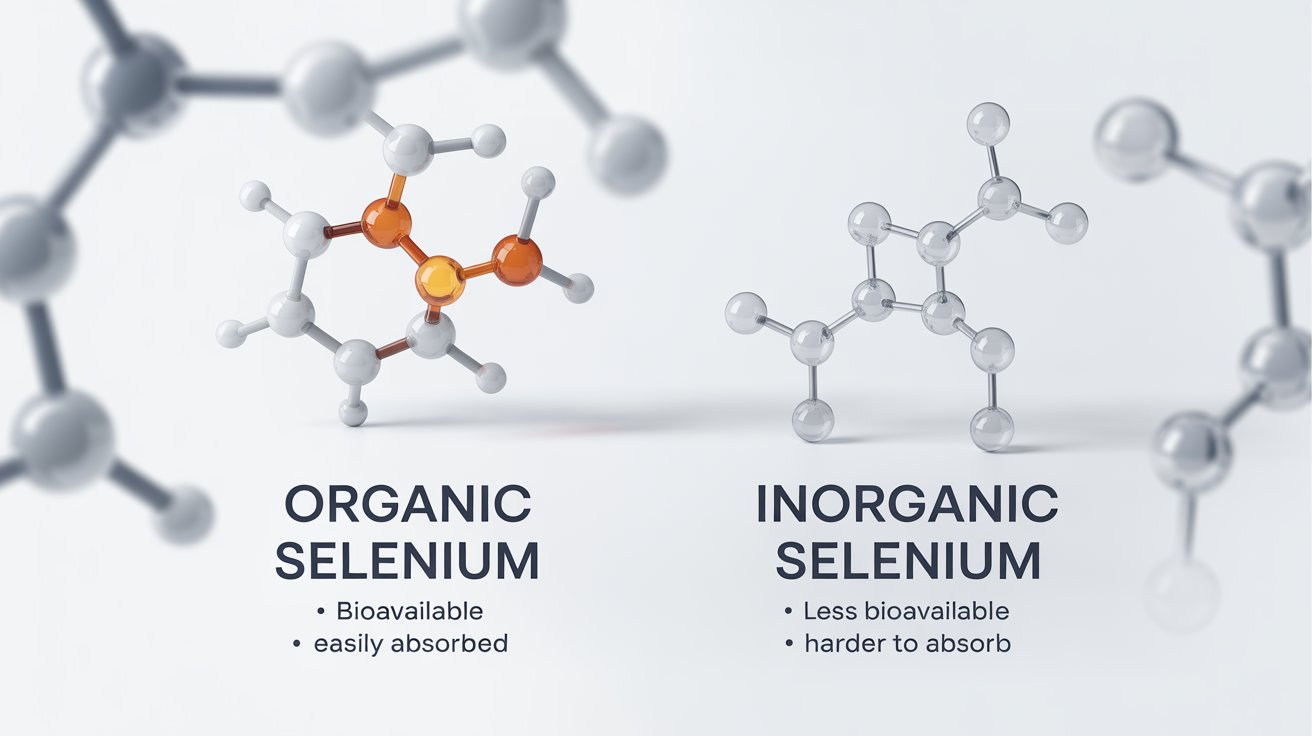
At first glance, selenium is selenium, right? Not exactly. The form makes a big difference in how it behaves in your body.
Here’s a quick breakdown:
- Organic selenium is naturally occurring and protein-bound
- Inorganic selenium is synthetic and unbound
- Organic forms are better retained
- Inorganic forms act faster but leave sooner
These differences affect everything—from effectiveness and safety to long-term health outcomes.
Source and Processing
Organic selenium comes from:
- Plants grown in selenium-rich soil
- Animals that consume those plants
- Natural biological processes
Inorganic selenium is:
- Chemically synthesized
- Processed in laboratories
- Added to supplements and fortified foods
The more processing involved, the further a nutrient moves away from how your body evolved to use it. That’s a key reason many people prefer organic forms.
Taste / Physical Differences
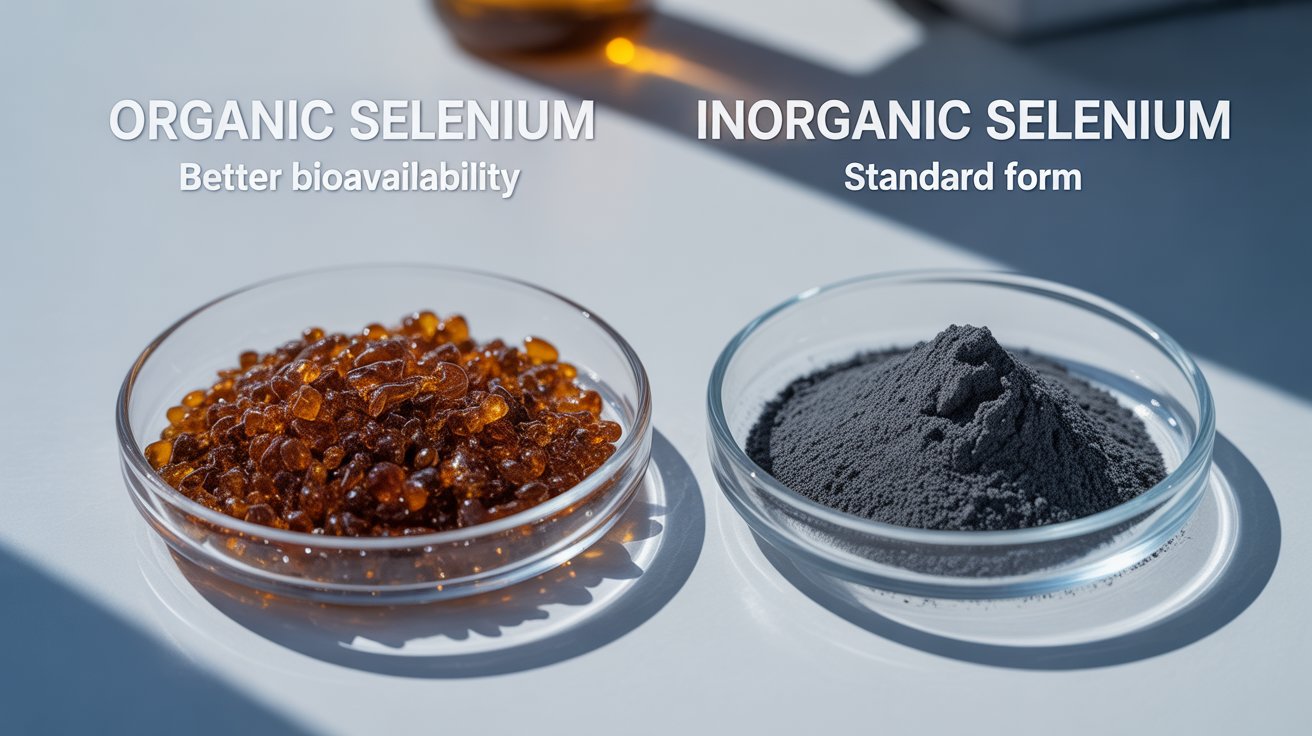
Selenium itself is tasteless in food amounts, but supplements can differ:
- Organic selenium supplements are usually gentler on the stomach
- Inorganic selenium may cause a metallic taste or mild nausea in some people
While taste isn’t a major factor, physical tolerance definitely is—especially for sensitive individuals.
Nutritional / Functional Differences
Nutritionally speaking:
- Organic selenium supports long-term enzyme function
- Inorganic selenium offers short-term antioxidant action
Functionally:
- Organic selenium integrates into metabolism
- Inorganic selenium functions more independently
It’s the difference between building a system versus applying a quick fix.
Benefits of Organic Selenium
Organic selenium offers a wide range of powerful benefits, including:
- Strong immune system support
- Improved thyroid hormone balance
- Reduced oxidative stress
- Better fertility and reproductive health
- Long-term cellular protection
Because it stays in the body longer, these benefits accumulate over time.
Benefits of Inorganic Selenium
Inorganic selenium also has its place, especially when used correctly:
- Rapid correction of deficiency
- Short-term antioxidant support
- Medical and clinical applications
It’s effective when speed matters, but not ideal for unsupervised long-term use.
Comparison Table Between Both Types
| Feature | Organic Selenium | Inorganic Selenium |
|---|---|---|
| Source | Natural | Synthetic |
| Absorption | High | Moderate |
| Retention | Long-term | Short-term |
| Toxicity Risk | Lower | Higher |
| Best For | Daily use | Short-term use |
Is Organic Selenium Safer or Better Than Inorganic Selenium?
For most people, organic selenium is both safer and more effective. Its natural integration into body systems reduces toxicity risk and improves efficiency.
Inorganic selenium can still be useful—but mainly under professional guidance.
Regulation & Safety Standards
Health authorities recommend:
- 55 mcg/day for adults
- Upper limit: 400 mcg/day
Exceeding this can cause symptoms like:
- Hair loss
- Brittle nails
- Digestive upset
Form, dose, and duration all matter.
Environmental Impact
Organic selenium sources rely on soil health and sustainable farming. Inorganic selenium production involves chemical processing, which can have a larger environmental footprint.
Choosing organic forms often supports more eco-friendly practices.
Lifestyle, Preferences, and Taste Differences
Your lifestyle matters:
- Whole-food lovers often prefer organic selenium
- Clinical settings may use inorganic forms
- Sensitive stomach? Organic is gentler
There’s no one-size-fits-all answer—context is everything.
Cost Comparison (Include a Table)
| Type | Average Cost | Value |
|---|---|---|
| Organic Selenium | Higher | Better long-term |
| Inorganic Selenium | Lower | Short-term only |
When Should You Choose Organic Selenium?
Choose organic selenium if you:
- Want daily immune support
- Care about long-term health
- Prefer natural nutrition
When Should You Choose Inorganic Selenium?
Choose inorganic selenium if you:
- Have a diagnosed deficiency
- Need fast correction
- Are under medical supervision
Myths and Misconceptions About Selenium
Common myths include:
- “More selenium is always better”
- “All selenium supplements are the same”
- “You can’t get selenium from food”
None of these are true.
For reliable, science-backed details on selenium benefits, including its role in immunity and metabolism, you can refer to the National Institutes of Health selenium fact sheet at https://ods.od.nih.gov/factsheets/Selenium-HealthProfessional/.
Expert Opinions & Scientific Insights
Experts agree that selenium is essential—but balance is critical. Research consistently favors organic forms for long-term use due to better safety and efficacy profiles.
Final Verdict
Organic selenium wins for most people. It’s safer, more natural, and better suited for everyday health. Inorganic selenium still has its role—but it’s more of a specialist tool than a daily supplement.
Conclusion
Selenium may be small, but its impact is huge. From immunity and metabolism to thyroid and antioxidant defense, it touches nearly every system in your body. Understanding the difference between organic and inorganic selenium empowers you to make smarter, safer health choices.
Choose wisely, balance your intake, and let this powerful mineral work in your favor—not against you.
For more on overall wellness, explore Copper Benefits.
FAQs
- What is the best form of selenium for daily use?
Organic selenium, especially selenomethionine, is best for daily use. - Can selenium improve immunity naturally?
Yes, selenium plays a key role in immune cell function and antioxidant defense. - Is too much selenium dangerous?
Yes, excessive intake can cause toxicity. - Which foods are richest in selenium?
Brazil nuts, seafood, eggs, and whole grains. - Should athletes or people with thyroid issues take selenium supplements?
Often yes—but dosage and form should be chosen carefully.