
Table of Contents
Introduction: Understanding Copper’s Role in Human Health
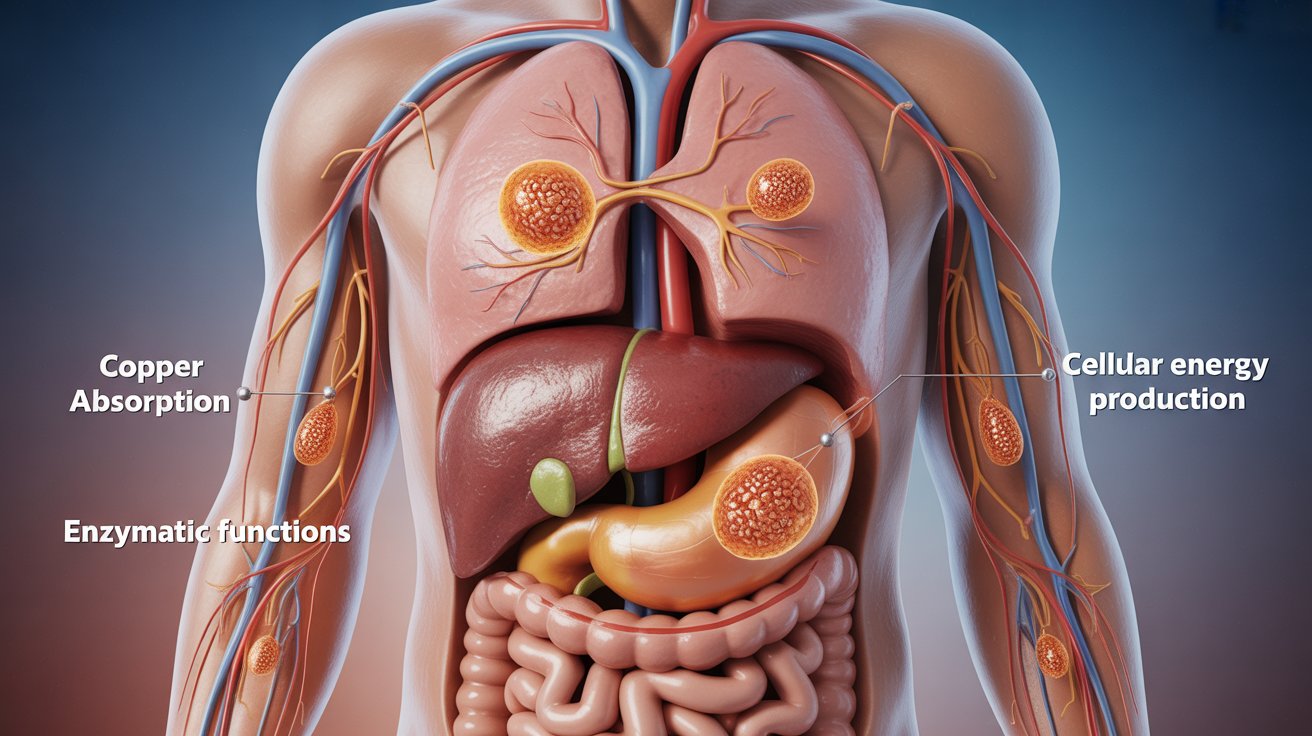
Have you ever felt like your energy is dipping, your skin is looking dull, or your immunity just isn’t what it used to be—even though your lifestyle hasn’t changed? Many people spend months trying to diagnose fatigue, weak immunity, or premature aging, not realizing that the culprit might be something surprisingly small: copper. Copper health benefits reach far beyond basic nutrition—this essential mineral supports everything from glowing skin to a resilient immune system.
Copper isn’t flashy like vitamin C, or trendy like magnesium. It’s quiet, subtle, and easy to overlook. Yet it’s one of the most influential minerals in your entire body. From the glow of your skin to the elasticity of your tissues… from how much energy you produce to how efficiently your immune system fights infections… copper plays a role in almost everything that keeps you healthy and vibrant.
This essential mineral is so deeply woven into your biology that without it, your cells quite literally cannot breathe, cannot produce energy, and cannot repair themselves properly. But—just like any powerful nutrient—balance is key. Too little can cause widespread deficiency symptoms, and too much can create toxicity. What matters most is maintaining that sweet spot.
In this article, we’ll explore copper from the ground up. You’ll learn:
- What copper really is
- Why your body relies on it for survival
- How copper deficiency silently steals your vitality
- The massive benefits of restoring copper balance
- When food sources are enough—and when supplements matter
- How copper compares to the state of copper deficiency
- Scientific insights, myths, and real-world recommendations
By the end, you’ll understand copper like never before. And more importantly, you’ll understand how to use it to transform your health naturally—starting today.
What Is Copper?
Copper is an essential trace mineral, meaning your body needs it—but only in small amounts. Yet despite needing so little, its impact is enormous. Copper is involved in more than 50 biological processes, from energy production to brain chemistry, connective tissue formation, antioxidant activity, and immune defense.
Think of copper as nature’s biological multitool.
You don’t produce copper naturally. Every drop of it must come from food or supplements. Once inside your body, copper binds to enzymes and helps them function correctly. These copper-dependent enzymes regulate processes such as:
- Cellular energy (ATP) production
- Antioxidant activity
- Collagen and elastin formation
- Blood vessel health
- Melanin production
- Iron metabolism
- Nervous system function
Even though you only need about 900 mcg per day, the consequences of not meeting that requirement can be dramatic.
Copper is found in:
- Shellfish
- Seeds
- Nuts
- Dark chocolate
- Legumes
- Leafy greens
- Whole grains
Unlike some minerals that mainly affect one part of your body, copper affects almost everything. When copper levels dip, multiple systems start struggling at once. When they rise back to normal, your body rebounds with surprising speed.
How Copper Functions in the Human Body – Part 1
Copper acts as a cofactor—basically, a helper molecule—for many enzymes. These enzymes perform essential tasks that keep your body running smoothly.
1. Copper Health Benefits: Helps Build Strong, Youthful Skin
If you want glowing, firm, elastic skin, copper should be on your radar. Copper activates an enzyme called lysyl oxidase, which helps form and strengthen collagen and elastin. These are the proteins responsible for:
- Skin firmness
- Elasticity
- Resistance to wrinkles
- Wound healing
- Scar tissue formation
Without copper, collagen can’t form properly. That’s why copper-infused skincare and copper peptides have become incredibly popular. But topical use is nothing compared to getting copper internally.
2. Copper Health Benefits: Supports Oxygen & Energy Production
Copper is essential for electron transport in mitochondria—the tiny powerhouses that supply your cells with ATP (energy). Without copper, your cells cannot efficiently convert food into energy.
Low copper = low ATP
Low ATP = fatigue, weakness, and poor stamina
This is one reason copper deficiency feels so draining.
3. Copper Health Benefits: Supports Healthy Blood & Iron Metabolism
Copper works closely with iron. In fact, you can take all the iron supplements in the world, but without copper, your body can’t properly use iron. Copper helps:
- Convert iron to its usable form
- Transport iron
- Build healthy red blood cells
Copper deficiency often masquerades as iron deficiency anemia.
How Copper Functions in the Human Body – Part 2
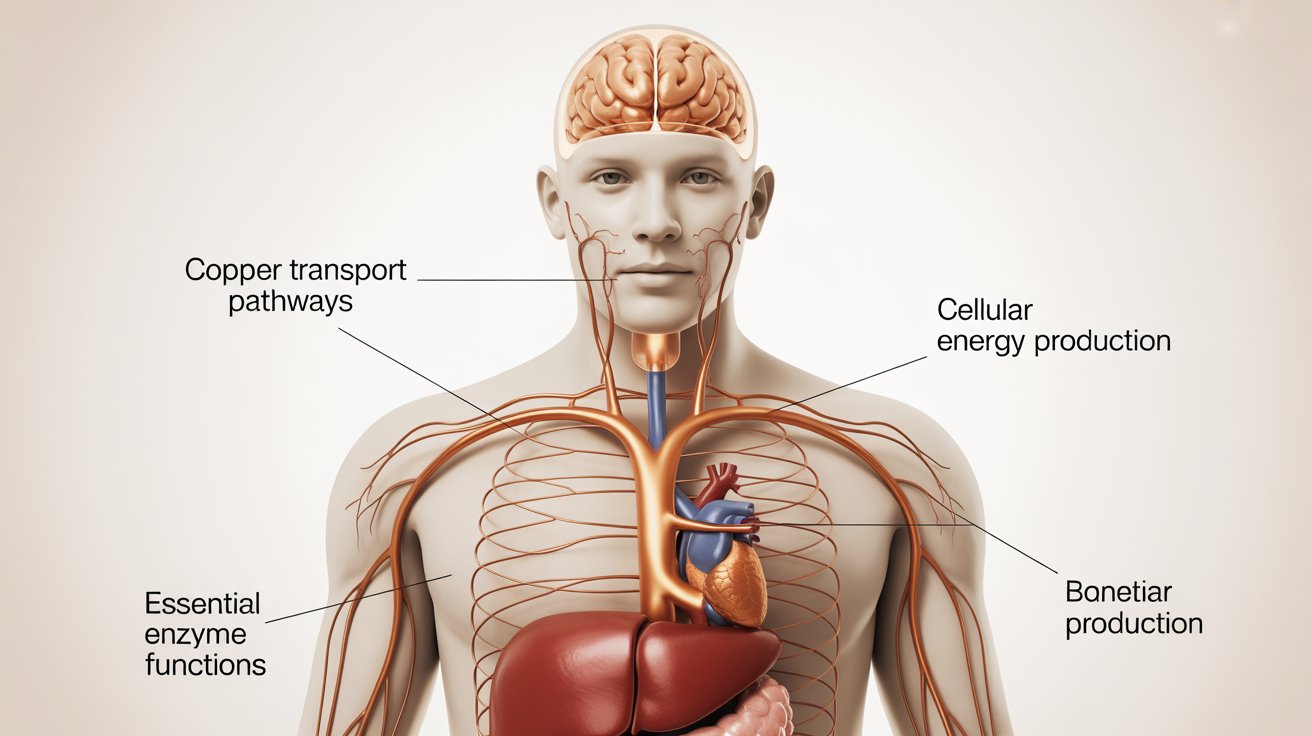
Copper’s ability to boost energy and build collagen is impressive—but it doesn’t stop there.
4. Copper Health Benefits: Strengthens Immunity
Your immune system relies heavily on copper. Copper helps:
- Build white blood cells
- Produce antibodies
- Regulate immune inflammation
- Fight bacteria, viruses, and pathogens
- Support the thymus gland
- Maintain immune balance
When copper is low, the immune system becomes weak and sluggish.
5. Copper Health Benefits: Supports Brain & Nervous System Health
Your brain uses copper to produce neurotransmitters responsible for:
- Mood
- Memory
- Focus
- Stress response
- Mental clarity
Copper also protects neurons from oxidative damage. Low copper can contribute to:
- Brain fog
- Poor memory
- Mood swings
- Neurodegenerative risk
6. Copper Health Benefits: Builds Strong Bones & Connective Tissues
Copper helps maintain:
- Bone mineral density
- Cartilage
- Tendons
- Ligaments
- Blood vessel walls
Low copper is linked with weak bones, joint issues, and slow repair.
7. Copper Health Benefits: Protects You From Aging
Copper is a key part of superoxide dismutase (SOD)—one of your body’s strongest natural antioxidants.
More copper = more antioxidant defense = slower aging
What Is Copper Deficiency?

Copper deficiency happens when your body doesn’t have enough copper to perform its essential functions. It usually develops slowly, over months or years.
Copper deficiency affects multiple systems at once—energy, skin, immunity, nerves, and blood health.
Common Causes of Copper Deficiency
- Low copper diet
- High zinc intake
- Poor absorption
- Excessive iron supplementation
- Certain medications
- Bariatric or gut surgeries
- Genetic disorders
Even mild deficiency causes noticeable symptoms.
Part 1: Recognizing the Signs and Symptoms of Copper Health Benefits Deficiency
Copper deficiency shows up in many surprising ways.
1. Fatigue & Low Energy
Copper deficiency interferes with ATP production, leading to:
- Constant tiredness
- Weakness
- Sluggish metabolism
2. Weak Immunity
Low copper reduces immune function. You may:
- Catch colds frequently
- Heal slowly
- Experience chronic inflammation
3. Pale, Dull, or Dry Skin
Low copper affects pigmentation and collagen. Skin may become:
- Pale
- Lifeless
- Easily wrinkled
- Slow to heal
4. Hair Problems
Copper deficiency affects melanin and keratin, leading to:
- Brittle hair
- Dryness
- Thinning
- Premature greying
Signs & Symptoms of Copper Deficiency – Part 2
5. Neurological Symptoms
Copper deficiency affects the myelin sheaths around nerves. Symptoms include:
- Numbness
- Tingling
- Trouble walking
- Balance problems
- Brain fog
- Memory issues
6. Anemia-like Symptoms
Since copper helps iron work properly, deficiency can mimic anemia:
- Pale skin
- Shortness of breath
- Dizziness
- Rapid heartbeat
- Weakness
7. Bone & Connective Tissue Problems
Low copper weakens structural tissues. This may cause:
- Joint pain
- Bone fragility
- Slow healing
- Frequent injuries
8. Cardiovascular Symptoms
Copper deficiency may impair blood vessel elasticity, leading to:
- High blood pressure
- Heart rhythm issues
- Poor circulation
Key Differences Between Copper and Copper Deficiency
- Copper is a nutrient.
Copper deficiency is a disorder. - Copper enhances vitality.
Copper deficiency destroys vitality. - Copper builds collagen, supports immunity, boosts energy, and protects your brain.
Deficiency weakens immunity, accelerates aging, drains energy, and harms nerves.
Source and Processing
Understanding where copper comes from helps ensure healthy levels.
1. Natural Food Sources of Copper Health Benefits
Rich copper sources include:
- Oysters
- Sesame seeds
- Pumpkin seeds
- Almonds
- Cashews
- Dark chocolate
- Lentils
- Mushrooms
- Spinach
- Avocados
- Whole grains
- Organ meats
2. Supplemental Sources of Copper Health Benefits
Forms include:
- Copper bisglycinate
- Copper gluconate
- Copper sulfate
- Copper citrate
Copper glycinate is often most bioavailable.
3. Processing Factors Affecting Copper Health Benefits
Copper levels can vary based on:
- Soil
- Water
- Cooking method
- Farming practices
Taste / Physical Differences
Copper itself tastes metallic, but foods that contain it often taste:
- Nutty (pumpkin seeds)
- Bitter-sweet (dark chocolate)
- Mineral-rich (shellfish)
- Earthy (leafy greens)
Copper supplements may leave a metallic aftertaste.
Copper deficiency doesn’t have a taste—but shows up physically as:
- Dull skin
- Brittle hair
- Fatigue
- Slow healing
Nutritional / Functional Differences
Copper and copper deficiency might seem like opposite ends of the same spectrum, but their nutritional impact couldn’t be more different. When you consume enough copper, your body thrives. When you don’t, it struggles to perform even the most basic functions.
1. Copper as a Functional Nutrient
Copper acts as a building block for important enzymes and proteins. It contributes to:
- Energy metabolism – without copper, ATP production slows dramatically
- Iron absorption and utilization – preventing anemia
- Antioxidant protection – fighting oxidative stress
- Collagen formation – strengthening skin, tissues, and bones
- Nervous system development – supporting myelin and neurotransmitters
- Immune cell formation – keeping your defense system strong
This makes copper one of the most multi-functional nutrients in human physiology.
2. Copper Deficiency and Impaired Function
When copper intake falls short, biological systems begin to malfunction. Copper deficiency disrupts:
- Iron transport
- Energy generation
- Hormone balance
- Melanin production
- Bone mineralization
- Immune activation
This is why copper deficiency feels like a total-body breakdown rather than a single symptom.
3. The Functional Gap Between Both
The gap between having enough copper and being deficient is huge. Even mild copper deficiency can cause:
- Fatigue
- Skin changes
- Mood swings
- Weak immunity
But optimal copper levels create:
- Radiant skin
- Strong bones
- Stable mood
- High energy
- Robust immunity
Copper is a mineral where “just enough” truly makes all the difference.
Benefits of Copper
Copper isn’t just “good” for you—it’s essential. And its benefits go far beyond surface-level improvements.
1. Enhances Skin Health and Beauty
Copper helps your skin look youthful by supporting:
- Collagen and elastin formation
- Wound healing
- Skin firmness
- Reduced wrinkles and sagging
- Improved pigmentation
- Faster skin-cell turnover
Copper peptides are widely used in anti-aging products for this very reason.
2. Boosts Energy by Supporting Mitochondria
Copper is required for cytochrome c oxidase, a key enzyme in mitochondrial energy production. High-quality energy depends on good copper status.
No copper = weak ATP = chronic fatigue
Good copper = strong ATP = steady, vibrant energy
3. Strengthens Immunity
Copper helps the immune system:
- Build white blood cells
- Destroy pathogens
- Produce antibodies
- Regulate inflammation
- Keep the thymus functioning
Low copper is linked with frequent infections and poor recovery.
4. Improves Iron Metabolism and Prevents Anemia
Copper works with ceruloplasmin to:
- Convert iron into usable form
- Help iron transport
- Support red blood cell formation
Copper deficiency can mirror iron deficiency anemia—but adding iron won’t fix it unless copper is corrected.
5. Protects Brain and Nerve Function
Copper maintains:
- Neurotransmitter balance
- Myelin sheaths
- Cognitive function
- Mood stability
Deficiency causes neurological issues—including numbness, poor memory, and difficulty walking.
6. Supports Strong Bones and Connective Tissues
Copper strengthens:
- Bones
- Cartilage
- Ligaments
- Tendons
- Blood vessels
This makes copper vital for aging adults and athletes.
7. Acts as a Powerful Antioxidant
Copper supports SOD, one of your body’s strongest natural antioxidants. This reduces:
- Inflammation
- Premature aging
- Tissue damage
- Oxidative stress
Copper doesn’t just maintain health—it actively preserves it.
Benefits of Addressing Copper Deficiency
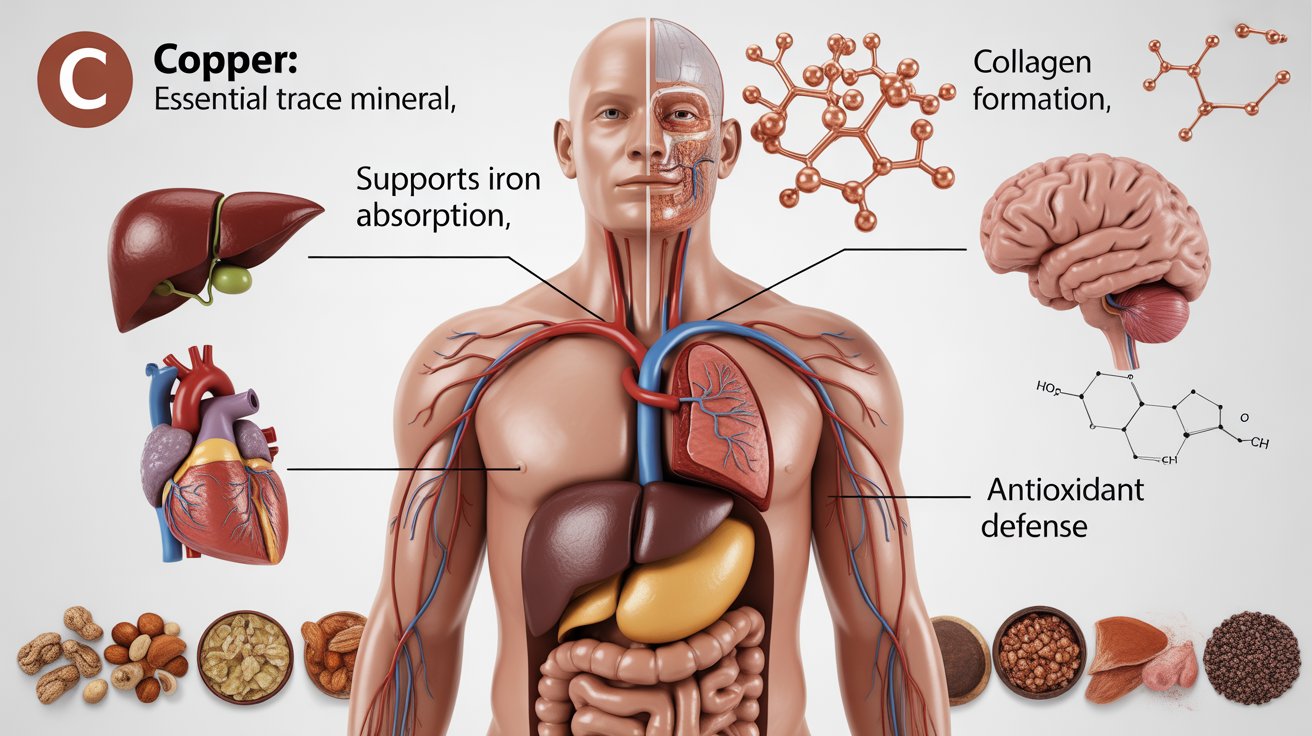
Correcting copper deficiency produces dramatic improvements. Many people don’t know how deeply copper affects their health until they restore it.
1. Increased Energy and Reduced Fatigue
As copper replenishes:
- Mitochondria produce more ATP
- Brain fog lifts
- Daily energy improves
- Exercise stamina increases
Many people feel the difference in just weeks.
2. Stronger Immunity
Correcting deficiency leads to:
- Fewer colds
- Faster healing
- Better resistance to infections
- Improved recovery from illness
3. Rapid Improvements in Skin and Hair
People often notice:
- Brighter skin
- Reduced wrinkles
- Improved elasticity
- Faster wound healing
- Darker, healthier hair
Copper-dependent enzymes work quickly when levels are restored.
4. Better Mood and Mental Clarity
Copper helps regulate mood-related neurotransmitters. Deficiency correction may improve:
- Stress response
- Mental clarity
- Memory
- Focus
- Overall cognitive function
5. Healthier Bones and Joints
Because copper drives collagen and elastin formation, levels of:
- Joint pain
- Bone fragility
- Tissue stiffness
often improve after restoring copper.
6. Better Circulation and Cardiovascular Health
Copper deficiency is associated with weakened blood vessels and heart issues. Correcting it helps:
- Normalize blood pressure
- Improve circulation
- Strengthen vascular tissue
7. Balanced Iron Levels
Correcting copper deficiency often fixes chronic low iron that never responds to supplements.
Comparison Table Between Both Types
Below is an easy-to-understand comparison between optimal copper levels and copper deficiency.
| Feature | Optimal Copper | Copper Deficiency |
|---|---|---|
| Energy Levels | High, stable, consistent | Fatigue, weakness, low stamina |
| Skin Health | Smooth, firm, glowing | Pale, dry, dull, wrinkled |
| Immunity | Strong defense | Frequent infections |
| Iron Levels | Balanced, efficient | Anemia-like symptoms |
| Brain Function | Clear, focused, stable mood | Brain fog, poor memory |
| Hair Health | Thick, shiny, normal pigmentation | Brittle, greying early |
| Bone & Joint Health | Strong, healthy connective tissue | Fragile bones, joint pain |
| Circulation | Strong blood vessel integrity | Poor circulation, heart symptoms |
This table clearly shows the stark difference between proper copper intake and deficiency.
Is Copper Safer or Better Than Copper Deficiency?
Copper itself is absolutely safe—when consumed in the right amounts. Your body needs copper daily, and deficiency is far more dangerous than having slightly elevated levels.
Copper Is Better Because:
- It supports all major systems
- Deficiency leads to life-altering symptoms
- It protects from aging and oxidative stress
- It supports immunity and energy
But Balance Is Important
Too much copper can cause toxicity. Too little copper creates deficiency.
The goal is not more copper—the goal is proper copper balance.
If you’re using supplements, it’s important to:
- Avoid mega-doses
- Avoid taking excess zinc
- Avoid unnecessary iron supplements
- Monitor your levels if needed
As long as copper is taken wisely, it is absolutely safe and highly beneficial.
Regulation & Safety Standards for Copper Health Benefits
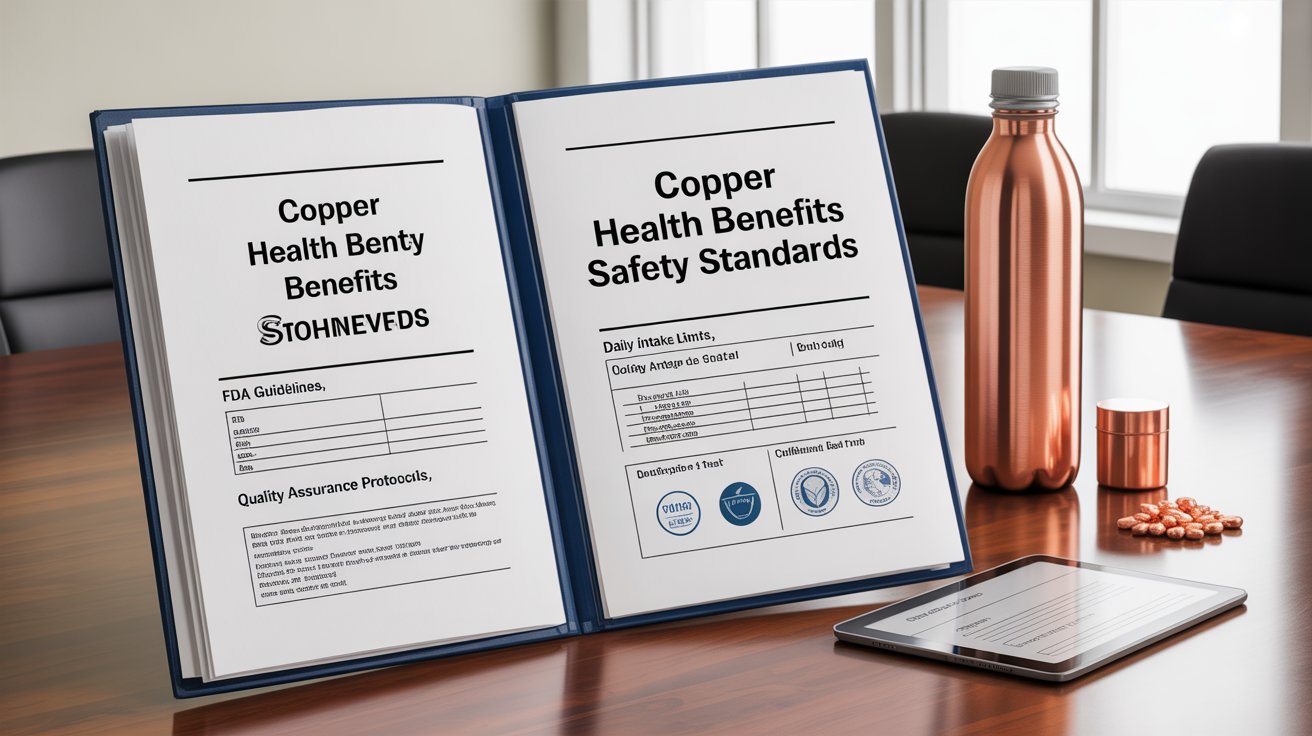
Copper is regulated by several health authorities globally. These guidelines ensure that copper intake stays within safe and healthy limits.
1. Recommended Dietary Intake for Copper Health Benefits
Getting the recommended dietary intake is essential to maximize copper health benefits and support energy, immunity, and overall wellness. Most countries recommend:
- 900 mcg per day (adults)
- 1,000–1,300 mcg per day (pregnant or breastfeeding women)
2. Upper Limits for Safe Copper Health Benefits
Maintaining copper intake below the upper limits ensures you gain copper health benefits without risking toxicity. The tolerable upper limit for adults is:
- 10 mg per day
This is nearly impossible to reach through food alone.
3. Supplement Regulations for Copper Health Benefits
Supplements must comply with:
- Maximum concentration limits
- Safety testing
- Label accuracy
- Manufacturing standards
4. Food Safety and Copper Health Benefits
Consuming copper through whole foods provides natural regulation, making it a safe and effective way to achieve copper health benefits. Food-based copper is naturally regulated by your body, making it the safest form.
5. Water Safety and Copper Health Benefits
Monitoring water sources ensures that copper intake remains safe while still providing important copper health benefits for your body. In rare cases, copper can leach into water from old pipes. Municipal standards help prevent toxicity.
Overall, copper is very safe within recommended levels.
Environmental Impact

Copper’s environmental impact varies depending on:
- Mining practices
- Agricultural soil quality
- Water sources
- Food production methods
1. Soil Health
Healthy, mineral-rich soil naturally supports crops with balanced copper. Over-farming and chemical fertilizers can deplete soil copper over time.
2. Water and Ecosystems
Copper plays a role in aquatic health, but excessive industrial runoff can harm marine ecosystems. Sustainable mining reduces this risk.
3. Food Supply and Sustainability
Whole, minimally processed foods naturally contain copper. These foods are also environmentally friendly and require fewer resources to produce.
4. Supplements
Copper supplements require minimal environmental input. When produced sustainably, their impact is low.
Lifestyle, Preferences, and Taste Differences in Copper Health Benefits
Deciding whether to get your copper from whole foods or supplements often depends on your lifestyle, habits, and overall health goals.
If you love cooking, experimenting with flavors, and maintaining a balanced diet, getting copper naturally from foods may feel effortless. Ingredients like dark chocolate, nuts, seeds, and leafy greens add richness and texture to your meals while nourishing your body. And honestly—enjoying a piece of dark chocolate knowing it supports your immunity feels pretty great.
If you’re constantly on the go, supplements may be more appealing. They offer convenience, consistency, and a precise dose—no meal planning required. They’re also helpful for people with digestive issues or absorption challenges who may not extract enough copper from food.
Ultimately, neither option is “better.” It’s about what fits your lifestyle and feels sustainable for your health journey.
Cost Comparison
Budget matters in wellness—so which option is more cost-effective?
| Type | Average Cost | What You Get | Long-Term Value |
|---|---|---|---|
| Copper-rich foods | $5–$15 per week | Nutrients, fiber, antioxidants, flavor | High overall value |
| Copper supplements | $10–$25 per bottle (1–3 months) | Precise dose | Affordable but limited nutrients |
Food sources deliver a full spectrum of nutrients—vitamins, minerals, and antioxidants—that supplements alone can’t match. Supplements may appear cheaper upfront, but whole foods provide more comprehensive nourishment.
Still, both options can fit easily into most budgets. A handful of nuts or a single capsule costs less than a daily coffee.
When to Choose Food-Based Copper Health Benefits
Food sources are ideal when you want a natural, well-rounded, slow-and-steady approach to wellness. Choose whole foods if:
- You want to improve your overall diet
- You prefer natural sources of nutrients
- You enjoy colorful, varied meals
- You want added antioxidants and fiber
- You don’t have a diagnosed deficiency
- You’re seeking long-term, consistent health benefits
Food-based copper supports gut health, skin vitality, energy levels, and internal balance—gradually and holistically.
When to Choose Copper Supplements for Maximum Health Benefits
Supplements become essential when food alone isn’t enough. They’re the better choice if:
- A blood test confirms deficiency
- Your doctor recommends supplementation
- You have absorption issues (e.g., gut disorders, bariatric surgery)
- You follow restrictive diets
- You struggle to meet mineral needs on a plant-based diet
- You experience fatigue, weak immunity, slow wound healing, or low iron
Supplements provide accuracy and reliability—especially for those with medical needs.
Copper health benefits are well-documented and play a crucial role in overall wellness, according to the National Institutes of Health.
Common Myths About Copper Health Benefits
Copper is often misunderstood. Here’s the truth:
Myth 1: “Copper is dangerous.”
Toxicity is extremely rare and usually linked to excessive supplements or contaminated water—not food.
Myth 2: “A normal diet prevents deficiency.”
Not necessarily. Poor absorption, restrictive eating, and mineral imbalances can all cause deficiency.
Myth 3: “Supplements replace copper-rich foods.”
They don’t offer fiber, antioxidants, or the full nutrient profile that whole foods provide.
Myth 4: “More copper = better health.”
Excess copper can be harmful. Balance is key.
Myth 5: “Copper only helps with energy.”
It supports collagen, pigmentation, fertility, brain function, immunity, and cardiovascular health.
Understanding these myths helps you make smarter long-term decisions.
Expert Insights on Copper Health Benefits
Experts in nutrition, dermatology, and functional medicine agree on one thing: copper is essential—but must be kept in balance.
- Nutritionists emphasize its role in metabolism, energy, and iron absorption.
- Dermatologists value copper peptides for anti-aging, wound healing, and collagen production.
- Immunologists highlight its importance in antibody formation, tissue repair, and fighting infections.
Scientifically, copper functions like a “spark plug” for hundreds of reactions in the body—impacting everything from skin health to nerve function.
Final Verdict
Copper may not be as talked about as iron or vitamin D, but its impact is powerful. Whether you choose foods or supplements, ensuring you get enough supports nearly every system in your body.
- Food sources: best for natural, long-term nourishment
- Supplements: best for targeted, medically guided support
The right choice is the one that fits your lifestyle, preferences, and health needs.
Optimize your copper intake—your body will feel the difference.
Conclusion
Copper is one of the most underrated minerals, yet it influences your skin, immunity, energy, collagen, and overall vitality. Maintaining healthy levels—through diet or supplements—can transform your health naturally and sustainably.
Balance is everything.
For more on overall wellness, explore Iron Benefits.
FAQs
1. How do I know if I’m deficient?
Common signs include fatigue, poor immunity, pale skin, brittle hair, delayed wound healing, and low iron levels.
2. Can I get enough copper from food alone?
Yes—most people can meet their needs through nuts, seeds, whole grains, beans, dark chocolate, and leafy greens.
3. Are copper supplements safe?
Yes, when taken in recommended doses under medical guidance.
4. Does copper really improve skin health?
Absolutely. It boosts collagen, speeds healing, and improves firmness.
5. Can too much copper be harmful?
Yes. Over-supplementation can cause toxicity—so always follow safe dosage guidelines.