
Table of Contents
Introduction: Understanding Low Iron Symptoms and Its Impact on Your Body
Have you ever wondered why you feel tired even after sleeping, or why climbing a single flight of stairs feels like running a marathon? Many people blame stress, busy routines, or age — but one silent culprit often gets overlooked: low iron. It’s surprising how a tiny mineral can determine whether you feel energetic and alive… or sluggish and drained.
Iron is like the spark plug in your body’s engine. Without it, the body can’t produce enough oxygen-carrying red blood cells. Imagine trying to run your home with low voltage — everything works, but slowly, poorly, and inefficiently. Your body responds the same way.
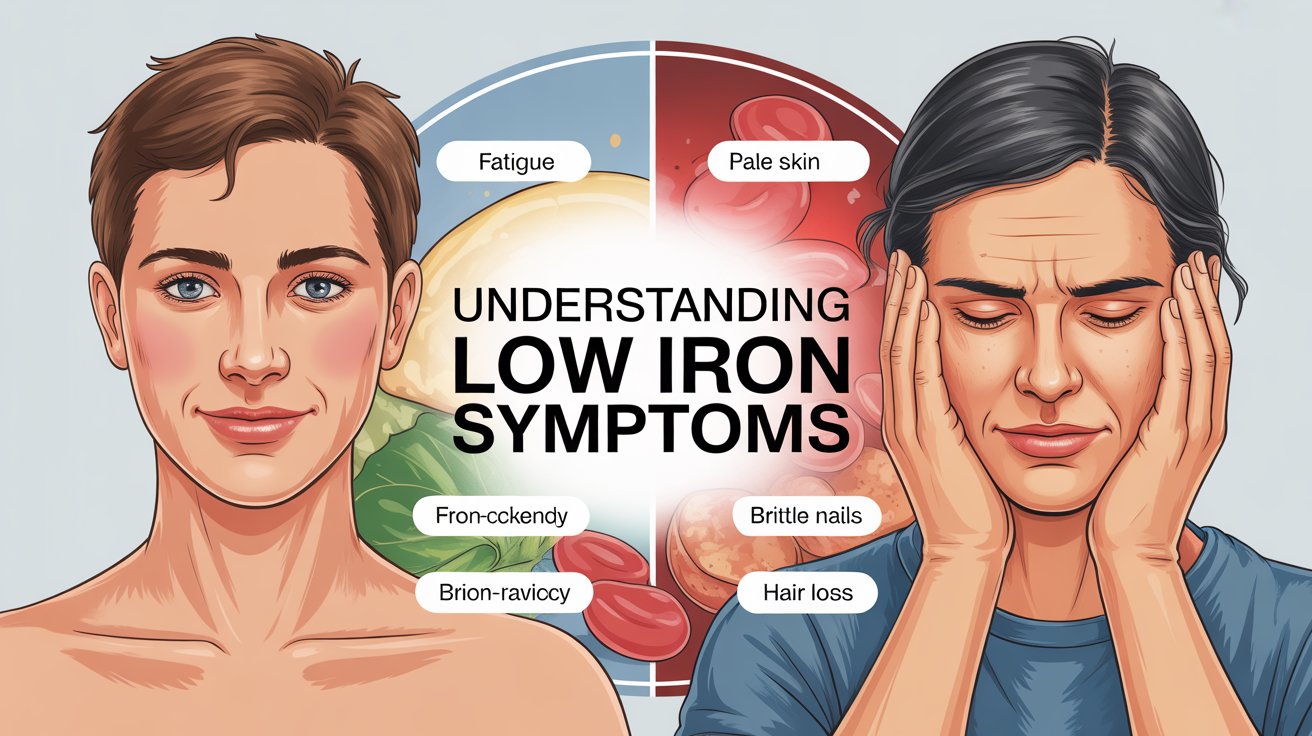
The tricky part? Low iron doesn’t always scream for attention. Sometimes the signs are subtle — cold hands, brittle nails, hair thinning, brain fog, mood swings, or headaches. Other times, it hits harder: dizziness, rapid heartbeat, extreme fatigue, or shortness of breath. Millions of people walk around with these symptoms every day without realizing their iron tank is nearly empty.
In this article, we’ll dive deep into what low iron really is, how it affects your daily life, what healthy iron levels look like, and most importantly — the benefits of boosting your iron levels naturally or through supplementation. You’ll also discover comparisons, scientific insights, myths, expert recommendations, costs, lifestyle considerations, and more.
Whether you’ve been diagnosed with low iron or you simply suspect it might be slowing you down, this guide will help you understand your body better — so you can take charge of your health, energy, and vitality again.
Many people are unaware of low iron symptoms until fatigue, pale skin, or dizziness start affecting their daily life. Let’s get started.
What Is Low Iron (Iron Deficiency) & Low Iron Symptoms?
Iron deficiency — often called low iron — happens when your body doesn’t have enough iron to function properly. And while that sounds simple, its impact on your health is anything but. Iron is the raw material your body uses to produce hemoglobin, the protein inside red blood cells that carries oxygen. Without adequate iron, the entire oxygen-transport system slows down.
Think of your bloodstream as a delivery network. When iron levels fall, delivery trucks (red blood cells) become fewer and weaker, carrying smaller packages of oxygen. That means your cells are constantly under-supplied. And if cells aren’t getting enough oxygen, they can’t perform their jobs well — whether those jobs involve thinking, moving, digesting food, repairing tissues, or regulating temperature.
Low iron can exist in multiple stages. In the beginning, the body quietly uses up its stored iron. You may not feel anything at this point. Eventually, when the stores become empty, hemoglobin levels start dropping — this is when fatigue, weakness, and other symptoms show up. Left untreated, low iron can progress into iron deficiency anemia, a more severe and draining condition.
Low iron is especially common in women, teenagers, athletes, vegetarians, pregnant individuals, people with digestive issues, and those recovering from illness or surgery. But truthfully, anyone can experience it. Busy lifestyles, poor dietary patterns, and increased nutritional demands make iron deficiency a global issue affecting over two billion people.
Understanding low iron is the first step in fixing it — because once you identify the signs, boosting your iron levels is not only possible but incredibly rewarding for your energy, mood, immunity, and overall well-being.
Early recognition of low iron symptoms can prevent serious health issues like anemia and chronic fatigue.
Causes of Low Iron – Part 1 (Common Low Iron Symptoms Triggers)
Low iron doesn’t happen randomly — it develops because something is draining your body’s iron supply faster than you can replenish it. One of the most common causes is inadequate dietary intake. Despite iron being present in meats, legumes, nuts, leafy greens, and fortified foods, many people simply aren’t consuming enough. Busy schedules, restrictive diets, and food preferences can slowly chip away at your iron stores.
Another major factor is poor iron absorption. Even if you’re eating iron-rich foods, your digestive system might not absorb the mineral efficiently. Conditions like celiac disease, inflammatory bowel disease, chronic gastritis, H. pylori infection, or low stomach acid can interfere with the absorption process. It’s like putting high-quality fuel into a car with a clogged fuel line — the system isn’t functioning well enough to use it effectively.
Women also face a unique challenge. Monthly menstrual blood loss is one of the leading causes of iron deficiency in reproductive-age women. If the body loses more iron than it can replace each cycle, the result is gradually declining iron levels. This is especially common in women with heavier-than-normal periods, hormonal imbalances, or underlying reproductive conditions.
Pregnancy further increases the demand for iron, as the mother must supply enough oxygen not only for herself but also for the growing fetus. Without extra dietary or supplemental iron, deficiency can quickly develop. Diet plays a crucial role in managing low iron symptoms, especially by including iron-rich foods such as spinach, beans, and lean meats.
These causes highlight why iron deficiency is so widespread — and why increasing iron intake or improving absorption can make a dramatic difference in how you feel.
Causes of Low Iron – Part 2 (Hidden Low Iron Symptoms Causes)
Beyond diet and biological factors, several lifestyle, medical, and environmental issues can contribute to low iron as well.
One common cause is chronic or unnoticed blood loss. This can occur through ulcers, hemorrhoids, GI bleeding, polyps, or long-term use of medications like NSAIDs that irritate the digestive tract. Even small amounts of bleeding over time can drain iron stores.
Another factor is increased physical activity. Athletes, especially endurance runners, often experience something called “foot-strike hemolysis”, where red blood cells break down due to repeated impact. Sweat also contains trace minerals, including iron — meaning heavy training can literally sweat your iron out.
Vegetarians and vegans may also have higher risk. While plant-based diets offer many health advantages, they rely on non-heme iron, which is less efficiently absorbed. This doesn’t make vegetarian diets unhealthy — it simply means iron must be intentionally included and paired with absorption-enhancing foods like vitamin C.
Frequent blood donors and individuals recovering from surgeries or injuries are also at risk because their bodies require additional iron during recovery.
Understanding these causes helps in crafting a personalized plan to restore iron levels — whether that includes dietary changes, supplements, medical treatment, or lifestyle adjustments. Once the root cause is identified, the path toward better energy and vitality becomes much clearer.
Pregnant women are particularly vulnerable, making awareness of low iron symptoms essential for both mother and baby.
What Are Healthy Iron Levels vs. Low Iron Symptoms?
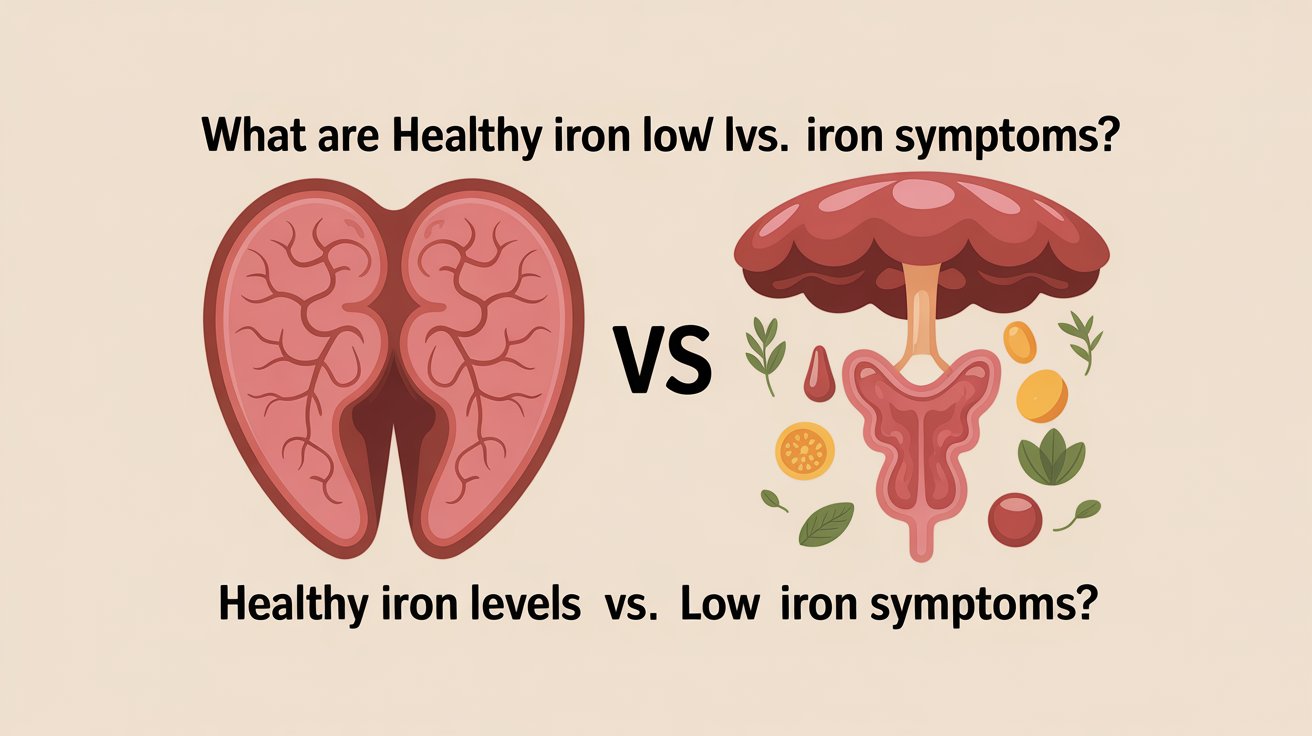
Healthy iron levels refer to the amount of iron your body needs to function smoothly and maintain strong red blood cell production. When iron levels are optimal, your body has enough hemoglobin to transport oxygen efficiently, your muscles perform better, your brain stays sharp, and your immune system functions at full strength. You feel energized, alert, and emotionally stable — the complete opposite of iron deficiency.
Healthy iron levels aren’t a fixed number for everyone. They vary depending on age, gender, and health status. For example, women generally need more iron than men due to menstrual cycles, while pregnant people require even higher amounts to support fetal growth. Typically, doctors evaluate iron status through tests like serum ferritin, hemoglobin, transferrin saturation, and total iron-binding capacity.
Maintaining healthy iron levels isn’t just about avoiding fatigue — it’s about keeping your entire body running efficiently. When your iron is in the ideal range, every cell, organ, and system operates with better endurance, clarity, and balance. Optimal iron is the foundation of optimal energy. Some low iron symptoms may be subtle, like brittle nails, hair thinning, or cold hands and feet.
Functions of Healthy Iron Levels – Part 1 (Opposite of Low Iron Symptoms)
Iron plays many roles in the body, and its importance goes far beyond simply “preventing anemia.” One of the most crucial functions is oxygen transport. Hemoglobin contains iron, and its job is to carry oxygen from your lungs to every part of your body. Without enough iron, this system slows down, and low energy becomes unavoidable.
Iron is also critical for muscle function. Your muscles store a small portion of iron in the form of myoglobin, which helps deliver oxygen during movement. Whether you’re walking, lifting, or doing daily tasks, healthy iron ensures your muscles don’t fatigue quickly.
Another essential role of iron is in energy production. It helps your cells generate ATP — the molecule your body uses for fuel. When iron levels are optimal, your metabolism functions efficiently, your body recovers faster, and physical stamina improves. Regular blood tests are the most reliable way to confirm low iron symptoms and evaluate iron levels accurately.
Overall, healthy iron levels support endurance, vitality, and physical performance, making daily activities feel lighter and more manageable.
Functions of Healthy Iron Levels – Part 2 (How They Prevent Low Iron Symptoms)
Beyond physical energy, iron also supports brain health and cognitive function. Your brain consumes a large portion of the body’s oxygen, and iron ensures it gets enough to stay focused, coordinated, and sharp. Low iron is linked with brain fog, poor memory, irritability, and difficulty concentrating — highlighting how vital this mineral is for mental performance.
Iron also plays a major role in immune strength. It helps immune cells grow and behave properly. When iron is low, your body becomes more prone to infections, slower healing, and weakened defenses. Maintaining healthy levels keeps your immune system resilient and responsive.
Another important function is temperature regulation. People with low iron often feel cold even when others are comfortable. Proper iron levels help stabilize your body temperature.
Additionally, iron contributes to hormone production, particularly thyroid hormones. A healthy thyroid keeps your metabolism steady, supports mood, and regulates energy levels.
All these functions show why iron is not just “another nutrient.” It’s a powerful mineral that influences nearly every system of your body — from your thoughts to your muscles to your immunity. Ignoring low iron symptoms can lead to long-term consequences, including decreased immunity and reduced physical performance.
Key Differences Between Low Iron Symptoms and Healthy Iron Levels
The differences between low iron and healthy iron levels can feel like night and day. When iron is low, your body is constantly struggling to deliver oxygen, which means fatigue builds faster, thinking becomes slower, and even simple tasks can feel exhausting. Healthy iron levels, on the other hand, support smooth oxygen flow, strong red blood cell production, and consistent energy throughout the day.
One major difference is how your muscles and brain perform. Low iron leads to weaker muscles, shortness of breath, and sluggish physical performance. Mentally, it causes brain fog, difficulty focusing, and irritability. In contrast, healthy iron keeps your mind alert and your body active.
Another key difference is in immune function. Low iron weakens your defense system, making infections more frequent. Healthy iron strengthens your body’s ability to fight illness.
Finally, low iron disrupts skin, hair, and nail health. Brittle nails, pale skin, and hair thinning are common symptoms. Healthy iron, however, supports natural glow, strong nails, and healthy hair growth.
Source and Processing
Iron comes from two primary dietary sources: heme iron (from animal foods) and non-heme iron (from plant foods). Heme iron is found in meats like beef, chicken, and fish, and it’s much more easily absorbed by the body. Non-heme iron, found in beans, lentils, nuts, seeds, whole grains, and leafy greens, requires additional steps for absorption and is more affected by other foods eaten alongside it.
Processing also affects iron availability. Foods that are heavily processed or refined often lose a significant portion of their natural minerals. That’s why some cereals and breads are fortified — manufacturers add iron back into them.
Cooking methods also play a role. Using cast iron pans can actually increase iron content in food, especially acidic dishes like tomato sauce. However, overcooking vegetables can reduce their nutrient levels, including iron.
Understanding your iron sources and how they’re processed helps you make better choices — whether you’re relying on natural foods or needing supplements to support your levels.
Taste / Physical Differences
The “taste” of iron sources varies depending on whether it’s heme or non-heme. Heme iron, found in meats, has a stronger, richer flavor and a natural dark red color due to its hemoglobin content. This type of iron also contributes to the metallic taste in rare or medium-rare meat.
Non-heme iron from plants has no metallic taste but often comes from foods with earthy, nutty, or leafy flavors. Spinach, legumes, nuts, and seeds provide iron without the strong mineral taste associated with animal-based iron.
In supplements, iron’s physical characteristics can vary widely. Ferrous sulfate may have a metallic aftertaste, while newer forms like ferrous bisglycinate are gentler, less metallic, and easier on the stomach.
Overall, the taste differences matter for people sensitive to certain flavors. If the taste or texture of iron-rich foods becomes a barrier, supplements or alternative sources can help fill the gap.
Nutritional / Functional Differences
Nutritionally, the most significant difference between iron sources is absorption rate. Heme iron is absorbed at a rate of 15–35%, while non-heme iron may absorb at only 2–20%, depending on what else you eat with it. Vitamin C boosts non-heme absorption, while calcium, coffee, tea, and phytates reduce it.
Functionally, iron supports red blood cell production, muscle health, brain function, and immune strength. But deficiency affects these areas differently depending on how severe it is. Mild deficiency may cause tiredness, while severe deficiency leads to anemia, rapid heartbeat, dizziness, and even fainting.
Supplements work faster than food to correct deficiency, but foods provide additional nutrients such as vitamin A, zinc, copper, folate, and antioxidants that support iron metabolism.
Understanding these differences helps you tailor your approach — whether you need quick correction (supplements) or long-term maintenance (foods).
Benefits of Low Iron Correction (Improving Low Iron Symptoms)
Correcting low iron levels can feel like flipping a switch in your body — suddenly, everything starts working the way it should. One of the biggest benefits is renewed energy. When your body finally has enough iron to carry oxygen efficiently, fatigue decreases, stamina increases, and everyday tasks become noticeably easier.
Another major benefit is improved brain function. Many people report clearer thinking, better concentration, and fewer memory lapses once their iron levels rise. It’s almost like wiping fog off a window — things become sharper and easier to process.
Iron correction also supports better immune strength. Frequent colds, infections, or slow healing often improve once the body has enough iron to fuel immune cells. Healthy iron levels also promote better mood stability, reducing irritability, anxiety, and restlessness.
Physically, correcting low iron helps restore strong nails, healthier skin, and reduced hair thinning. Many people notice faster hair growth and a more refreshed complexion.
For physically active individuals, improved iron levels enhance exercise performance, reduce breathlessness, and help muscles recover faster.
Overall, boosting iron when you’re deficient restores your body’s natural rhythm, helping you feel like yourself again.
Benefits of Maintaining Healthy Iron Levels & Preventing Low Iron Symptoms
Once your iron levels reach a healthy range, maintaining them offers long-term benefits for overall wellness. One key advantage is stable and consistent energy — not the highs and lows that come with deficiency. This means you wake up feeling refreshed, stay active throughout the day, and avoid that mid-afternoon crash.
Healthy iron levels also support sharp mental clarity. Focus, productivity, and emotional balance become easier to maintain. Whether you’re working, studying, or multitasking, your brain performs more efficiently when oxygen supply is steady.
A strong immune system is another major benefit. When iron levels are optimal, your body can defend itself more effectively against infections and inflammation.
Healthy iron also supports optimal metabolic and hormonal health, including thyroid regulation, which influences weight, digestion, and overall balance.
Physically, maintaining healthy iron contributes to a glowing complexion, smooth oxygen flow, and strong hair and nails. Athletes notice increased endurance, better strength, and faster recovery.
In short, maintaining healthy iron levels doesn’t just prevent sickness — it enhances your everyday vitality, resilience, and quality of life.
Comparison Table Between Both Types
Here’s a simple comparison table to show the difference between low iron and healthy iron levels:
| Feature | Low Iron | Healthy Iron Levels |
|---|---|---|
| Energy Levels | Low, fatigue, exhaustion | Stable, high, consistent |
| Oxygen Transport | Poor | Efficient |
| Brain Function | Foggy, forgetful, unfocused | Clear, sharp, focused |
| Mood | Irritable, anxious | Balanced, stable |
| Immune System | Weakened, frequent illness | Strong, resilient |
| Physical Endurance | Poor stamina, quick fatigue | Strong performance |
| Appearance | Hair thinning, pale skin, brittle nails | Healthy hair, glowing skin, strong nails |
| Recovery | Slow | Faster and smoother |
| Heart Rate | Often increased | Normal and steady |
This table highlights how dramatically iron status influences your daily life.
Is Low Iron Correction Safer or Better Than Staying Low?
Correcting low iron is almost always safer and healthier than staying in a deficient state. When iron levels remain low for too long, the body struggles to deliver oxygen, putting pressure on the heart, muscles, brain, and immune system. Over time, untreated deficiency can lead to anemia, chronic fatigue, heart strain, and reduced cognitive function.
Improving iron levels — whether through diet or supplements — is generally safe as long as it’s done with proper guidance. Supplements work quickly but must be used correctly to avoid stomach discomfort or excessive intake. Diet-based correction is gentler but slower.
Staying in a low-iron state is never beneficial. It drains energy, weakens immunity, disrupts hormones, and diminishes quality of life. Correcting low iron helps restore strength, mood, and overall well-being far more effectively than trying to “manage” symptoms.
Unless you have a medical condition requiring intentionally lower iron (very rare), boosting iron to a healthy range is always the better choice.
Regulation & Safety Standards
Iron intake and supplementation are monitored carefully because both deficiency and excess can cause health issues. Health authorities such as the World Health Organization (WHO), FDA, and European Food Safety Authority (EFSA) set clear guidelines on daily iron requirements, supplement dosages, and safe upper limits. These standards help ensure people get enough iron without risking overload.
Supplements undergo strict manufacturing regulations to ensure purity, accurate dosing, and safety. Many countries require iron supplements to meet pharmaceutical-grade standards before they reach consumers. This protects users from contamination, inconsistent potency, or harmful additives.
Medical professionals also follow established protocols for diagnosing and treating iron deficiency. Blood tests like hemoglobin and ferritin must confirm low iron before high-dose supplementation is recommended. This prevents unnecessary supplementation in people with normal or elevated iron levels.
Overall, safety standards exist to ensure iron correction is effective, predictable, and safe — protecting both consumers and healthcare providers from the risks of improper usage.
Environmental Impact
The source of your iron — whether from food or supplements — carries its own environmental footprint. Animal-based heme iron sources, such as beef and lamb, generally have a higher environmental impact due to land use, water consumption, and carbon emissions associated with livestock farming. While they are highly absorbable, they also come with a larger carbon footprint.
On the other hand, plant-based non-heme iron sources, including lentils, beans, nuts, seeds, and leafy greens, are typically more environmentally friendly. They require fewer resources and produce lower greenhouse gas emissions. Even though plant-based iron absorbs less efficiently, it remains a sustainable long-term choice.
Iron supplements have a relatively low environmental impact. Manufacturing and packaging contribute some waste, but the overall footprint is small compared to meat production. Additionally, supplements do not require ongoing land or water use.
Understanding environmental impact allows individuals to make mindful choices — balancing personal health needs with ecological responsibility.
Lifestyle, Preferences, and Taste Differences
Different lifestyles influence how people choose to boost their iron levels. For example, athletes often prefer quick, efficient iron sources (including supplements) to maintain endurance and recovery. Vegetarians and vegans rely more heavily on plant-based iron and may need vitamin C–rich foods to boost absorption.
Taste preferences also play a role. Some people enjoy iron-rich meats like beef or liver, while others dislike the metallic taste or prefer lighter foods. Plant-based options offer milder, earthier flavors that suit people who enjoy vegetarian meals.
Lifestyle factors such as busy schedules may also influence choices. Someone with limited time may opt for simple iron supplements, while those who enjoy cooking may incorporate iron-rich recipes into their routine.
Ultimately, there’s no one-size-fits-all solution — your taste, routine, diet style, and health needs determine the best approach for maintaining iron balance.
Cost Comparison
The cost of boosting iron levels varies depending on the method you choose. Here’s a simple comparison:
| Iron Source | Average Cost | Frequency | Notes |
|---|---|---|---|
| Iron Supplements | $8–$25 per bottle | Monthly | Fastest correction method |
| Beef (iron-rich cuts) | $8–$15 per pound | Weekly | High heme iron, but relatively costly |
| Lentils / Beans | $1–$3 per pound | Weekly | Affordable plant-based iron |
| Leafy Greens (Spinach, Kale) | $2–$4 per bunch | Weekly | Low-cost but less concentrated |
| Fortified Cereals | $3–$7 per box | Weekly | Convenient for daily intake |
Supplements remain the cheapest per milligram of iron, while beef is more expensive but offers high bioavailability. Plant-based sources are cost-effective for long-term maintenance, especially when combined with vitamin C.
When Should You Choose Iron Supplementation?
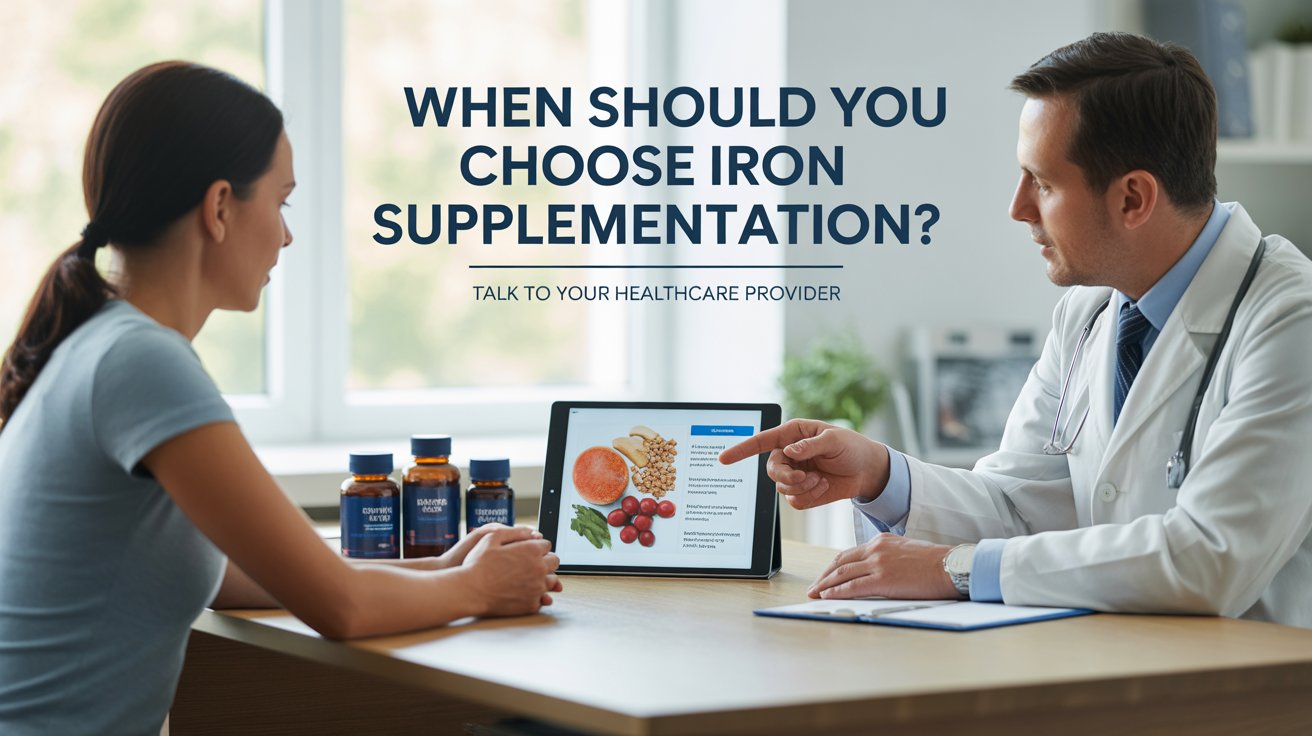
Iron supplements are ideal when you need fast results or when dietary changes alone aren’t enough. You should consider supplementation if:
- You’ve been diagnosed with iron deficiency or anemia
- You experience symptoms like extreme fatigue, dizziness, or hair thinning
- Your doctor recommends it after blood tests
- You’re pregnant or postpartum
- You’re an athlete with high endurance demands
- You have digestive issues that limit iron absorption
- You follow a plant-based diet and struggle to meet daily iron needs
Supplements provide a controlled, predictable dosage, helping restore levels efficiently. However, they work best when paired with lifestyle adjustments, regular monitoring, and proper guidance.
When Should You Choose Dietary Iron Sources?
Dietary iron sources are ideal for people aiming to maintain healthy levels or prevent deficiency over the long term. You should focus on food-based iron if:
- Your iron levels are normal but you want to stay balanced
- You prefer natural sources
- You enjoy cooking and variety in meals
- You are sensitive to supplement side effects
- You want multiple nutrients along with iron (e.g., protein, vitamins, antioxidants)
Animal-based sources like beef, chicken, seafood, and liver provide highly absorbable heme iron. Plant-based sources like spinach, lentils, tofu, pumpkin seeds, and quinoa offer additional fiber, minerals, and antioxidants that support overall health.
Using dietary iron for maintenance while relying on supplements for correction is often the best long-term strategy.
Myths and Misconceptions About Low Iron Symptoms
Iron deficiency is surrounded by a surprising number of myths that often confuse people or delay proper treatment. One common misconception is that “only women get low iron.” While women do have a higher risk due to menstruation and pregnancy, men and children can also experience deficiency — especially if their diet lacks iron or they have absorption issues.
Another myth is that “fatigue alone means you have low iron.” Fatigue can come from many sources: stress, lack of sleep, poor diet, thyroid issues, or dehydration. While low iron causes tiredness, it must be confirmed with a blood test, not guesswork.
People also believe that eating spinach alone can fix iron deficiency, but this is misleading. Spinach contains non-heme iron, which is harder to absorb. Without vitamin C or proper combinations, your body may absorb only a small fraction.
A dangerous misconception is “more iron is always better.” Excess iron can be toxic and damage organs. You should never supplement without knowing your levels.
Understanding these myths helps you take the right steps and avoid mistakes that could slow down your recovery.
Expert Opinions & Scientific Insights on Low Iron Symptoms
Experts and researchers emphasize that iron deficiency is one of the most widespread nutritional problems globally — especially among women, athletes, and people with restrictive diets. According to medical professionals, even mild deficiency can impair brain function, energy, and immunity long before anemia develops.
Hematologists often highlight the importance of ferritin — the body’s iron storage marker — as a more accurate indicator of iron status than hemoglobin alone. Many people test “normal” on hemoglobin but still have low ferritin, leading to subtle symptoms like fatigue, cold hands, or hair thinning.
Scientific studies also show that correcting iron deficiency improves cognitive performance, focus, physical endurance, and emotional well-being. Research on athletes consistently reveals that increasing ferritin levels helps boost stamina, VO₂ max, and overall performance.
Experts agree on one thing: Proper diagnosis and individualized treatment are key. Whether through dietary changes, supplements, or lifestyle adjustments, maintaining healthy iron levels provides measurable benefits supported by strong scientific evidence.
According to the World Health Organization, iron deficiency remains one of the most common nutritional disorders worldwide.
Final Verdict: Why Addressing Low Iron Symptoms Matters
Low iron is more than just a nutritional imbalance — it’s a full-body energy drain that affects your mood, muscles, brain, immunity, and overall quality of life. Fortunately, correcting low iron and maintaining healthy levels can completely transform how you feel and function.
Boosting your iron levels doesn’t have to be complicated. With the right foods, supplementation when needed, and regular monitoring, you can rebuild your strength, sharpen your mind, and restore your natural energy. The key is taking action early rather than letting symptoms drag on.
Healthy iron levels are not just “nice to have” — they’re essential for a healthy, vibrant, fully energized life.
Conclusion
Iron plays a central role in keeping your body energized, balanced, and functioning at its best. When levels drop, the effects show up quickly — fatigue, weakness, brain fog, poor immunity, and physical struggles. But when you restore iron to a healthy range, the difference can feel remarkable.
By understanding what iron does, recognizing the symptoms of low levels, and knowing the best sources and strategies for improvement, you can take control of your health. Whether you choose dietary changes, supplements, or a combination of both, the goal is simple: keep your iron where your body thrives.
A healthier, more energized version of you is absolutely possible — and rebalancing your iron levels is the first step.
For more on overall wellness, explore Sulphur Benefits.
FAQs About Low Iron Symptoms
1. How do I know if I have low iron?
Common symptoms include fatigue, pale skin, hair thinning, dizziness, and cold hands or feet. A blood test for ferritin and hemoglobin is the only accurate way to confirm.
2. Can I fix low iron with food alone?
Mild deficiency can often be improved with iron-rich foods, but moderate or severe deficiency usually requires supplements for faster correction.
3. How long does it take to raise iron levels?
Most people notice improvements in 2–6 weeks, but restoring full iron stores can take 3–6 months depending on the severity.
4. Can too much iron be harmful?
Yes. Excess iron can be toxic and damage organs, so supplement only when needed and under guidance.
5. What foods help iron absorption?
Vitamin C–rich foods like oranges, bell peppers, lemons, kiwi, and strawberries greatly improve non-heme iron absorption.